
British Prime Minister Keir Starmer announced his resignation on Monday, less than two years after leading the Labour Party to a significant election victory. Starmer promised an “orderly transition” to a new prime minister by September amid growing dissatisfaction with the economy and immigration policies.
Attention now turns to Andy Burnham, who is viewed as Starmer’s likely successor. While a leadership contest within the Labour Party is possible, senior members seem eager to support Burnham, building momentum around him.
Previously the Mayor of Manchester, Burnham resigned to win a by-election in Makerfield, Greater Manchester, securing a position in the House of Commons. His victory is notable as Makerfield, a working-class, predominantly white British constituency, has been challenging for Labour due to shifting voter allegiances.
Communities like Makerfield, traditionally Labour heartlands, have increasingly leaned towards right-wing parties like Reform UK, fueled by concerns over immigration and living standards. However, Burnham’s success offers hope for reconnecting with traditional Labour voters ahead of the next national elections.
Burnham’s Political Journey
Burnham has built his profile by positioning himself as an alternative to Starmer, often critiquing leadership decisions. Burnham’s differences with Starmer as a national leader are unclear, though one Conservative lawmaker described him as “Keir Starmer with a Northern accent.” His approach to relationships, such as with President Trump, remains uncertain.
Known as a champion of Northern England, Burnham gained acclaim during the COVID-19 pandemic by opposing limited financial support from the Conservative government. His supporters argue his “everyman” persona resonates with post-industrial communities, contrasting with Starmer’s technocratic style.
Critics highlight Burnham’s ambiguous stance on key issues. For example, his recent opinion on immigration and Brexit shifted when speculation about his leadership prospects increased. Despite previously supporting a rejoining of the EU, Burnham distanced himself from this position.
The Path to Prime Minister
In Britain, the prime minister is not directly elected. The leader of the party with a majority in the House of Commons becomes prime minister. A party can change its leader, and thus the prime minister, if deemed a liability without triggering a general election.
Burnham’s supporters believe his connection to Labour’s northern heartlands and public profile could lead the party to further electoral success. The next national election must occur by 2027 but can be called sooner. Risks include losing the parliamentary majority and the premiership.
Wes Streeting, considered an underdog and potential challenger, quickly endorsed Burnham, boosting his chances. Burnham’s supporters envision him as a viable leader capable of steering Labour and the country toward future victories.
 Trump’s Influence in Latin America: Political Wins and Strategic Moves
 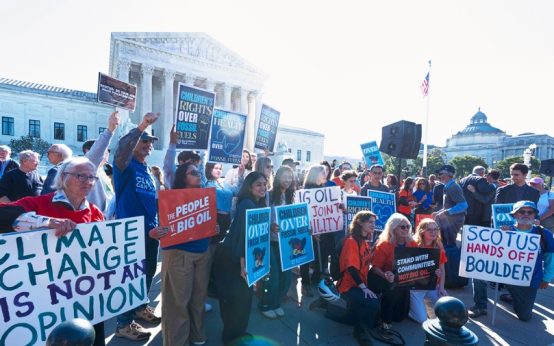 Debates, Executive Orders, and Supreme Court Climate Case
 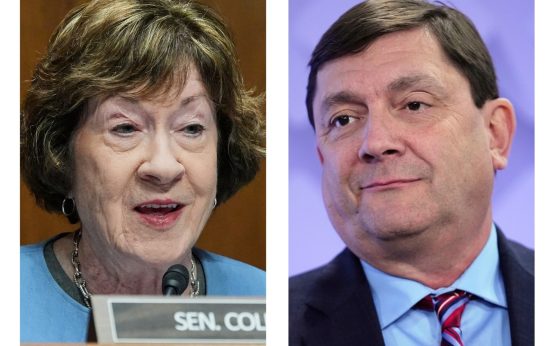 Collins and Jackson in Tight Race for Maine Senate
  Understanding White Nationalism Among Young White Men in the U.S.
  Flávio Bolsonaro’s Strategic Decision in U.S. Visit
 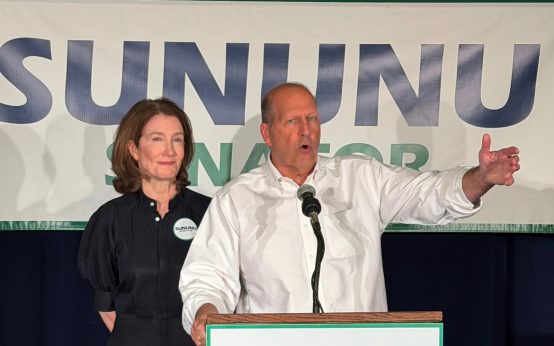 Tight Senate Race Emerges in New Hampshire