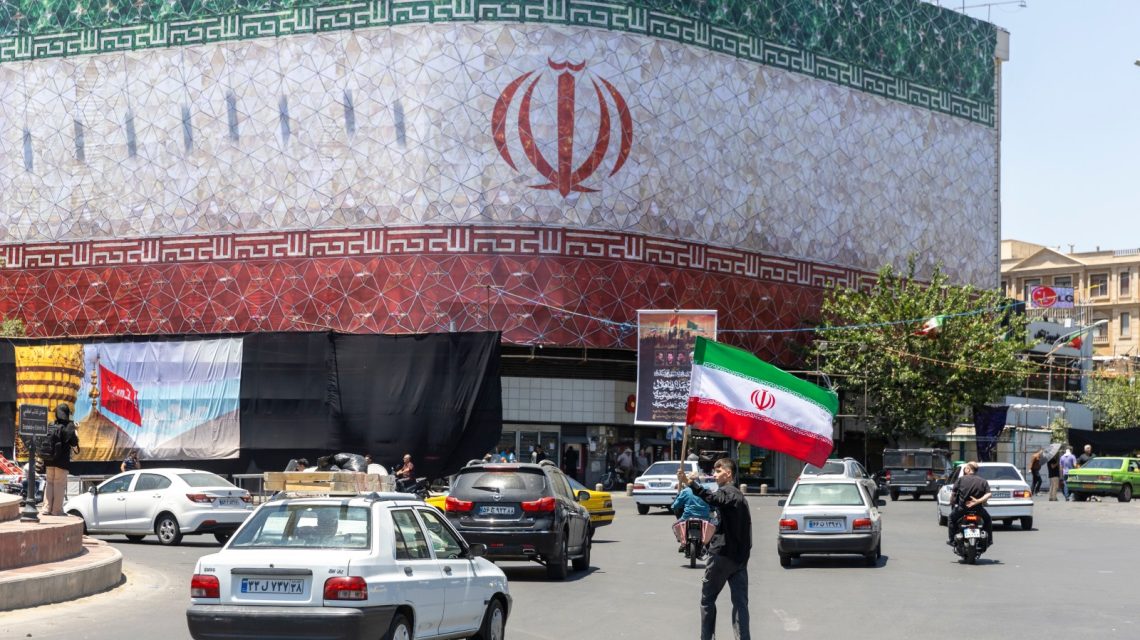
Advancements in U.S.-Iran Negotiations
Recent talks between U.S. and Iranian officials have shown positive developments in resolving their conflict. Both countries aim to turn military successes into diplomatic advantages. Iran’s key condition is keeping its demands prominent in discussions to maintain leverage against the geopolitical giant, the U.S.
Maintaining negotiation leverage is crucial for Iran, given its strategic position in regional and global security despite threats from the U.S. to escalate if talks collapse. The memorandum of understanding (MoU) signed recently is viewed by Iranian officials not only as a diplomatic win but as a strategic shift reinforcing Iran’s critical regional role.
Masoud Rezaei of the Center for Middle East Strategic Studies in Tehran stated the MoU’s significance lies in emerging from direct military confrontation, reinforcing Iran’s narrative that pressures like sanctions and military actions don’t eliminate Iran’s regional influence; they push external powers back to negotiations.
Historical Context: Iran-Iraq War
The Iran-Iraq war, the last major conflict Iran fought, highlights the leverage lesson. Iraqi forces invaded Iran in 1980, attempting to capitalize on post-revolution instability. However, Iran resisted and turned the tide by taking strategic territories like the Faw Peninsula.
The eventual UN ceasefire was reluctantly accepted by Iran after losing its advantageous position, showcasing the importance of converting military gains into favorable diplomatic outcomes. The “Faw dilemma” is a critical lesson that military success must coincide with diplomatic progress.
Current Negotiation Stance
Unlike the territorial disputes of the Iran-Iraq war, the current U.S.-Iran conflict focuses more on strategic control of the Persian Gulf and the Strait of Hormuz impacts. The MoU signed last week addressed continued struggles, including a Hezbollah and Israel ceasefire.
Despite recent walkouts during talks, both sides claimed progress after a high-level meeting in Switzerland. Iran agreed to invite nuclear site inspectors, facilitating eased U.S. oil sanctions. The debates continue on extracting Iran’s uranium stockpile.
Monetary Aspects of the Agreement
The MoU includes releasing frozen Iranian assets and establishing a $300 billion reconstruction fund with regional partners. Details on the fund’s mechanism remain open, but no U.S. taxpayer money will cover the costs.
Domestic Challenges
Gregory Brew from the Eurasia Group highlighted internal challenges for Iran’s leadership. Public discontent stems from economic issues, urging Iran to spend resources on military, infrastructure, and financial sector reforms.
Political diversity within Iran’s leadership presents another hurdle. Iranian governance remains divided between reformists and hard-liners, probing into the IRGC’s influence in military and clerical narratives. Additionally, Parliament Speaker Qalibaf’s role in negotiations poses questions on power dynamics in Iranian politics.
The tension between collective governing groups might lead to friction among elites as Iran transitions from wartime urgency to addressing practical governance issues.
 Passengers Prevent Mid-Air Crisis Amid Pilot Stabbing Incident
 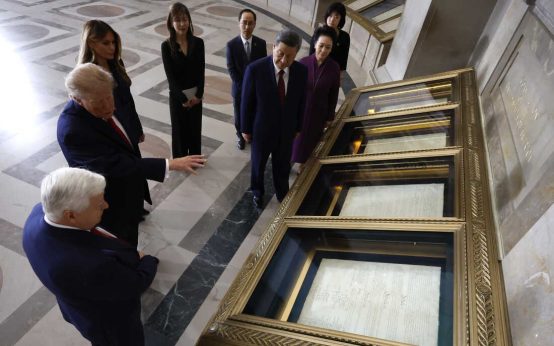 Sensitive Discussions During Trump’s National Archives Visit with Xi Jinping
 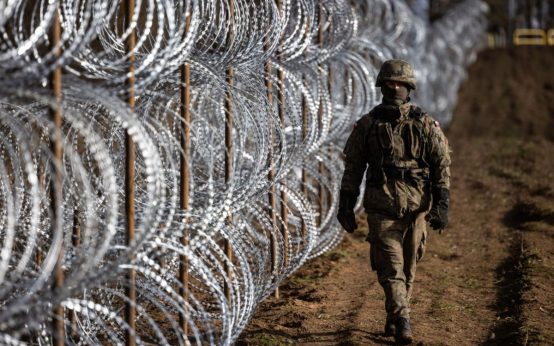 Escalating Tensions Between Russia and the UK
 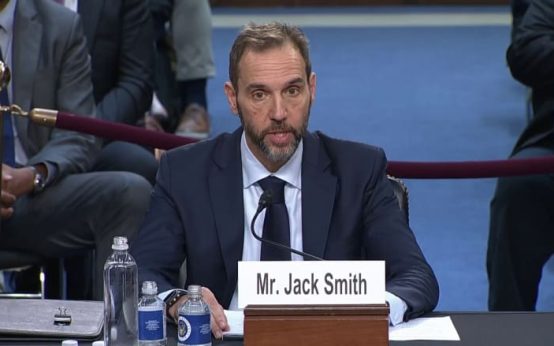 Key Events in Politics and Technology: U.S. and U.K. Developments
 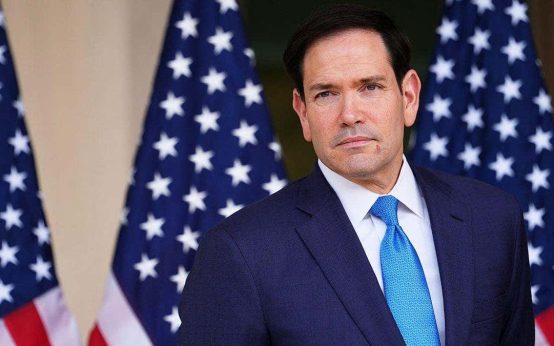 Secretary of State Rubio Comments on Recent UK Terror Threat
  New Developments in Ayotzinapa Case: 17 New Suspects Identified