
Abelardo De La Espriella, a wealthy right-wing populist without prior political experience, is set to claim a narrow victory over leftist Senator Iván Cepeda in Colombia’s presidential election. If the preliminary results hold, De La Espriella, supported by Trump, will soon lead Latin America’s third-largest country. He succeeds Gustavo Petro, historical for being Colombia’s first leftist president who capitalized on widespread political discontent four years ago.
Interpreting the results as merely a return to conservative politics oversimplifies Colombia’s situation. The nation faces a volatile political cycle characterized by sharp polarization and dissatisfaction with established systems. This shift is more about a leap into the unknown, referred to in Spanish as “un salto al vacío.”
The push for change, regardless of political ideology, has intensified across Latin America. Over the last decade, an anti-incumbent sentiment has surged, leading to declining support for ruling parties. Amid growing economic and security worries, many citizens appear more open to authoritarian figures or administrations they perceive as better equipped to solve their issues, regardless of traditional protocols and norms.
This anti-incumbent trend helped Petro ascend to power in 2022. Now a similar desire for change has benefited De La Espriella. It highlights a clear pattern. Colombia’s government has struggled for decades with issues like persistent violence, deep inequality, and insufficient state presence across vast regions. This history has eroded trust in centrist political forces. Both Petro and De La Espriella harnessed this discontent, each casting themselves as outsiders opposing a stagnant political system.
Petro’s tenure wasn’t entirely unsuccessful. He addressed genuine grievances regarding poverty and inequality. His inclusive political discourse gave voice to Afro-Colombian and Indigenous communities, traditionally marginalized groups. Yet, like many Latin American populists, his strengths in campaigning did not translate to effective governance. His presidency was riddled with infighting, corruption allegations, attempts to circumvent Congress, and a failure to implement meaningful reforms.
Fiscal mismanagement, a health sector crisis, and undermining Colombia’s strong technocratic foundations marked Petro’s administration. His most notable shortfall was in security. Petro’s Total Peace initiative aimed to negotiate with insurgent groups and urban gangs, departing from longstanding military strategies. Despite good intentions, the initiative faltered. Armed groups expanded, combatant numbers escalated, and military morale declined. Coca production surged to unprecedented levels, and violence increased, leading many Colombians to perceive a loss of governmental control.
 Challenges Facing the Supreme Court’s Public Perception
  California Democratic Aide Arrested for Visa Overstay by Federal Authorities
  Experts Doubt Export Ban Will Lower Fuel Prices
  Trump Delivers Warning to Iran, Cuba at UN General Assembly
  Trump Delivers Stern UN Speech on Iran, AI, and Global Security
 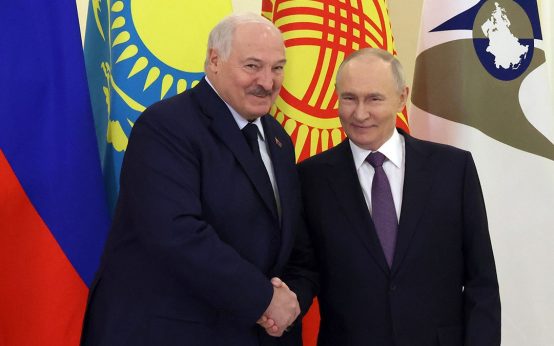 Lukashenko and Putin’s Unique Relationship and Belarus’ Strategic Role