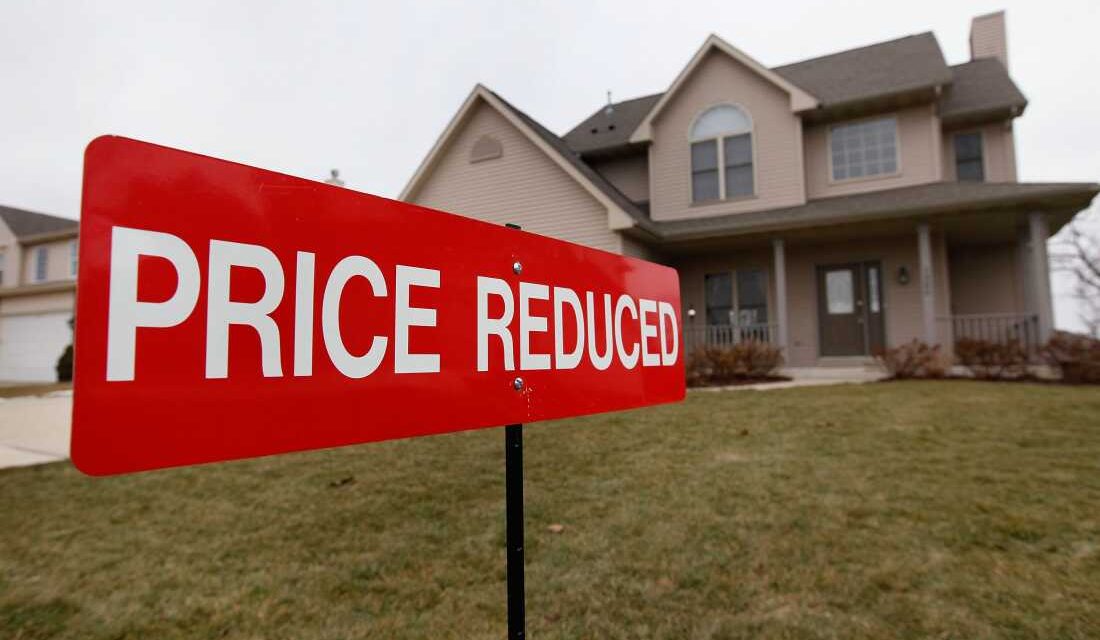
Recent data indicates that home prices are declining in Denver and other regions. Notably, Denver is experiencing some of the sharpest drops nationwide. According to the S&P CoreLogic Case-Shiller Home Price Index, these prices have decreased more than 2% year over year, and even further when adjusted for inflation. The rental market has also witnessed considerable declines.
Karl Baumgartner, a 29-year-old internal medicine resident in Denver, finds these changes beneficial as they provide opportunities previously unavailable due to high housing costs. Baumgartner recently moved into a larger apartment with better amenities, benefiting from the reduced rent. His friends have also successfully renegotiated leases due to the lower market rates.
While falling rents are advantageous for renters, Baumgartner raises concerns about the broader economic implications of negative inflation in the housing market. Economists often aim for around 2% annual inflation; therefore, understanding whether falling housing prices indicate positive outcomes or potential downsides is crucial.
Negative Effects of Housing Price Declines
Historical examples highlight potential dangers of falling home prices. Detroit suffered significant socioeconomic hardships, including a massive population decline from 1990 to 2010, resulting in more than 80% reduction in home prices during the 2000s housing crisis. The economic collapse in Detroit led to affordable housing, not due to abundant supply, but due to severe economic decline. Neighborhoods became vacant and houses cheaper than cars, with the city embarking on home demolition programs.
Economists point out that declining property values make homeowners feel poorer, potentially reducing spending, known as the wealth effect. Debt is a significant concern, as seen during the 2008 financial crisis. Homeowners risk being ‘underwater’ if prices fall too much, leading to mortgage defaults and wider economic distress.
Benefits of Affordable Housing
Conversely, lower housing costs can be beneficial, as demonstrated in Denver. Economists discuss how high costs hinder economic growth by deterring workers from relocating to regions with better job opportunities, affecting recruitment and economic expansion. Research by Chang-Tai Hsieh and Enrico Moretti estimated that rigid housing policies limited U.S. economic growth by 36% between 1964 and 2009.
In places like Denver, economic growth is thriving, yet affordable housing remains a challenge, impacting businesses that depend on a stable workforce. Cheaper housing opens financial resources for renters to invest elsewhere, benefiting the economy.
Furthermore, affordable housing can influence family formation, encourage civic engagement, and bolster local investment, positively impacting communities.
Determining the Impact of Falling Prices
The implications of declining housing prices depend on various factors:
- Supply vs. Demand: Supply-driven price falls, due to ample new housing constructions, typically signify a healthy market condition.
- Land Values: Decreases in land value may reflect broader economic issues, unlike stable or rising land values aligned with increased housing opportunities.
- Price to Income Ratio: Evaluating the ratio offers insights into economic stability; falling housing costs paired with rising incomes denote favorable conditions.
- Nature of Decline: Gradual declines pose lesser risks compared to drastic market downturns, which can exacerbate economic distress.
In Denver’s case, increased housing construction is likely driving the recent price drops, signifying a positive market response. Although migration patterns are shifting, no substantial alarm over economic distress in Denver housing arose from inquiries with experts. The situation underscores a favorable scenario of housing affordability without broader economic downturn.
Karl and other Denver renters, benefiting from these trends, appreciate the positive impacts. For further inquiries or questions, reach out at [email protected].
 Inland Empire Faces Rising Housing Costs
  Waterline Tower Transforms Austin Skyline
  Chicago Bears QB Caleb Williams Avoids Major Hamstring Injury
  Challenges in L.A.’s Multifamily Housing Market
  Former Federal Prosecutor Sells Lincoln Park Mansion
  Former Chicago Bulls Guard Jevon Carter Sells West Town Home