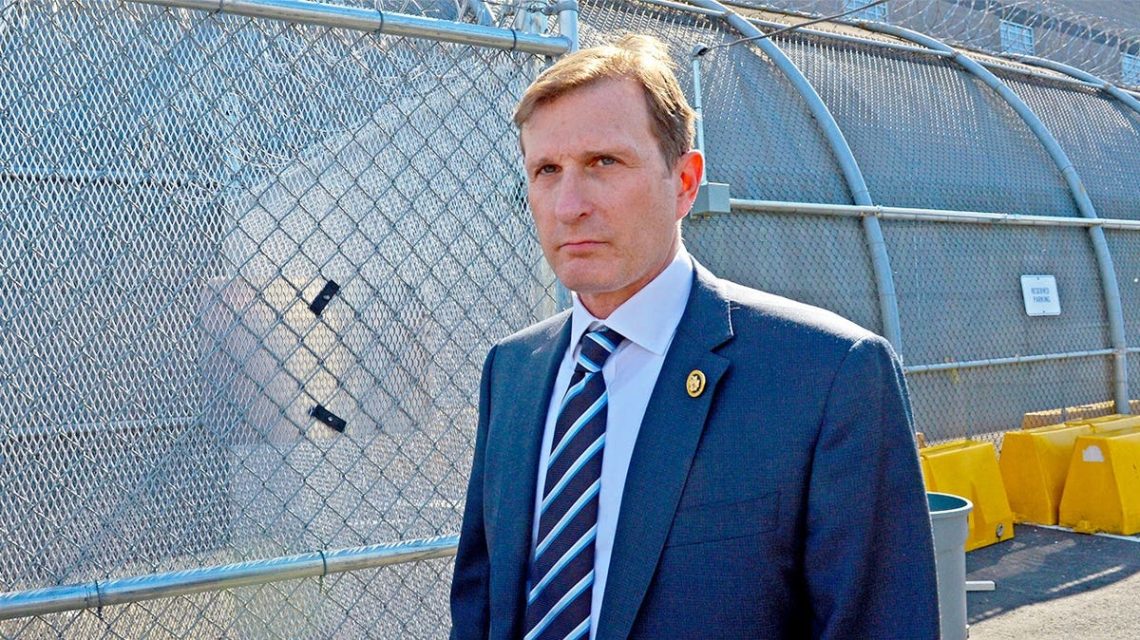
Tuesday night’s Democratic primary contests in New York City highlighted significant divisions within the party. Mayor Zohran Mamdani’s slate supported socialist candidates, while House Minority Leader Hakeem Jeffries backed establishment picks, including incumbents. The results were decisive; Jeffries’ choices did not succeed.
These victories for the far left indicate a shift within the Democratic Party. Comparisons are drawn to President Donald Trump’s impact on the GOP a decade ago, which left the Republican establishment surprised and defeated.
In essence, New York and broader national elections underscore a conflict between traditional Democrats, often Black or Hispanic, and a new anti-capitalist faction, largely immigrant-driven, with increased Muslim political advocacy and critiquing of Israel.
“Rep. Dan Goldman was ousted by far-left Brad Lander. Both are Jewish, but while Goldman supports Israel’s right to exist, Lander aligns with his Islamist advisors,” stated a commentator.
The attention then turned to podcaster Hasan Piker, who warned pro-Israel New York Rep. Richie Torres after Torres won his primary: “I’ll see you in 2 years,” Piker shared, revealing ongoing tensions.
The figures of Jeffries and Mamdani epitomize the current Democratic Party struggle. Jeffries represents machine politics, while Mamdani symbolizes a newer, ascendant force. Sen. John Fetterman aptly described this shift as “the dirtbag left is surging.” Moderate Democrats are wary, attempting to accommodate the far-left in hopes of keeping their positions.
Sen. Chris Murphy remarked, “I don’t know who is ‘the Democratic Party’ if it’s not the voters? They want us to be bolder.” This reveals the asymmetric nature of the clash between Democratic Socialists and traditional Democrats. Mamdani’s supporters argue that figures like Murphy and Jeffries should be replaced, seemingly winning the ideological battle without resistance.
Tuesday’s results further exposed weaknesses in Jeffries’ once-formidable political machine. Public sector unions, pivotal to his influence, are shifting left.
The electoral coalition of White, college-educated voters and immigrants seeking government aid has eroded traditional Black and Hispanic influence. These groups, alongside Muslim political power, challenge the establishment-driven Democratic model.
Looking ahead, political analysts frequently assert socialism’s strength in major cities and its challenges in Republican strongholds. Nonetheless, socialists aren’t focused on defeating Republicans; they target fellow Democrats.
Years ago, influential left-leaning figures like George Soros capitalized on local races. Their victories ushered far-left prosecutors, city council members, and mayors pushing traditional boundaries.
Traditional liberals are now a minority, as progressive newcomers favor a hard-left approach. Figures like Rep. Ro Khanna and Rep. Alexandria Ocasio-Cortez attempt to bridge the Marxists with the establishment. However, history suggests communists often dismantle such alliances once objectives are achieved.
Some argue that Democrats require a 2028 presidential candidate with the resolve to confront this radical drift directly. Sen. Fetterman remains a notable exception, building his support as far-left successes accumulate.
The emergence of this new left-wing within the Democratic Party is nearing total realization. Its repercussions on national policies are profound.
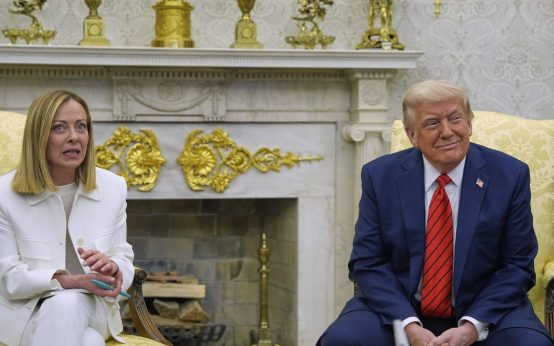 Italian PM Giorgia Meloni Skips UN General Assembly Amid Growing Tensions
  Calls Grow for Ireland’s Soccer Team to Boycott Matches Against Israel
 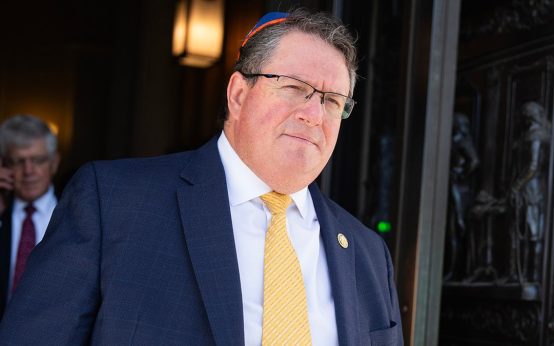 Congressman Randy Fine’s Bold Political Stance and Views on AI Regulation
 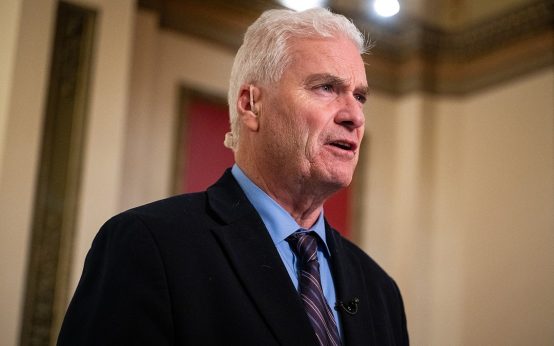 Political Messaging and Strategy Leading Up to Midterms
  President Trump Proposes ‘Super Intelligence’ as New AI Term
  Trump Administration Considers Diesel Export Ban Amid Rising Prices