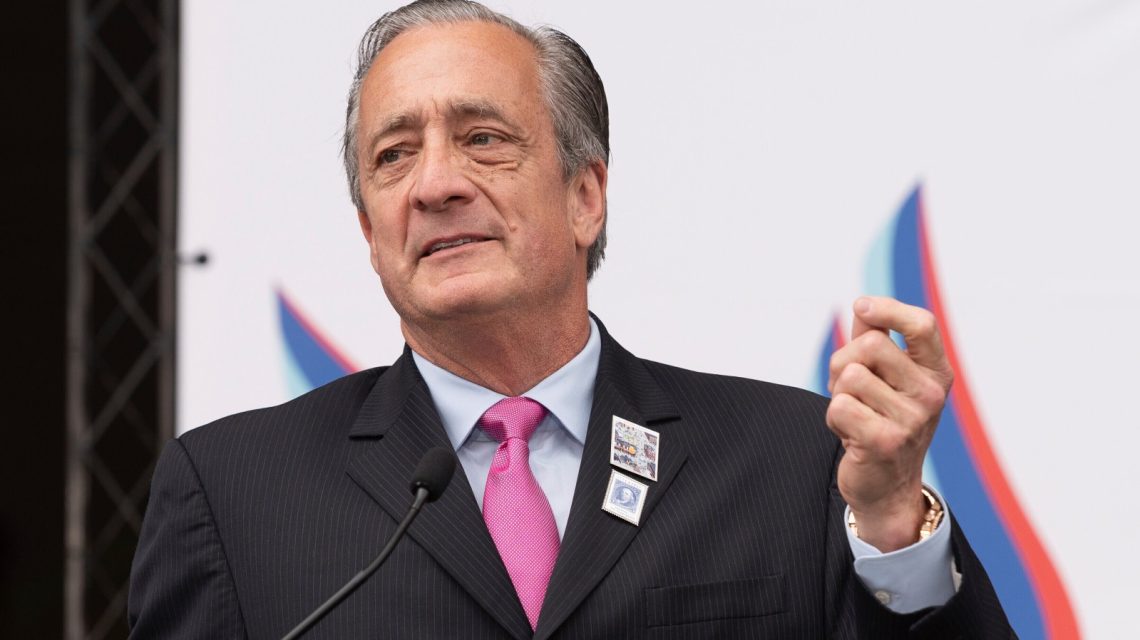
Lawmakers Challenge USPS Rule on Mail Ballots
Postmaster General David Steiner faced strong criticism from lawmakers following his announcement that the United States Postal Service (USPS) would not deliver mail ballots unless states provide their voter lists to the Trump administration. This policy stems from concerns about election integrity linked to President Donald Trump’s executive order.
During his testimony before a Senate committee, Steiner confirmed that USPS would withhold ballots from states refusing to share absentee voter lists. He stated, “No, we would tell the state that we need the manifest.”
Democratic Senator Gary Peters of Michigan accused Steiner of coercing states into sharing sensitive voter information. Peters argued, “This is essentially a back-door method for the federal government to obtain voting information controlled by states under the U.S. Constitution. You’re telling the states, ‘Trust the federal government, trust the Trump administration, and if you don’t comply, you can’t mail absentee ballots.’ This decision to prevent mail voting is unacceptable.”
Rule Criticism from Lawmakers
Senator Margaret Hassan from New Hampshire termed the rule “blatantly illegal” and warned it could diminish voter participation. She demanded Steiner rescind the proposal “immediately.” The USPS proposal challenges the notion of postal neutrality, aligning with Trump’s executive order from March 31.
Executive Order Sparks Controversy
Trump’s order, named “Ensuring Citizen Verification and Integrity in Federal Elections,” aims to alter election administration and mail voting rules significantly ahead of the 2026 midterms. It mandates federal agencies create verified lists of citizens qualified to vote by mail, directs USPS to distribute ballots only to approved voters, and incorporates unique barcodes for ballot tracking. Non-compliance could result in decreased federal funding.
Critics claim the directive oversteps presidential powers as the Constitution assigns primary election administration roles to states and Congress governs national election standards. Legal challenges are emerging against Trump’s order.
Legal Battles Over Mail Voting Order
Multiple lawsuits challenging the executive order’s legality have been filed by Democratic-led states and voting-rights organizations. A federal judge in Massachusetts recently allowed significant challenges to proceed, indicating scrutiny over whether the administration exceeded its authority.
The League of Women Voters of Massachusetts, U.S. Vote Foundation, and several other groups have filed suits, deeming Trump’s order “plainly unconstitutional.” They assert that USPS and the Department of Homeland Security’s efforts to implement the order create voter confusion and disrupt nonpartisan voting rights activities.
Marcia Johnson from the League of Women Voters emphasized mail voting’s importance for seniors, voters with disabilities, military families, students, caregivers, and working individuals. She stated, “No president can independently revise election rules or dictate how states manage their elections. The League will continue defending every voter’s ability to be heard.”
Trump’s Persistent Criticism of Mail Voting
Trump has consistently criticized mail voting as a potential source of election fraud. Despite bipartisan election officials confirming negligible voter fraud incidences, Trump has called for stricter mail ballot regulations, framing it as essential to his election-integrity agenda.
In February 2024, during a Michigan rally, Trump labeled mail-in voting “totally corrupt.” Months later, in an interview with Dr. Phil, he affirmed, “Massive fraud will always occur with mail-in ballots.” His concerns persist with a recent post urging Utah against adopting an all-mail ballot format due to perceived political biases.
Future of Mail Voting Policy
Legal proceedings will determine the administration’s ability to enforce its mail-voting policies before upcoming federal elections. Voting-rights groups and states are seeking judicial interventions to halt implementation, while administration officials defend the measures as vital for election security.
 Potential 2028 Presidential Candidates Begin Campaigning
 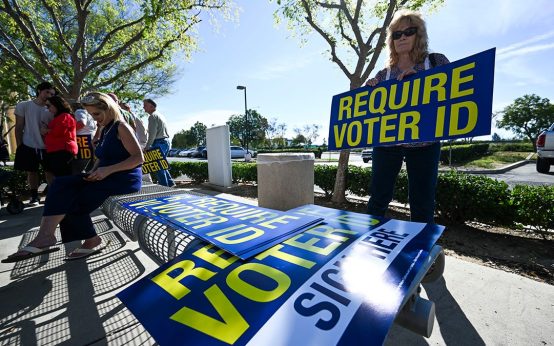 California Voter ID Proposal Sparks Debate
  Nevada Governor Race Heats Up as Election Day Approaches
  Rethinking Child Welfare Policy: A Call for Reform
  Trump Initiates Inquiry into Federal Reserve Governor Lisa Cook
  Michigan Senate Debate Highlights Intense Personal Attacks