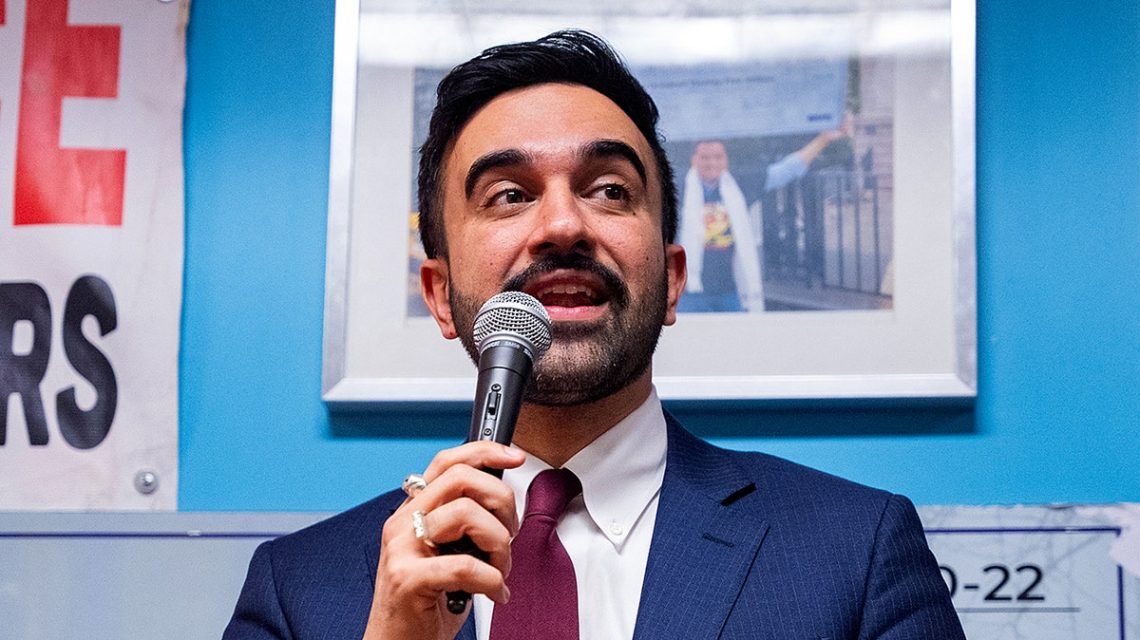
Democratic lawmakers nationwide are reacting strongly to the Supreme Court’s decision in Mullin v. Doe, which permits the Trump administration to repatriate numerous temporary refugees from Haiti and Syria. This decision has reignited discussions regarding the nature of Temporary Protected Status (TPS) for refugees, particularly concerning the term ‘temporary’ and what it signifies for American society.
Response from Political Figures
New York Mayor Zohran Mamdani, seen by some as a leading voice in the Democratic Party, expressed deep concern over the ruling. He described it as one of the largest actions against immigrants in recent American history. This decision, he argued, jeopardizes the residence and employment rights of thousands of refugees in the U.S.
Understanding Home and Refugee Status
It’s important to distinguish between refugees and immigrants and their impacts on host populations. Immigrants often aim to assimilate into American culture, as they plan long-term residence in the U.S. Conversely, refugees under TPS face the potential return to their countries of origin, aligning with the ‘temporary’ nature of their status.
Local Impact on Communities
The temporary status granted to refugees has significant local implications. In cities like Springfield, Ohio and Minneapolis, substantial populations of Haitians and Somalis receive benefits meant to support their temporary stay. Employers and business groups often view this as beneficial, citing a reliable workforce aided by taxpayer subsidies.
Business owners and organizations, like the Chamber of Commerce, welcome this workforce’s integration into local economies.
However, many residents have voiced concerns over the rapid demographic changes. In Springfield, where 20,000 foreigners have moved into a town of 50,000, local schools and housing markets are experiencing strain. Residents report challenges in education due to language barriers and competition for housing resources.
Controversy and Political Reactions
Some political figures, such as Rep. Brandon Gill of Texas, argue that many TPS holders from Haiti were relocating from countries like Brazil and Chile, rather than directly escaping danger in Haiti. Gill suggests that these individuals were strategically placed in blue-collar towns, changing local cultures and sparking accusations of racism when communities expressed concern.
Possible Solutions and Future Outlook
Harrisonburg, Virginia presents a model for refugee integration by admitting a manageable number of refugees each year, paired with language and job training programs. This structured approach contrasts with the larger influx seen in other areas.
Critics say that under President Biden, the TPS approach appears to veer towards de facto amnesty without resolving immigration reform. Amid a backdrop of over 10 million illegal immigrants, comprehensive reform seems elusive until current immigration issues are addressed.
Conclusion and Political Implications
Supporters of the Supreme Court decision argue for strict enforcement of immigration laws. In Springfield, discontent over local handling of refugee influx renewed support for political change. Residents turned to Donald Trump in hopes of a more controlled immigration policy.
 AFL Investigates Fairfax County Schools’ 9/11 Teaching Guidance
  Poll Reveals Voter Preferences Between Socialist Democrats and MAGA Republicans
  Challenges of Electing a Female President: Insights from ‘The View’
  Upcoming Concerns and Influence in Health Politics
  Rep. Donalds Distances Himself from Trump as Florida Governor Race Tightens
  Controversy Surrounds President Trump’s Proposed D.C. Arch