The One Big Beautiful Bill Act (OBBBA) is set to overhaul the student loan system with significant changes starting July 1. These changes will affect how Americans repay loans, their borrowing limits, and the availability of certain repayment programs.
Impact on Borrowers
Over 40 million Americans with federal student loan debt will feel these changes. Monthly payments and long-term costs could be altered, and experts warn about increased bills and loss of forgiveness pathways when choosing incorrect repayment plans. Alex Beene, a financial literacy instructor, highlighted the shift to a consolidated income-based plan with mandatory payments each month.
Key Changes Effective July 1
The End of the SAVE Plan
The Saving on a Valuable Education (SAVE) plan will end, affecting around 7 million borrowers. Loan servicers will send notices starting July 1. Inaction will move borrowers to a standard repayment plan, likely with higher payments. The Education Department cited court blocks and legal misunderstandings in how the Biden Administration promoted the SAVE Plan.
New Repayment System
New borrowers will face two options: a Standard Repayment Plan and a Repayment Assistance Plan (RAP). The RAP, an income-based option, requires payments of 1 to 10 percent of income with forgiveness possible after 30 years, longer than previous plans.
Limited Options for Existing Borrowers
Current borrowers have diminishing options with the Income-Based Repayment (IBR) plan as the only major legacy plan. They won’t need to switch immediately but will likely transition to RAP or standard plans. New loans after July 1 fall under the new system, limiting choices.
Graduate PLUS Loans Elimination
Starting July 1, Grad PLUS loans are no longer available. Previously, these loans covered the full cost of attendance for graduate students.
New Borrowing Caps
Federal student loans now face stricter limits. Graduates have a $20,500 annual cap and $100,000 total. Professional degrees in fields like law or medicine have a $50,000 annual and $200,000 total cap. Parent PLUS loans limit borrowing to $20,000 annually and $65,000 lifetime.
PSLF Program Amendments
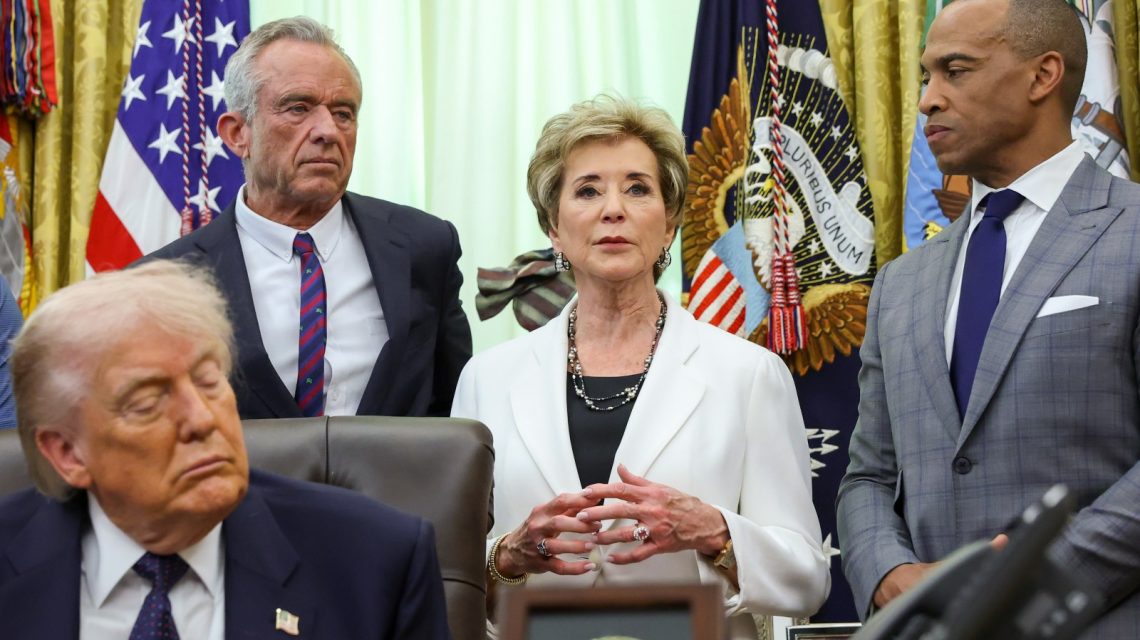
Changes to the Public Service Loan Forgiveness program include new criteria for qualifying employers. Education Secretary Linda McMahon now has the authority to disqualify employers with a substantial illegal purpose.
Interest Rate Reduction for Auto-Pay
An incentive of a 1 percent interest rate reduction is offered to borrowers enrolled in auto-pay, valid until June 30, 2028. This aims to simplify repayment and help borrowers maintain benefits.
What’s Next
July 1 marks the starting point for these changes. Borrowers will receive notices to switch plans through the summer, with 90-day response periods. The complete phase-out of older plans will conclude by 2028.
 Nikole Hannah-Jones’ Reflection on School Integration and the Impact on Her Daughter
  Understanding School Shooting Preparedness Drills
  Evaluating College Value in the AI Era
  Understanding School Safety Drills: Lockdowns vs. Active Shooter Simulations
  The Value of Unsupervised Play in Child Development
  Universities and Federal Funding: A Question of Independence