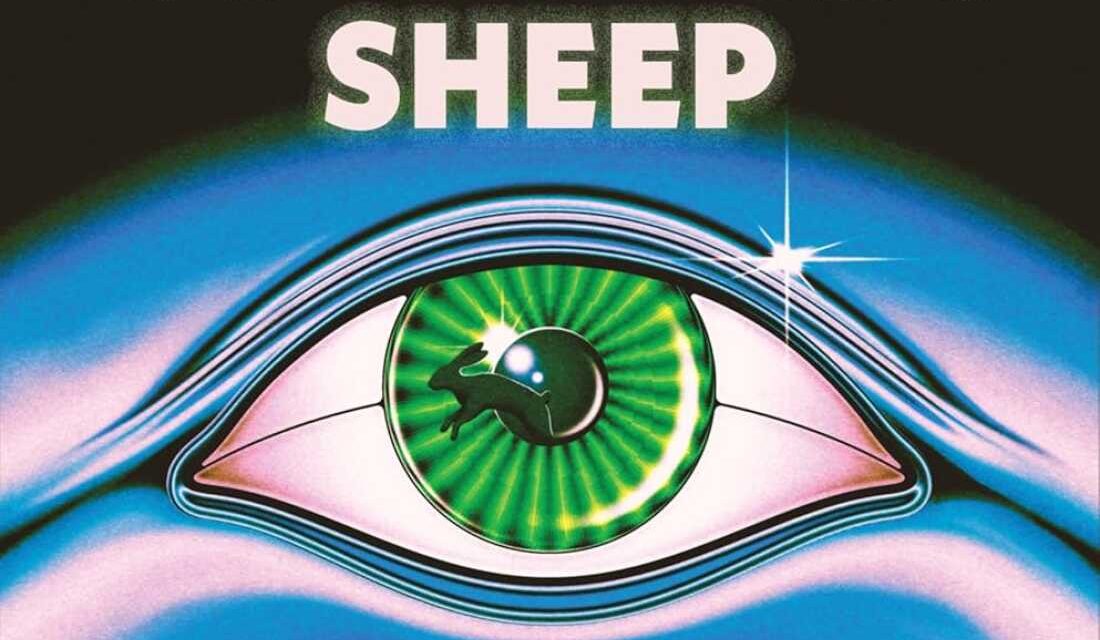
Paul Tremblay, known for pushing the boundaries of the horror genre, brings readers his latest work, Dead but Dreaming of Electric Sheep. This novel blends elements of science fiction, dystopia, and psychological horror in a narrative that challenges easy classification.
Plot Overview
The protagonist, Julia Flang, is a former semi-professional gamer living a mundane life in a San Fernando Valley suburb. She resides with her retired uncle, whom she affectionately calls Uncle Fun. Julia’s life takes a turn when her estranged mother, a CFO of a prominent tech company, offers her an unusual job. The lucrative job involves utilizing her gaming skills to control the body of a man in a vegetative state, guiding him from California to the East Coast.
The task requires Julia to manage his physical movements using a phone controller. She humorously names the man Bernie, inspired by Weekend at Bernie’s. Ethical concerns arise, but Julia finds herself in too deep to back out. However, she soon encounters individuals aiming to disrupt the mission, sharing her skepticism about the corporations and their new technologies.
Dual Narrative Structure
The novel alternates between Julia’s perspective and a second-person narrative that immerses readers in the trapped consciousness of Bernie. These chapters mimic fever dreams, capturing his confusion and fragmented memories as he struggles to regain control. Tremblay employs a unique storytelling approach, using fragmented text and visual elements to evoke a sense of unease.
Themes and Exploration
Dead but Dreaming of Electric Sheep delves into complex themes such as artificial intelligence and human consciousness. Bernie’s internal battle against AI and his lack of autonomy highlight the horror of losing control. This mirrors anxieties about AI and its impact on creativity and individuality.
Tremblay’s narrative tackles big questions: What does it mean to be alive? Is consciousness a confined state? What are the consequences of capitalism’s unethical practices? While definitive answers remain elusive, the exploration of these questions adds depth. Tremblay weaves humanity, love, and humor into the story, offering unspoken answers amidst the horror.
Humor and Innovation
Despite its horror elements, the novel incorporates humor. Julia’s sarcastic wit and sharp dialogue add levity. Nonetheless, the primary focus lies on the novel’s ambitious ideas and narrative innovation. Tremblay’s examination of profound concepts and genre-bending storytelling position him as a leading voice in contemporary fiction.
An author, book reviewer, and professor, Gabino Iglesias praises Tremblay for his creativity and insight. Readers can find Iglesias on X, formerly known as Twitter, at @Gabino_Iglesias.
 Presley Gerber: A Look Back at His Life and Legacy
  Rhiannon Giddens on Music, Heritage, and Hope
  Sylvan Esso Returns to Spotify After a Year of Protest
  Paramount Reaches Agreement to End California Antitrust Dispute
  Princess Diana’s Brother Accuses King Charles of Gaslighting
  Melanie Griffith’s Weekend of Wellness in Austria