Scientists have uncovered the method through which bacteria produce compounds that fight cancer. This breakthrough, detailed in Nature Communications, shows how enzyme systems assemble a class of drugs known as HDAC inhibitors. These compounds are crucial in disrupting the growth of cancer cells.
Dr. Munro Passmore from the University of Warwick highlighted the significance of this discovery. He explained that it could expedite the creation of numerous drug candidates. Additionally, the most promising ones could be produced on a large scale and at a reasonable cost. However, he noted that new therapies will still require time to become available to patients. Dr. Passmore explained, “The most promising candidates will still need to follow the usual process of preclinical testing, further optimization, and clinical evaluation that new drugs invariably undergo prior to being approved for use in patients. This can take up to a decade and often costs more than $1 billion.”
The research focused on a well-known family of drugs that includes romidepsin, used to treat certain blood cancers. Previously, scientists understood that bacteria naturally generate related compounds with slight variations. However, the origin of these variations remained a mystery until now.
The core of the discovery is a process known as combinatorial biosynthesis. In this process, bacteria create various related molecules by rearranging biochemical components. Many essential medical compounds are crafted by large enzyme complexes functioning like assembly lines. In bacteria, two significant systems, polyketide synthases (PKSs) and nonribosomal peptide synthetases (NRPSs), combine chemical elements to forge complex compounds, such as antibiotics and anticancer drugs.
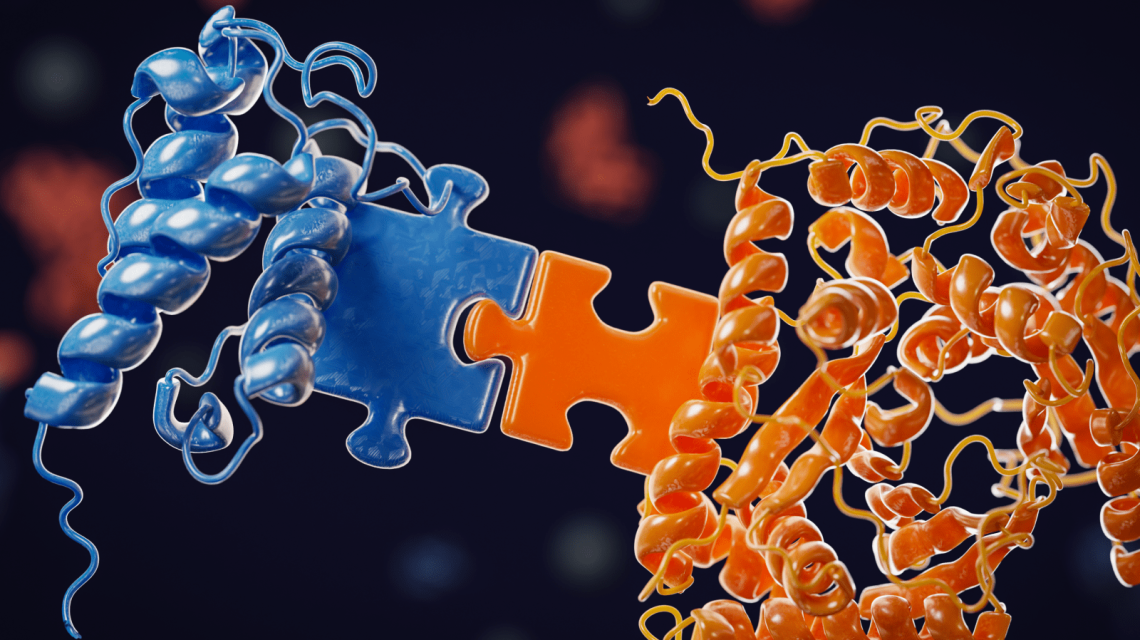
The study centered on a hybrid of these systems that produces depsipeptide HDAC inhibitors. These molecules share a standard core structure but vary in a linked peptide segment. These structural variations affect how the drugs interact with their targets. The researchers found that the enzymes building the core and attaching the variable peptide can connect through specific docking interactions. This connectivity allows different parts of the molecular machinery to cooperate, effectively generating new drug-like compound combinations.
A crucial development was identifying how enzyme components recognize and bond with one another. The team demonstrated that a structural feature called a β-hairpin docking (βHD) domain is vital. It enables one enzyme system to engage with another, passing intermediate molecules along the assembly line. Disrupting this interaction stops the production of the target compound, emphasizing its crucial role in the process.
The researchers also showed that enzyme systems from varied biosynthetic pathways can interact. This suggests a flexibility that could be exploited to create entirely new molecules. Professor Greg Challis from the University of Warwick underlined the value of this flexibility for addressing cancers that standard treatments find difficult to manage. He noted, “Initial data suggest the class of drugs produced by the ‘mix-and-match’ mechanism has promising activity against several types of cancer that don’t respond well to existing treatments.”
Professor Challis further explained that using the ‘mix and match’ mechanism in a laboratory could aid the discovery of new drug class members with improved clinical potential. Additionally, their production should be easily scalable, facilitating their pre-clinical and clinical investigation.
 The Discovery of Incendiamoeba cascadensis: A Fire Amoeba
  Archaeological Discovery in Germany: Largest Hoard of Roman Coins Found
  Hurricane Formation and Strengthening
  Ancient Mastodon Tooth Unearthed in California Creek
  The Tiny World of the Pumpkin Toadlet
  Chimps and Self-Medication: Insights from Gombe Stream