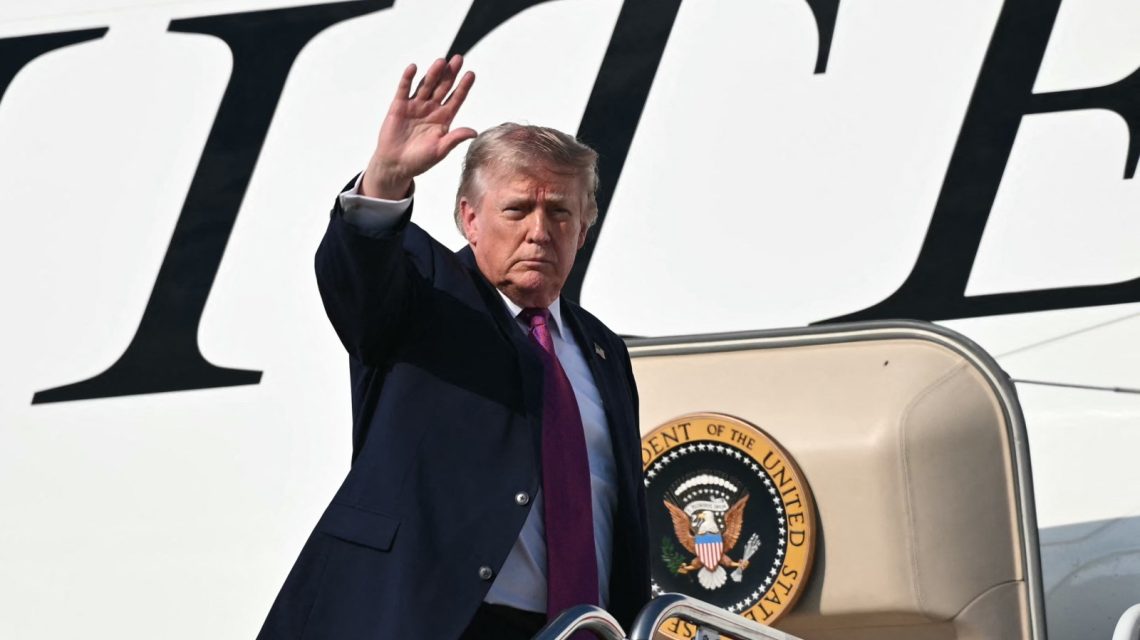
Trump’s Recent Pardons
President Donald Trump announced the issuance of pardons for six individuals he claims were persecuted by the previous administration led by President Joe Biden. Trump shared this decision on his social media platform, Truth Social, citing concerns over their convictions related to vehicle modifications.
Environmental Regulations and Convictions
The pardons specifically target business owners and mechanics convicted of violating emissions-control regulations. These individuals were accused under environmental policies established during Biden’s presidency. The administration argued that these policies unfairly targeted small businesses and workers in the auto industry.
Those pardoned include Joshua Davis, Matt Geouge, Jonathan Achtemeier, Tim Clancy, Ryan and Wade Lalone, Barry Pierce, Aaron Rudolf, and Mackenzie Spurlock. They faced prosecution for bypassing emissions-control systems, actions deemed by Trump’s administration as excessive and harmful.
Memo to EPA and Regulatory Critique
Following the pardons, Trump signed a memo instructing the Environmental Protection Agency (EPA) to allow Americans to fix their vehicles as they choose. The White House criticized the previous federal regulations as burdensome, using these cases to highlight issues of government overreach.
Those pardoned had faced accusations of conspiracy to violate the Clean Air Act through activities such as selling or installing devices that bypass emissions control systems. Federal prosecutors argued these devices increase pollutants in the air by sidelining legally required emissions controls.
Other Clemency Grants
“I AM SETTING THEM ALL FREE, RIGHT NOW!” – President Donald Trump
Beyond emissions-related cases, Trump also pardoned Adam Kidan. Kidan had been convicted of fraud linked to gambling boat purchases but has since established a successful business post-conviction.
Additionally, ranch owner Jack Harvard received a pardon. The White House commended Harvard for allowing military and NATO personnel to train on his property at no charge.
Understanding the Clean Air Act
The Clean Air Act, first enacted in 1970, is the primary law governing air pollution in the United States. It grants the EPA power to regulate pollutants from various sources and sets national air quality standards. By requiring manufacturers to install emissions-control equipment, it aims to limit harmful pollutants.
Trump’s Ongoing Clemency and Deregulation Efforts
These pardons follow a pattern observed during Trump’s second term, where clemency often benefits allies and aligns with his critiques of federal agencies. This approach includes support for January 6 Capitol Riot participants and anti-abortion activists.
Critics suggest these actions reinforce a narrative of political persecution while questioning the justice system’s credibility. Opponents argue the need for environmental regulations to curb pollution and address long-term impacts of climate change.
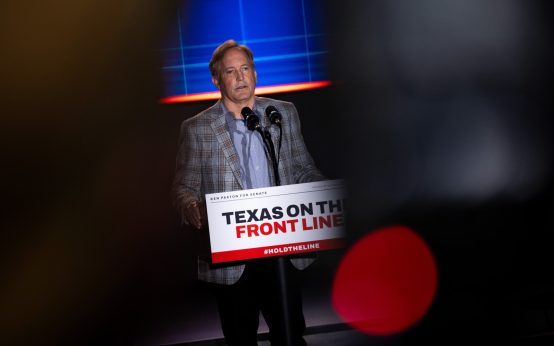 Texas Senate Race Tightens with Shifting Youth Support
 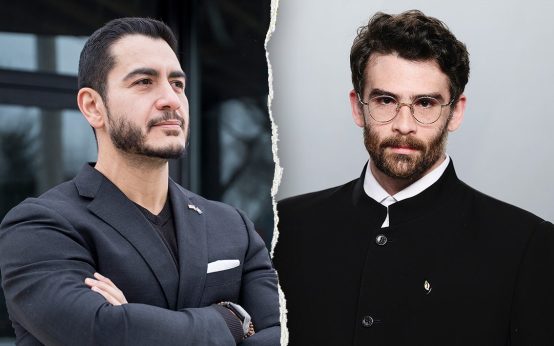 Flight 93 Hero’s Father Criticizes Ties Between Hasan Piker and Abdul El-Sayed
 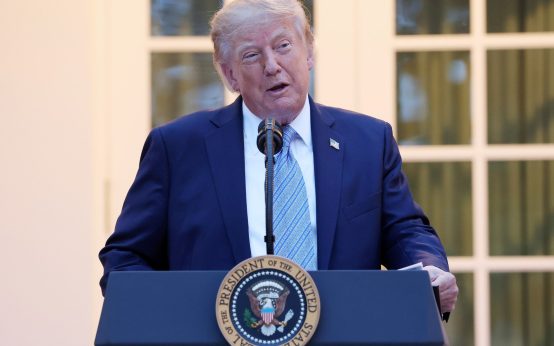 House Races Shift Amid Democratic Momentum
 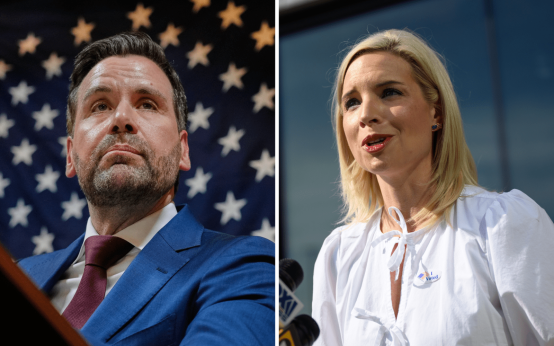 Iowa Senate Race: Marist Poll Shows Democrat Josh Turek Leading Republican Ashley Hinson
 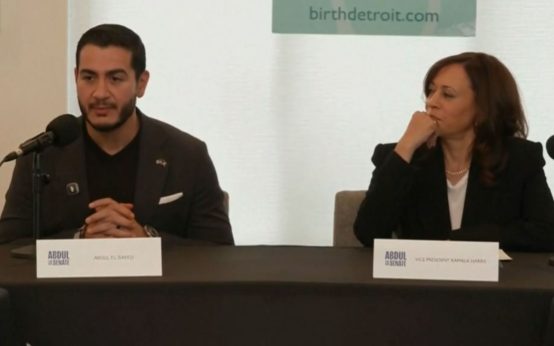 Kamala Harris and Abdul El-Sayed Campaign Together in Detroit
  Challenges Facing the Supreme Court’s Public Perception