
Kenni Miller experienced a rare sense of trust and appreciation when he commenced his role as a shift manager at Sheetz, a convenience store in Altoona, Pennsylvania. As a Black man, such sentiments were uncommon in his workplace experiences. Unfortunately, this positive beginning was overshadowed when he was terminated a few weeks later due to a background check highlighting a nonviolent felony drug conviction from his teenage years. This was a new setback for Miller, despite having demonstrated competence in the job.
Miller had never faced job denial due to his conviction before. “I was well spoken,” he explained, showcasing his capability in interacting with customers and learning the operations of the store. He believed his ability to perform the functions of the job was evident.
In 2024, Miller became involved in a class-action lawsuit by the Equal Employment Opportunity Commission (E.E.O.C.) against Sheetz. The lawsuit argued that the company’s criminal background checks disproportionately affected applicants of color. However, after President Trump assumed office, the E.E.O.C. halted the case abruptly.
The agency pointed to an executive order from Trump directing federal agencies to deprioritize cases where companies were scrutinized for policies that unintentionally had a disparate impact on minority applicants rather than for deliberate discrimination.
This directive led to a widespread abandonment of civil rights cases across various federal departments including education, housing, trade, justice, and notably, the E.E.O.C. While the exact number of closed cases remains unclear, legal advocates highlight a substantial void in civil rights enforcement during this period.
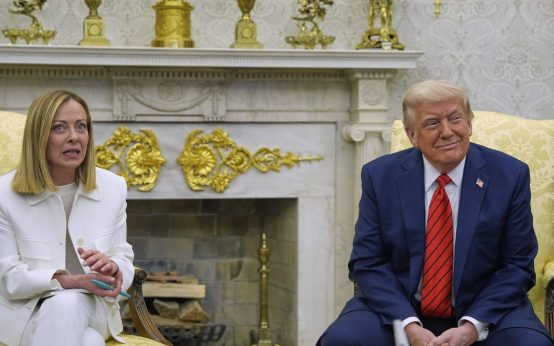 Italian PM Giorgia Meloni Skips UN General Assembly Amid Growing Tensions
  Calls Grow for Ireland’s Soccer Team to Boycott Matches Against Israel
 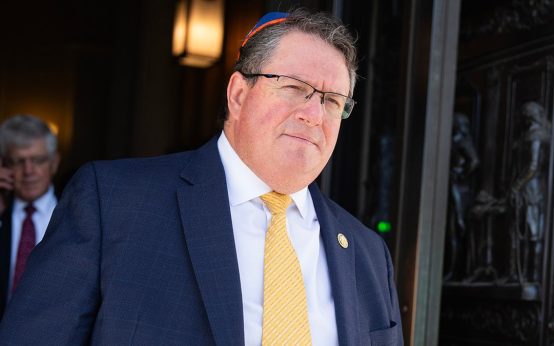 Congressman Randy Fine’s Bold Political Stance and Views on AI Regulation
 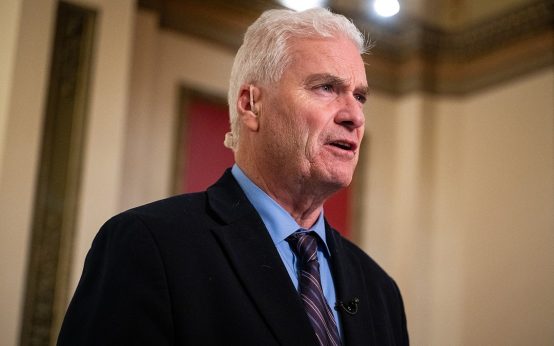 Political Messaging and Strategy Leading Up to Midterms
  President Trump Proposes ‘Super Intelligence’ as New AI Term
  Trump Administration Considers Diesel Export Ban Amid Rising Prices