Health officials in the United States are currently investigating a rise in cyclosporiasis cases. Many consumers are questioning the safety of fruits and vegetables due to concerns about the parasite causing the illness. According to food safety experts, no fresh produce is entirely risk-free. However, some foods pose a lower risk based on their cultivation, processing, or preparation methods.
The Centers for Disease Control and Prevention (CDC) is currently probing hundreds of confirmed cyclosporiasis cases across at least 31 states. The symptoms of this illness often include watery diarrhea, nausea, fatigue, and stomach cramps. In some instances, patients experience frequent and severe bowel movements lasting weeks if untreated.
Understanding the Cyclospora Parasite
Cyclospora cayetanensis, the microscopic parasite responsible for this illness, contaminates food or water through human fecal matter. Infection occurs when individuals consume contaminated food or water. This parasite requires time in the environment to become infectious to another person. As a result, outbreaks are generally linked to contaminated fresh produce rather than direct transmission between people.
The U.S. Food and Drug Administration (FDA) reports that Cyclospora has been associated with outbreaks related to fresh fruits and vegetables. The parasite is difficult to eliminate as common disinfectants are usually ineffective.
Keeping Food Safe
Fresh produce is often linked to Cyclospora outbreaks due to potential contamination from water or poor sanitation. However, consumers are not advised to avoid produce entirely. The risk varies across different produce types. Fresh herbs, leafy greens, and delicate berries are considered higher risk since they are often eaten raw. Conversely, canned fruits and vegetables pose a lower risk due to the heat involved in the canning process.
Low-Risk Fruits and Vegetables
Rodney Rohde, a professor at Texas State University, mentions that while no raw fruits or vegetables are completely safe, some are lower risk due to having thick, inedible peels that protect the edible part. These include:
- Bananas
- Citrus fruits
- Avocados
- Pineapples
- Watermelons
- Mangoes
During outbreaks, Rohde suggests that reducing risk involves avoiding produce pinpointed in investigations, opting for cooked vegetables, and selecting fruits that are peeled before eating.
Effectiveness of Cooking
Professor Kalmia Kniel from the University of Delaware explains why fruits like raspberries and cilantro are often associated with Cyclospora. The parasite can attach to hairlike projections on these items. Meanwhile, smoother surfaces, like those of blueberries, pose less risk. Cooked produce is generally safer as cooking can inactivate the parasite. Safe cooked options include:
- Corn
- Green beans
- Peas (note that raw pea pods have been linked to past outbreaks)
- Squash
- Cooked spinach
Kniel highlights that cooking can deactivate oocysts, making it a preferred method to ensure safety.
Home Growing and Cyclospora
Growing produce at home or purchasing from a farmer’s market may reduce contamination risks associated with commercial farming. However, Rohde advises that this does not entirely eliminate Cyclospora risk. Contamination can still occur through water, soil, or sanitation issues.
Keith Schneider from the University of Florida suggests that drip irrigation, which applies water directly to plant roots, might minimize risk for above-ground produce. Yet, contaminated water can still affect root vegetables or those grown close to the ground.
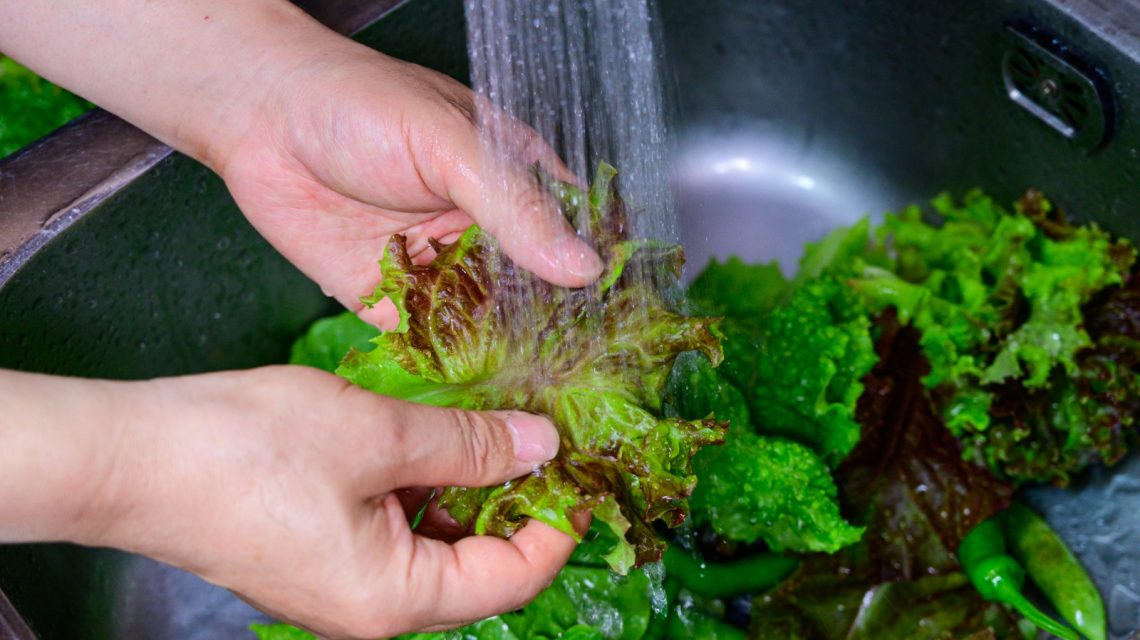
Consumers can further lower risk by washing produce under running water, refrigerating cut fruits and vegetables, avoiding foods linked to recalls, and choosing cooked or canned options when in doubt.
Moving Forward
Authorities have not yet identified a specific source for the recent outbreak. While investigations continue, public health agencies emphasize the importance of including fruits and vegetables in a healthy diet despite current concerns.
 Managing Distress and Discomfort Effectively
  Trump Administration Seeks to Influence NIH Grantmaking
  Understanding School Shooting Preparedness Drills
  Addressing the Complex Issue of Suicide and Its Prevention
  Quality of Sleep Linked to Risk Reduction in Various Diseases
  Exploring Diets and Their Potential to Reduce Alzheimer’s Risk