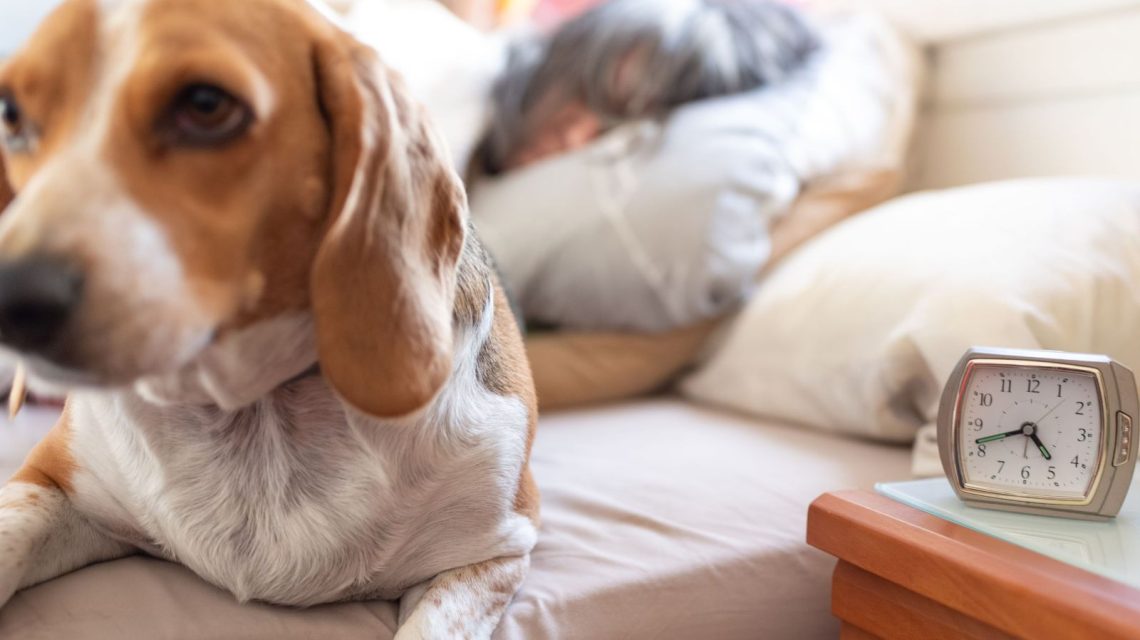
A proposal to make daylight saving time permanent has passed in the House of Representatives and awaits a Senate vote. This change, known as the Sunshine Protection Act, could affect more than people’s schedules. It might disrupt pets’ routines.
Permanent Daylight Saving Time
The act aims to eliminate the biannual clock changes, keeping the United States on daylight saving time permanently. Eastern states will stay on Eastern Daylight Time, Central on Central Daylight Time, Mountain on Mountain Daylight Time, and Pacific on Pacific Daylight Time.
While many Americans welcome the idea of not changing clocks twice yearly, pets such as dogs and cats may need several days to adjust to new routines.
“Most dogs and cats don’t know what time it is—they know when things are supposed to happen,” said Dr. Karen Halligan, DVM.
Pets rely on routines. Any sudden change in feeding, walks, medication schedules, or bedtime can temporarily disrupt them.
Pets Follow Routines, Not Clocks
Dogs and cats have internal biological clocks, or circadian rhythms, regulating sleep, hunger, and other behaviors. Permanent daylight saving time isn’t harmful, but temporary schedule disruptions may confuse pets.
A dog used to breakfast at 7 a.m. might still expect that meal even if the owner’s schedule shifts. A cat expecting dinner on time may become vocal or active if delayed.
“Cats are often overlooked,” Halligan noted. “People focus on dogs, but cats are also routine-oriented.”
Pets might wake owners early, seem restless at bedtime, or need more potty breaks while adjusting. Healthy pets typically adapt within days, though some might need more time.
Which Pets Are Most Affected?
Certain pets react more to schedule changes. Animals reliant on routine or with health needs are particularly sensitive.
Halligan advises extra attention for:
- Senior dogs and cats
- Puppies and kittens
- Pets with anxiety disorders
- Animals with cognitive dysfunction
- Highly routine-oriented pets
- Pets on specific medication schedules
- Diabetic pets receiving insulin
For pets with strict medical schedules, adjusting medication times gradually under veterinarian guidance is preferable.
Later Sunsets and Pet Walks
If daylight saving time becomes permanent, changes could begin December 1. Longer evening daylight might lead owners to walk dogs later to avoid heat. However, summer shifts could increase heat-related illness risks for pets.
Breeds like bulldogs and pugs, overweight or senior animals face higher risks. Conversely, darker mornings might prompt pre-sunrise walks, raising safety concerns.
Safety During Darker Walks
Reduced visibility makes it harder for drivers, cyclists, and pedestrians to see dogs and owners, especially near roads. Darkness may also hide hazards like uneven sidewalks or broken glass.
Halligan’s recommendations for safe pre-sunrise walks include:
- Use reflective collars, leashes, or harnesses, or attach LED lights to your dog’s gear
- Wear reflective clothing for visibility
- Carry a flashlight or headlamp
- Choose well-lit routes
- Keep dogs leashed and watchful for wildlife
Preparing Pets for Schedule Changes
The best way to adjust pets to a new schedule is gradually, rather than abruptly shifting by an hour.
Halligan suggests meal and walk adjustments by 10 to 15 minutes daily, several days before the change. Maintain medication schedules, bathroom breaks, and bedtime routines. Watch for changes in appetite, sleep, or behavior.
Consistency in routine helps most pets adjust quickly. Staying predictable in routines supports pets’ physical and emotional well-being.
“Pets don’t wear watches—they watch us,” Halligan said.
 Presley Gerber’s Passing Raises Addiction Recovery Concerns
  Understanding October SNAP Benefits: Payment Dates and Changes
  Managing Distress and Discomfort Effectively
  Trump Administration Seeks to Influence NIH Grantmaking
  Addressing the Complex Issue of Suicide and Its Prevention
  Quality of Sleep Linked to Risk Reduction in Various Diseases