Will Cain, CEO, and Dr. Scott Stephenson, president, of the Museum of the American Revolution, emphasize the significance of the Declaration of Independence. They view it as America’s most vital founding document, showcasing its historical influence on over 100 nations. Stephenson regards the Declaration as a lasting creed uniting the U.S., demonstrating a diverse group forming a vibrant political body.
This year, America celebrated the 250th anniversary of this founding document. Although the Fourth of July festivities have ended, the commemorations continue and might grow larger. Upcoming celebrations will mark Revolutionary War battles such as those in Boston, New York, and Yorktown. These events allow Americans to learn about lesser-known patriots.
Consider the Southern patriots like Francis Marion, known as the Swamp Fox, and Thomas Sumter, the Gamecock, to be recognized in South Carolina. Events at sites like Kings Mountain, Guilford Courthouse, Camden, and Eutaw Springs played pivotal roles in shaping history in the South and will be remembered.
Historians describe the second sentence of the Declaration, starting with “We hold these truths to be self-evident, that all men are created equal…,” as a turning point in American and global history. The revolution spurred worldwide movements against tyrannies and monarchies.
Jefferson’s words introduced concepts of equality, natural rights, and the governed’s consent, sparking revolutions globally. Over 100 nations eventually adopted these ideals, influencing countries such as France, Mexico, Chile, Haiti, and, much later, Czechoslovakia and Korea.
The Museum of the American Revolution in Philadelphia offers an exhibit showcasing the Declaration’s global influence. It is a remarkable display worth visiting.
Within America, the Declaration of Independence propelled movements towards autonomy. Colonies began establishing their own governments, challenging royal power. Newly formed states decided to unite under a centralized, elected leadership.
While Jefferson’s words were inspiring, the Declaration was merely a proclamation of intent to be free. Turning this notion into reality required five years of arduous battle to fully achieve independence. Americans faced the formidable British military, the world’s leading imperial power at the time. Britain’s 400-ship navy controlled the seas, while its battle-hardened soldiers had previously subdued France and seized key territories globally.
Despite these odds, the hastily assembled, underfunded, and underarmed American forces managed to outwit British troops. Though the Americans suffered significant defeats, they managed victories such as those at Saratoga and Yorktown. Even after Yorktown, Lord George Germain, the colonial secretary of state, argued in Parliament to continue the war, pointing out America’s fragile economy and rampant inflation. He felt Britain could still emerge victorious, but Parliament saw the futility in prolonging the conflict.
American perseverance led to victory. The resolve to fight and the determination to rise from defeat was unmatched. Nathanael Greene summed up this spirit, stating, “We fight, get beat, rise, and fight again.” It wasn’t solely the Founding Fathers who ensured America’s promise of freedom but the collective efforts of thousands.
The blood, sweat, and tears of these individuals allowed Jefferson’s pivotal sentence to transcend being a mere historical note. It became the foundation of a new republic and a beacon of inspiration worldwide.
Visiting the battlefields and historical sites where the promise of the Declaration of Independence was realized is an excellent way to honor this crucial document and the people who made it possible.
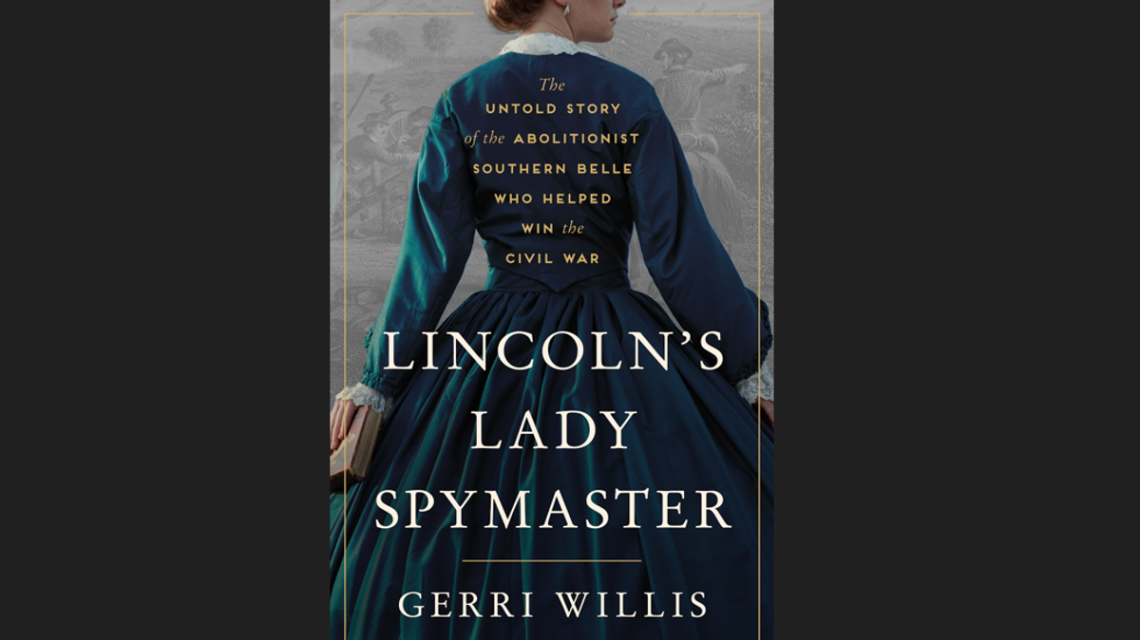
Gerri Willis, a native of North Carolina, wrote “Lincoln’s Lady Spymaster,” nominated for the People’s Choice Award by the Library of Virginia.
 Artistic Chronicle of Communities’ Recovery Post-Hurricane Helene
  Chicago History Museum’s Latin American Exhibit Sparked by Student Protests
 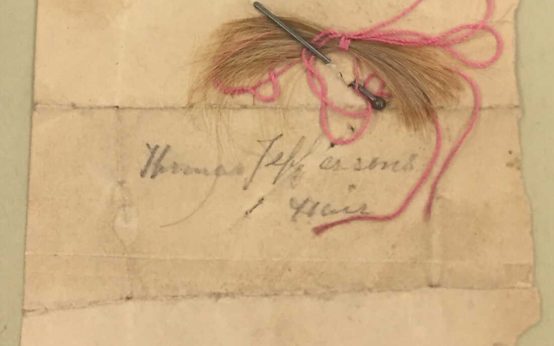 DNA Links Jefferson to Hemings Descendants
  Ari Emanuel’s Memoir: A Business-Centric Narrative
 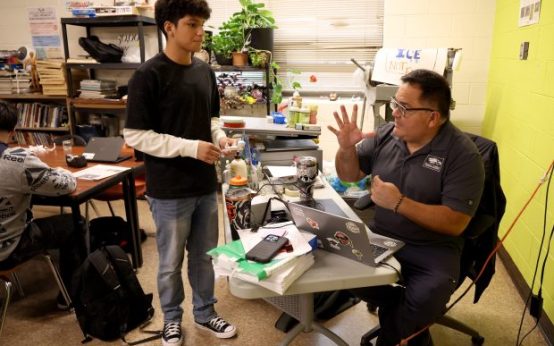 Celebrating Day of the Dead: Students Craft Calaveras in Pilsen
 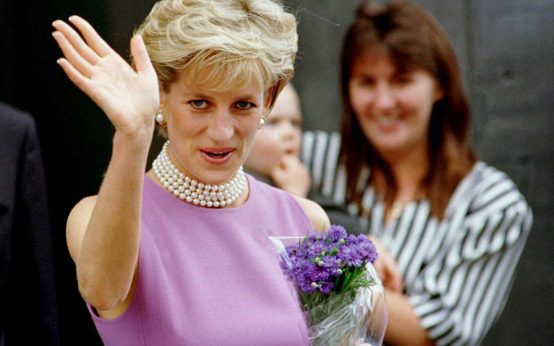 Controversial Revelations from Charles Spencer’s New Book on Princess Diana