The Trump administration is intensifying efforts to revoke American citizenship from individuals suspected of crimes or immigration fraud. Currently, 10 new cases have been filed against people believed to have fraudulently obtained citizenship.
Under President Donald Trump, federal agencies have worked to significantly boost the number of denaturalizations. Unlike visa revocations, denaturalization requires stricter legal criteria, resulting in relatively few annual cases. However, there is an ongoing push to file unprecedented numbers of complaints focusing on fraudulent citizenship acquisitions.
The Department of Homeland Security (DHS) and Department of Justice (DOJ) disclosed the names of individuals suspected of committing crimes before applying for U.S. citizenship. Information on defense attorneys for these cases remains unavailable publicly.
“We refuse to give a free pass to criminals who cheated their way into American citizenship,” Assistant Attorney General Brett A. Shumate emphasized. “Under this administration, individuals who cheated the naturalization process will face rigorous prosecution. This initiative is just beginning; more cases will follow.”
Individuals Facing Denaturalization
Eight of the ten listed come from Mexico, with the others originating from Cuba, Pakistan, Peru, and Poland. Several cases involve alleged child sexual abuse and fraudulent documentation during their citizenship applications.
Government officials argue misrepresented facts or concealed information during the naturalization process led to unwarranted citizenship grants. Among the individuals facing denaturalization:
- Urbano Vazquez Ortega from Mexico, convicted of multiple child sexual abuse charges, and sentenced to 15 years in prison.
- Francisco Montano, another Mexican national, convicted for sexual assault and indecency with a child.
- Jimmy Aguero from Peru, implicated in the sexual abuse of his stepdaughter.
- Martin Garcia Cardiel, a Mexican immigrant convicted on 19 counts of child sexual abuse.
- Yoskmaikel Rodriguez Perez, a Cuban national, accused of Medicare fraud.
- Murtaza Ali from Pakistan, using multiple identities for immigration benefits.
- Antonio Alcantara-Ruiz and Ceflo Luviano-Mojica from Mexico, involving identity fraud.
- Omar Cantu-Montalvo and Marcin Stanislaw Garbacz, on charges related to drug trafficking and financial crimes.
Implications of Denaturalization
The U.S. government contends that these individuals illegally obtained citizenship or misrepresented key facts during the naturalization process, violating the moral character requirements.
Through civil complaints, officials aim to revoke their citizenship, reverting their status to noncitizen, leading to potential deportation.
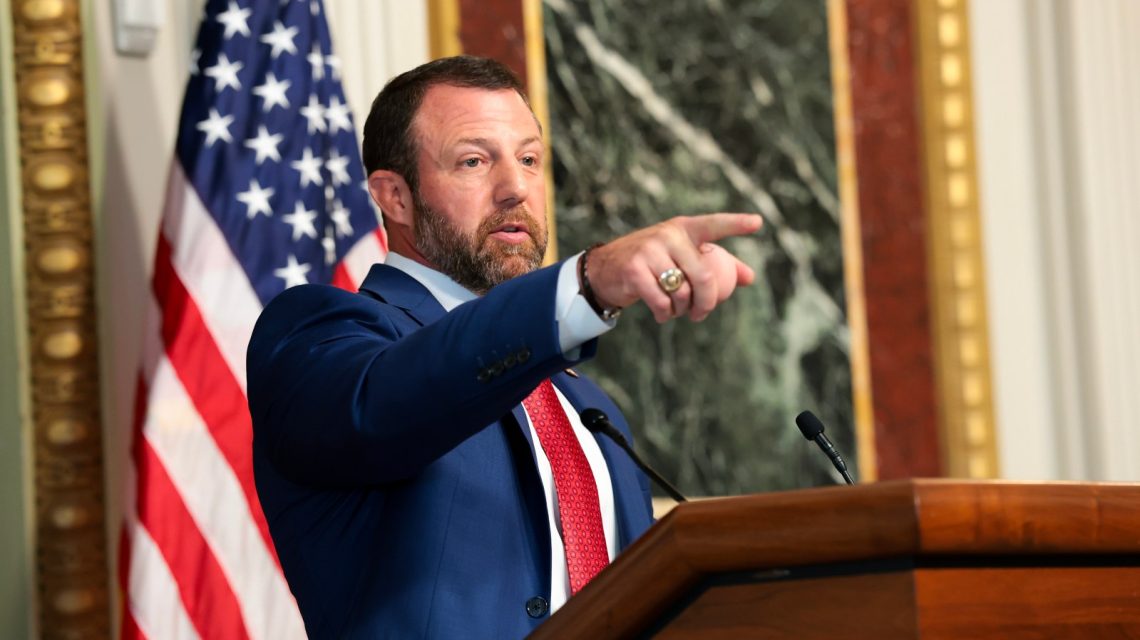
“Committing fraud during naturalization means losing the right to U.S. citizenship,” stated DHS Secretary Markwayne Mullin. “These fraudulent actions by criminals exploit our immigration system at the expense of genuine citizens.”
Despite the push for denaturalization, cases remain rare. From 1990 to 2017, an average of 11 cases were initiated yearly, whereas during Trump’s first term, 25 cases emerged annually, against a backdrop of 24 million naturalized citizens.
For further inquiries on this topic, contact Newsweek editors Samantha Beech and Gray R. Thomas.
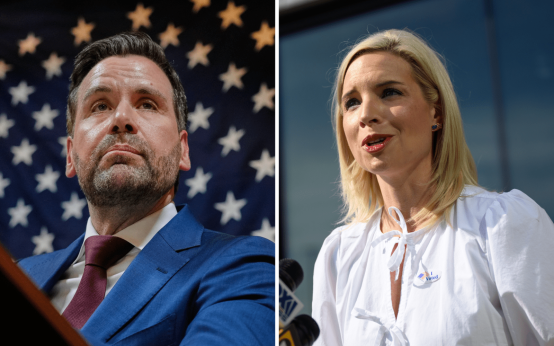 Iowa Senate Race: Marist Poll Shows Democrat Josh Turek Leading Republican Ashley Hinson
 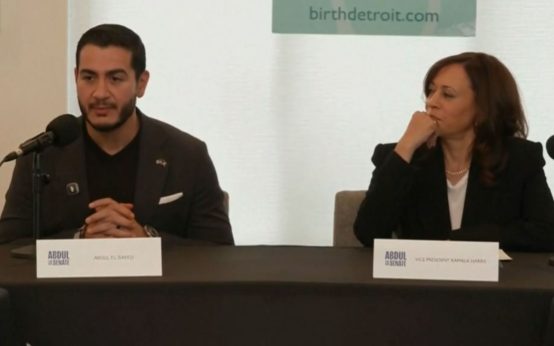 Kamala Harris and Abdul El-Sayed Campaign Together in Detroit
  Challenges Facing the Supreme Court’s Public Perception
  California Democratic Aide Arrested for Visa Overstay by Federal Authorities
  Experts Doubt Export Ban Will Lower Fuel Prices
  Trump Delivers Warning to Iran, Cuba at UN General Assembly