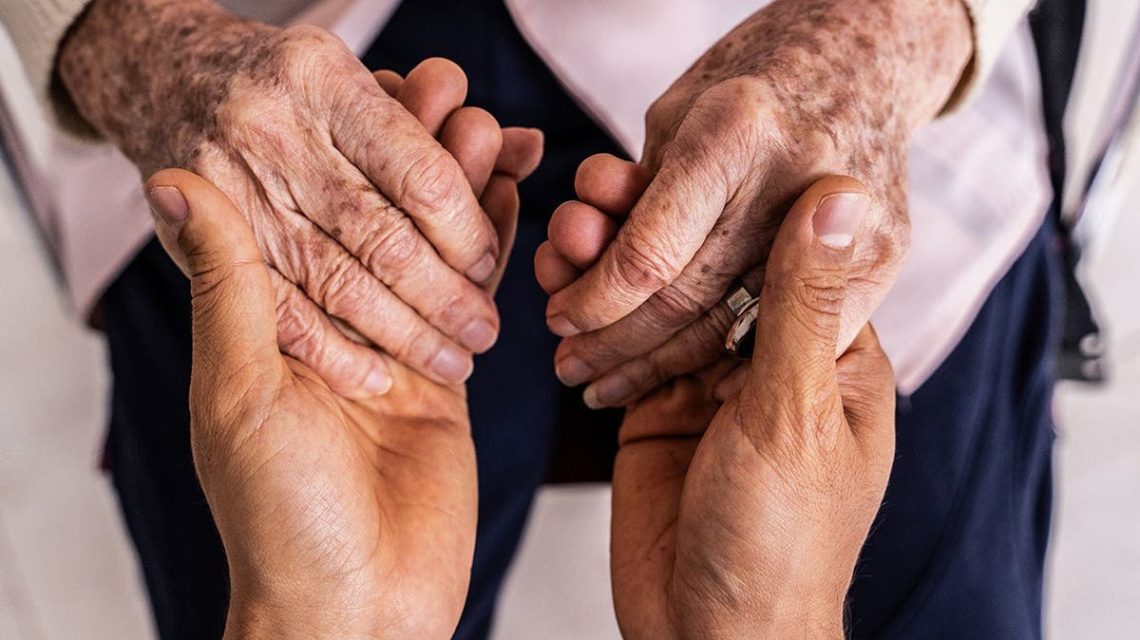
Recent research indicates that people around the world are living longer, yet facing an increasing number of years in poor health. The “morbidity gap”—the duration spent in poor health with conditions like back pain, hearing loss, and depression—has expanded in 203 of 204 countries studied. This issue is notably significant in the U.S.
Researchers from the Institute for Health Metrics and Evaluation at the University of Washington reported an increase in the average percentage of life spent in poor health from 13.6% in 1990 to 14.5% in 2023.
Morbidity Gap in the U.S.
The United States exhibits a notable morbidity gap, lasting about 14 years, or 17.8% of the expected lifespan. This signifies a growing number of years spent dealing with chronic diseases and disabilities.
“Because gains in survival consistently outpaced gains in healthy years of life, people are spending more years living with chronic disease and disability,” the researchers stated.
The widening gap is most evident in wealthier nations where life-extending resources are readily available. Women, living longer than men, also experience more years in poor health.
Impact of Chronic Non-Fatal Conditions
The study analyzed data covering 204 countries and territories from 1990 through 2023. It identified that musculoskeletal disorders, mental health issues, and aging contribute significantly to the morbidity gap. Key findings show about 57% of all years in poor health globally are linked to a few chronic, non-fatal conditions.
High fasting plasma glucose, obesity, and aging populations further exacerbate these issues.
Focus on Healthspan
Dr. Christopher Murray, director of the Institute, emphasized that future health improvements should focus on living healthier lives rather than just longer ones. He advocated for prevention, long-term disease management, and chronic care to reduce the morbidity gap.
Dr. Antony Chu from Brown University underscored the need to preserve function rather than react to disease. Initiatives should include routine assessments of mobility, strength, balance, cognition, and resilience.
Importance of Musculoskeletal and Mental Health
Chu emphasized the significance of musculoskeletal health, recommending resistance training, fall prevention, and early treatment of chronic back pain.
Mental health and social connections also play a crucial role in healthspan. Chu noted that addressing hearing loss, depression, anxiety, and loneliness early can improve longevity and independence.
He highlighted the cultural aspect, stating that in many societies, older adults maintain active roles, contributing to family and community through mentorship and care. This sense of belonging might protect against loneliness and depression.
Chu pointed out that social isolation is a growing concern for older Americans, who often are most isolated when maintaining relationships is vital for healthy aging. He concluded that healthy aging relies on community, purpose, and connection, not solely on biological factors.
 Upcoming Concerns and Influence in Health Politics
  Fraud Task Force Saves Billions by Tackling Obamacare Misuse
  Presley Gerber’s Passing Raises Addiction Recovery Concerns
  Understanding October SNAP Benefits: Payment Dates and Changes
  Managing Distress and Discomfort Effectively
  Trump Administration Seeks to Influence NIH Grantmaking