
A Canadian woman has been arrested in Belgium on charges of espionage. She had been working as an intern at NATO’s operational headquarters, according to Belgian authorities.
The Federal Prosecutor’s Office initiated an espionage investigation following a tip-off from NATO’s security services to Belgium’s military intelligence. Officials detained the woman, described as a Canadian citizen of Chinese origin, one day after searching her home and workplace within NATO’s command center.
Prosecutors stated that she is suspected of acting as a spy for a third country and being involved in a criminal organization.
The strategic headquarters, known as SHAPE (Supreme Headquarters Allied Powers Europe), is in Mons, Belgium, close to the French border. Military officials here devise and implement strategies and operations. NATO’s political headquarters is in Brussels. Here, representatives from member nations address issues like defense spending and cyber threats. The Cyber Security Centre is located at SHAPE.
Col. Martin L. O’Donnell, speaking for SHAPE, assured that there is currently no evidence of any impact on NATO or SHAPE’s operational readiness or ongoing tasks. He stated that SHAPE continues its operations without hindrance.
Both Canada and Belgium are part of the 32-nation alliance, which identified China as a “security challenge” in 2021, alongside threats from Russia and the Middle East. NATO leaders have expressed concerns about China’s actions to disrupt global order and its opaque military development. They argue that Beijing’s policies and conduct challenge the rules-based international order relevant to alliance security. China, however, has defended its military buildup as defensive.
This arrest occurs at a significant moment for NATO, amidst criticism from former U.S. President Donald Trump over defense spending and strategic commitments. Trump pushed for increased defense expenditure among allies and sparked tensions with suggestions like buying Greenland from Denmark. Following such pressures, NATO nations have agreed to allocate 5% of their GDP to defense, covering equipment and infrastructure needs, including cybersecurity.
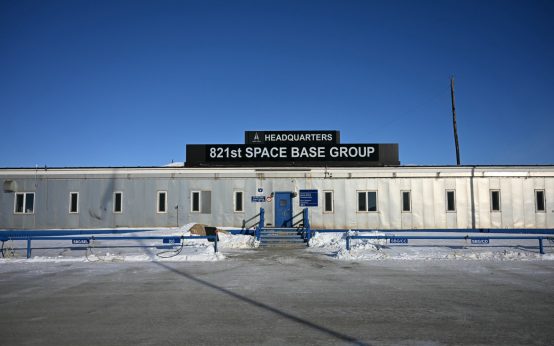 New U.S. Military Bases Planned in Greenland Amid Strategic Security Deal
  Twitch Streamer Hasan Piker Discusses Controversial Commentary
  A Shifting Political Landscape: The Decline of Autocratic Power
  Trump Delivers Warning to Iran, Cuba at UN General Assembly
  Lukashenko and Putin’s Unique Relationship and Belarus’ Strategic Role
  Alan Ritchson Faces Backlash Over Political Remarks