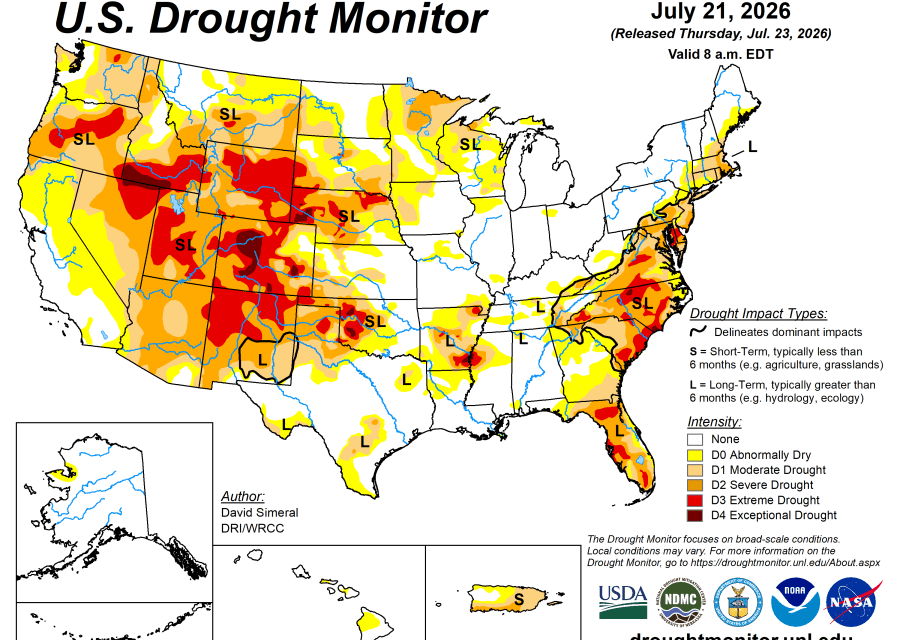
Drought conditions in the Western United States are worsening, with several states experiencing extreme dryness. Oregon, Idaho, Nevada, Wyoming, Utah, Colorado, New Mexico, Nebraska, Oklahoma, and the Texas Panhandle are all grappling with severe drought as of mid-July.
According to AccuWeather forecasters, these conditions are unlikely to improve soon. Paul Pastelok, a long-range expert, highlighted the potential impact of an impending strong El Niño, which might affect the Plains states for years.
“If the long-term drought is as severe as anticipated, a ‘mini Dust Bowl’ could be a real possibility,” stated Joel Myers of AccuWeather.
Drought’s influence extends beyond weather. Economically, it threatens crop yields, especially soybeans, leading to potential price hikes and food production issues.
El Niño’s Role
El Niño’s effects vary by region, affecting rainfall patterns differently. Dillon Amaya from North Carolina State University noted that while the Southwest might see wetter conditions, the Pacific Northwest may become drier. The Plains region’s response to El Niño is less predictable.
Recent drought cycles have hit the Southern Plains hard, especially Texas, Oklahoma, and Kansas. Joel Lisonbee of the National Integrated Drought Information System emphasized that resolving these issues isn’t simple. “One wet year isn’t enough to recover from several years of drought,” he said. Replenishing reservoirs and aquifers requires more sustained rainfall.
Historically, certain El Niño events, like the one from 1957 to 1959, have brought heavy rainfall, yet outcomes remain inconsistent. The current El Niño is predicted to be significant, with an 81% likelihood of becoming “very strong” and a 97% chance of lasting until 2027, according to the Climate Prediction Center.
 Fat Bear Week 2026: A Look at the Contest and Its Competitors
  California Governor Declares Statewide Emergency Ahead of El Niño Storms
 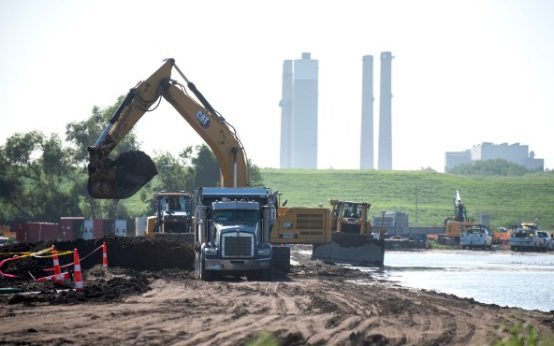 EPA Rollbacks and the Impact on Indiana Communities
 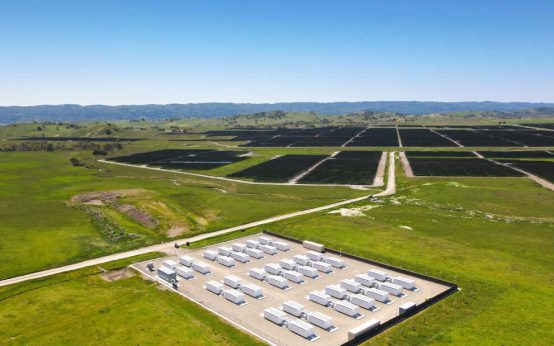 The Impact of Battery Innovations on Renewable Energy
  Challenges in California’s Home Insurance Market
 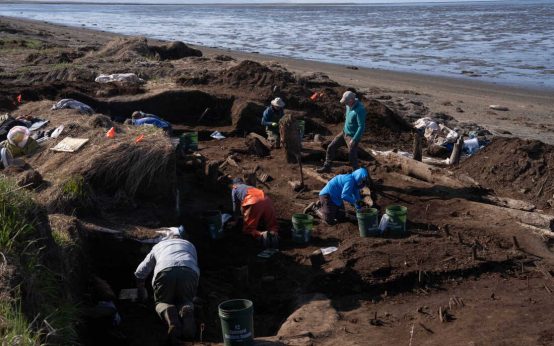 Race Against Time: Preserving Quinhagak’s Archaeological Heritage