The U.S. military has paused its airstrikes on Iran after nearly two weeks of intensified bombing. Diplomatic efforts are underway to prevent a return to all-out war.
The conflict with Iran began five months ago. President Donald Trump has threatened further strikes but also mentioned ongoing talks. Concerns about rising gas prices affect the Republican position in the upcoming midterm elections.
Israeli Prime Minister Benjamin Netanyahu’s visit to Washington adds uncertainty. Israel started the conflict with the U.S. on February 28 but has not joined the renewed American strikes. This absence raises questions about Israel’s involvement and its effect on Iran’s perception of the conflict. Michael Singh from the Washington Institute for Near East Policy suggested that the pause might be temporary and could signal different diplomatic intentions.
Concerted diplomatic efforts are ongoing. A regional official described the pause in attacks as a positive sign for de-escalation. The U.S. and Iran may return to an interim ceasefire agreement. Negotiations include Iran managing traffic in the Strait of Hormuz with reduced shipping restrictions.
Iran’s closure of the strait by firing on vessels has led to a surge in oil prices. This situation has been unpopular among Americans and could affect Republican lawmakers in the elections. After an interim ceasefire in June, competition over the strait’s control resumed. Iran demands ships use a specific route, claiming potential fees. American forces have resumed strikes on Iranian coastal defenses to protect shipping routes.
The Trump administration has expanded its targets to include infrastructure and other assets in Iran. Michael Singh noted these actions attempt to push Iran back to negotiations. But the challenge remains in Iran’s divided leadership, hesitant to show weakness that might erode their control.
Both countries need the strait open for economic reasons, yet differ on terms of control. Singh emphasized the need for a stable agreement before a lasting peace can be achieved. Negotiations, both diplomatic and forceful, are expected until this balance is found.
Amidst tensions, Yemen’s Houthi rebels attacked Saudi Arabia, closing another vital shipping route. The U.S. enforced its naval blockade, stopping a ship in the Gulf of Oman for violating it.
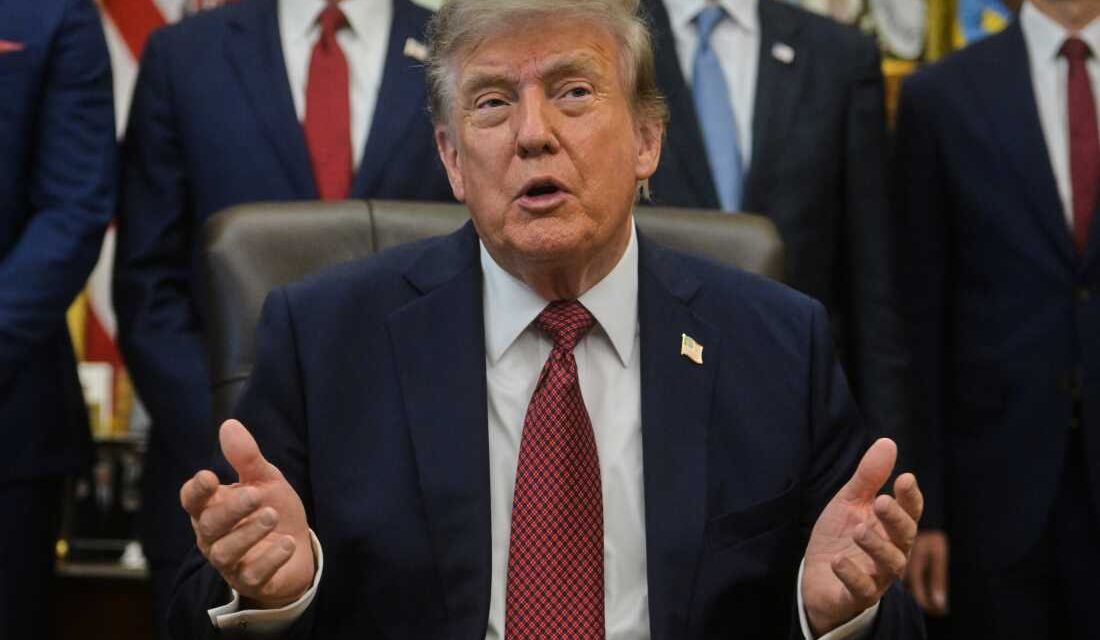
President Trump has maintained his threats while highlighting diplomacy. He proposed two options: dismantling Iran piece by piece or negotiating. Trump believes Iran is slowly becoming more serious about a deal.
In meetings with national security aides, Trump deliberated on maintaining or escalating military actions. The U.S. paused airstrikes for a night after a 13-day streak. Trump emphasized not rushing due to the election, prioritizing correct actions over electoral concerns.
 Increasing Number of Americans Seek Luxembourg Citizenship Amid Political Tensions
 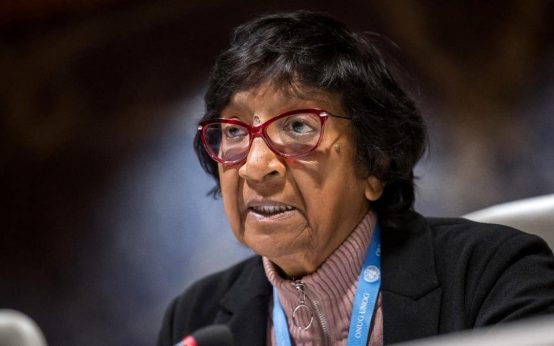 Jack Keane Defends Israel Amid UN Criticism, Pillay’s Nobel Victory
  Empire State Building Honors Fox News’ 30th Anniversary
 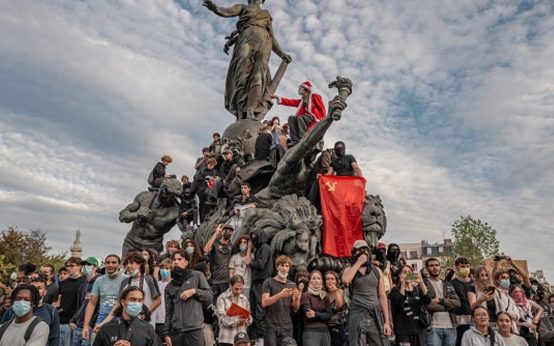 Investigating the Far-Left Influence Behind France’s Student Protests
  Navigating Complexities in the Strait of Hormuz Conflict
  Nobel Peace Prize Awarded