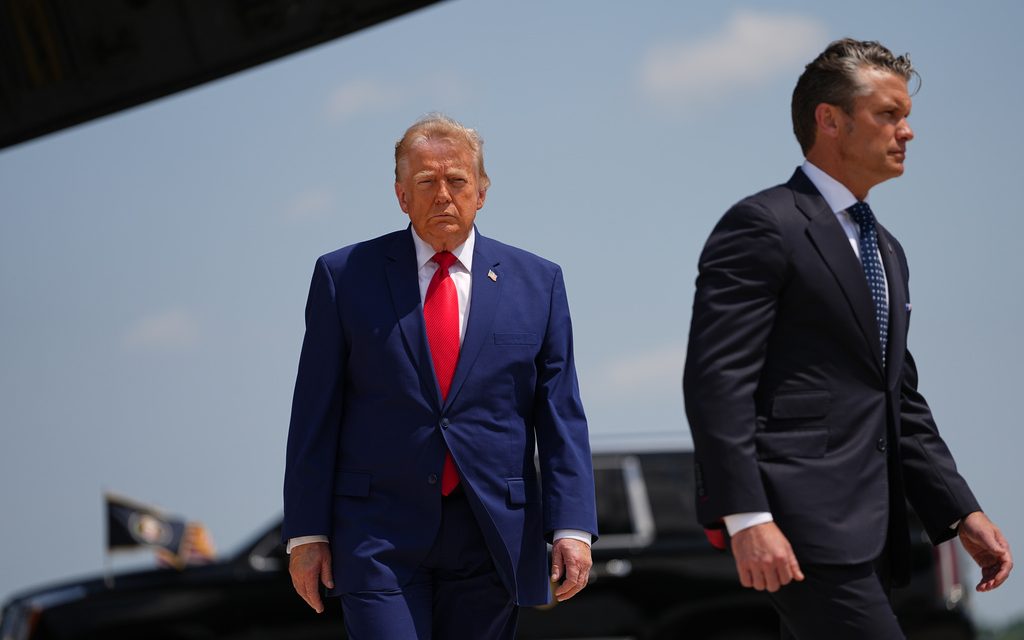
On July 22, 2026, President Donald Trump and Secretary of Defense Pete Hegseth attended the dignified transfer of four U.S. service members at Dover Air Force Base. These individuals had recently lost their lives in the Middle East. This event parallels the past when, in 1969, Life magazine published the pictures of 242 young men killed in one week during the Vietnam War. These images provided a graphic reminder of the human cost of war, challenging the Pentagon’s focus on enemy body counts as a measure of success.
During the Vietnam War, the U.S. military highlighted enemy casualties to demonstrate progress. However, displaying the faces of American soldiers who had died made people reconsider the emphasis on killing enemies. A similar effect occurred in World War II when newspapers listed the names of those who had died, influencing public opinion and prompting pressure on leaders to end the war swiftly.
Recently, the Trump administration decided to downplay recent U.S. military casualties. The Pentagon reduced the official number of those killed in action from 18 to 14, arguing that deaths occurring during a cease-fire did not count as war casualties. This includes three individuals killed by Iranian forces and another during a drone disarmament attempt. Despite their deaths, President Trump and his administration insist these individuals did not die in the Iranian conflict.
Trump’s reaction included attending a transfer ceremony for the deceased service members and posting comparisons of troop losses to previous wars on social media. This effort aims to present a more favorable view of his administration’s handling of military conflicts.
Trump’s approach aligns with a broader political strategy of using military service members symbolically. Past incidents, such as comments about the late Senator John McCain and clashes with Arlington Cemetery staff, reveal a pattern of controversial statements and actions concerning the military.
Similarly, the withdrawal from Afghanistan under President Joe Biden drew significant criticism, especially after an attack at Abbey Gate resulted in the deaths of 13 U.S. service members. Veterans noted that political responses often focused selectively on criticism when it served to discredit opponents.
The need for accountability is imperative for leaders like Trump, whose administration’s decision to exclude certain casualties from official counts is concerning. After the Iraqi conflict, veterans voiced the importance of acknowledging each service member’s contribution, regardless of political narratives.
Joseph Joslin, an award-winning commentator and Marine veteran, argues for respectful recognition of military losses. His call is for the public to ensure that the lives and sacrifices of all service members are acknowledged truthfully.
 Data Centers Spark Political Debate Across the U.S.
 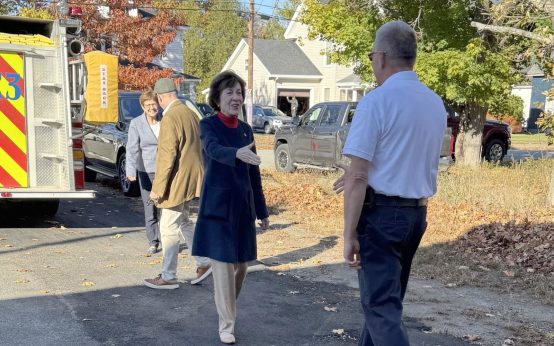 Analyzing Maine’s Pivotal U.S. Senate Race
 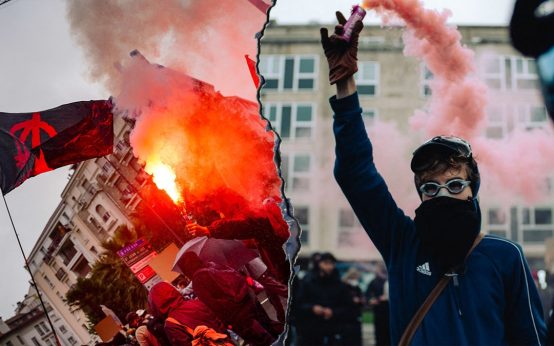 Concerns in the U.S. Over French Riots
 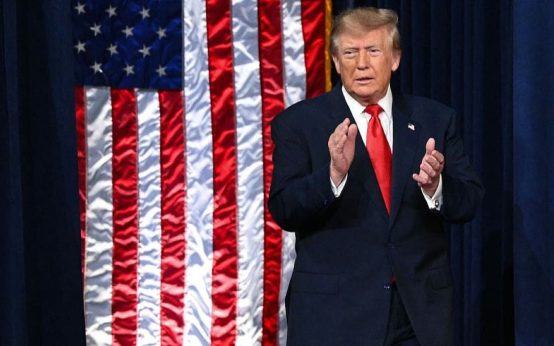 Republican Concerns Over Changing Loyalty of Working-Class Voters
  US Vice President JD Vance Chooses Not to Endorse Netanyahu Amid Israeli Elections
  Controversy Over Smithsonian Screening of ‘White Guilt’ Documentary