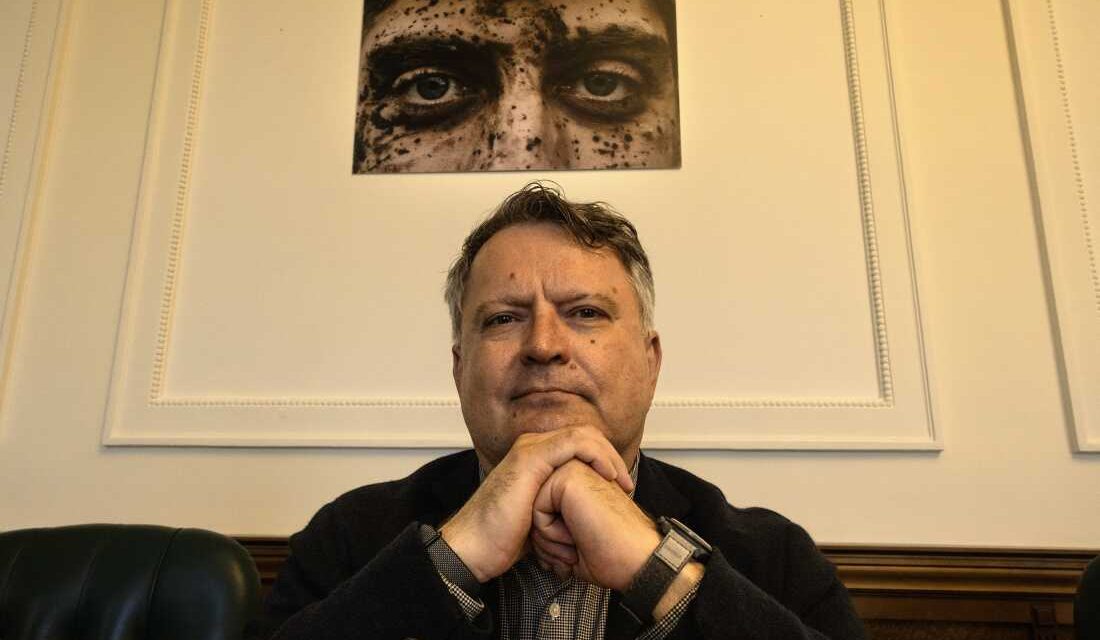
Sergiy Olehovych Kyslytsya serves as the first deputy head of the Office of the President of Ukraine. Previously, he held the position of permanent representative of Ukraine to the United Nations. Paula Bronstein for NPR
KYIV — On February 24, 2022, when Russia began its full-scale invasion of Ukraine, Sergiy Kyslytsya was in New York in his role as Ukraine’s ambassador to the United Nations. During a tense meeting, Kyslytsya addressed his Russian counterpart Vasily Nebenzya directly. He stated, “There is no purgatory for war criminals. They go straight to hell, ambassador.” The invasion halted diplomatic relations between Kyiv and Moscow, making Kyslytsya’s role at the U.N. especially crucial.
Kyslytsya was one of the few Ukrainian diplomats who continued engaging with Russian representatives. “My fellow ambassadors in capitals worldwide wouldn’t talk to them,” Kyslytsya explains. This experience was essential when he became part of Ukraine’s negotiating team for peace talks.
Ukraine’s Diplomatic Efforts
The U.S.-mediated negotiations have stalled since early this year, with the Trump administration concentrating on the U.S. conflict with Iran. However, Ukraine maintains ongoing discussions with American officials and, at times, Russian envoys, Kyslytsya notes. Dialogue remains active.
Inside Kyslytsya’s Office
NPR interviewed Kyslytsya, who also serves in President Volodymyr Zelenskyy’s office, at the presidential compound in Kyiv. His office displays wartime artwork and books on history and current affairs, including one by Jared Kushner. A 13-year-old Jack Russell terrier named DeZi stands guard.
Ukraine’s Conditions for Ending the War
In their conversation, Kyslytsya reaffirmed Ukraine’s position on halting the war, which involves freezing the conflict along the existing frontline. He clarified that this does not imply recognizing the territories occupied by Russia as Russian lands. The Kremlin, on the other hand, continues to make demands that Kyslytsya considers unrealistic.
One such demand is the “3+2” proposal or the “Anchorage formula.” This proposal emerged from an August 2025 meeting in Alaska between President Trump and Russian President Putin. Russia seeks recognition of claims over five Ukrainian regions, three fully and two partially occupied.
U.S. Secretary of State Marco Rubio stated the proposal failed because Ukraine rejected it. Rubio emphasized the need for a mutually acceptable deal.
Kyslytsya remarked, “The Russians are obsessed, and Putin is consumed with taking full control of Donetsk, especially the remaining 15 to 20 percent.” He added that Russians have been misleading Americans into believing they will soon achieve full control.
The Modern Face of War
Kyslytsya noted the conflict has evolved beyond traditional warfare. Ukraine employs long-range drones to strike Russian oil and gas facilities, contributing to fuel shortages and hampering Russia’s war efforts. Kyslytsya believes these advances highlight Russia’s stalled battlefield progress.
President Trump praised Ukrainian forces at the recent NATO summit in Ankara. In June, Zelenskyy challenged Putin directly with a call for face-to-face talks.
In Russia, this war is decided by one individual,” Kyslytsya explained. “And it could be ended by that same person.
He expressed optimism about the potential for such a meeting later this year, which could lead to a significant breakthrough.
Despite Putin’s reluctance to engage, Kyslytsya believes continued military successes may force the Russian leader to reconsider. “If we persist with long-range operations,” Kyslytsya observed, “the Russian leader may eventually have no choice but to negotiate an end to the conflict.”
 Venezuelan Leadership at the United Nations
 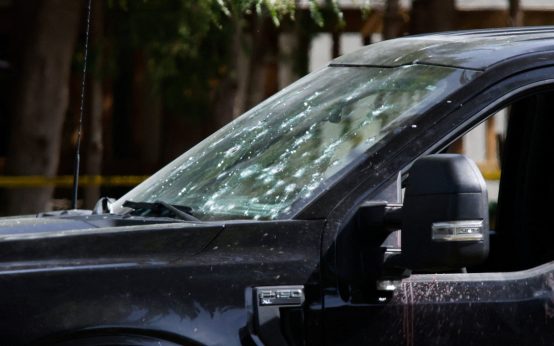 Ontario Synagogue Shooting During Yom Kippur Leaves One Officer and Shooter Injured
 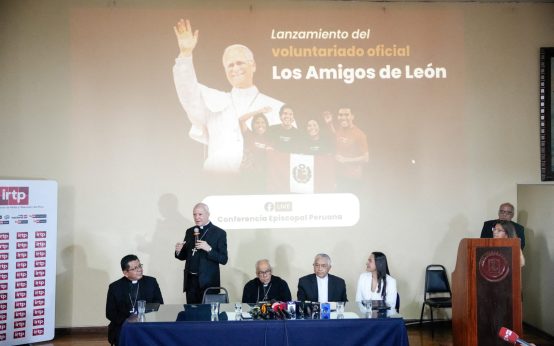 Pope Leo XIV’s Upcoming Visit to Latin America: An Overview
 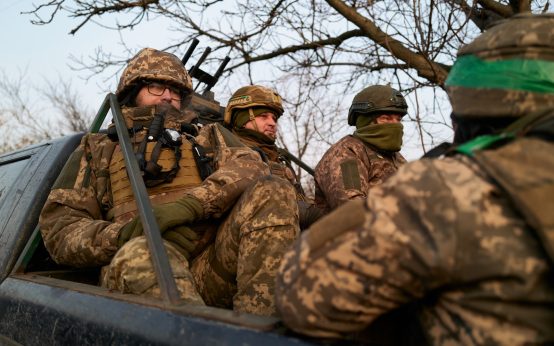 Ukraine Deploys Ground Robots in ‘Operation Vivaldi’
  Understanding AI’s Impact Compared to Historical Threats
  State Department Alerts on Middle East Travel Amid Rising Tensions