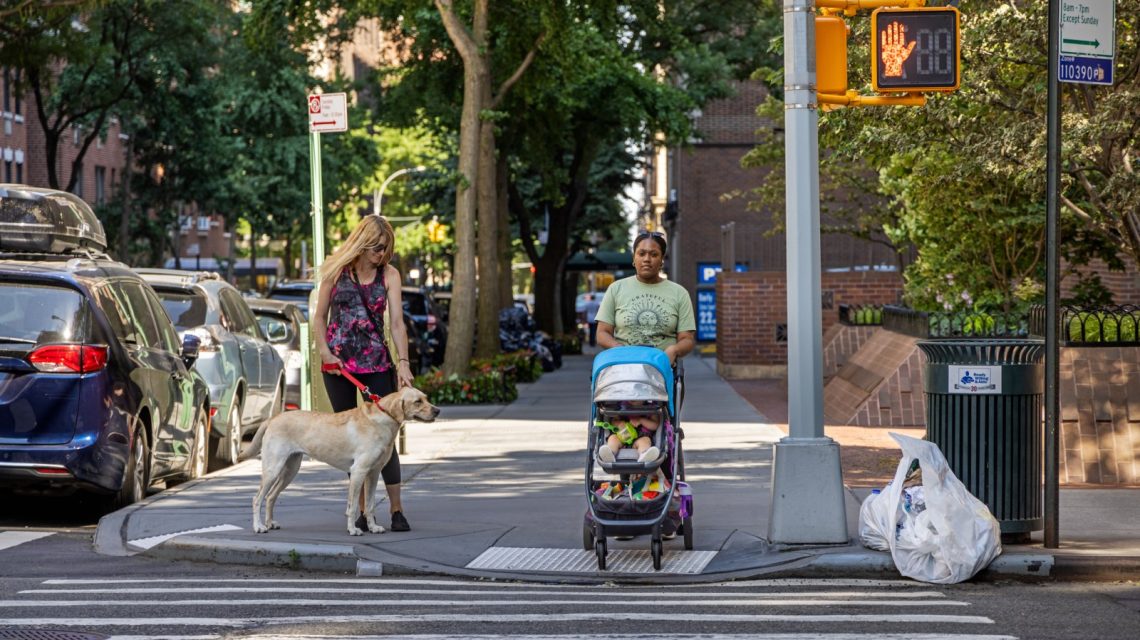
The Trump administration has introduced proposed modifications to the J-1 Exchange Visitor Program, potentially affecting thousands of au pairs and the American families hosting them. The changes include new requirements for program extensions and stricter participant status regulations in the United States.
Proposed Changes Overview
The U.S. State Department’s proposal aims to update long-standing regulations for J-1 visa holders. A primary change for au pairs involves a requirement for sponsors to submit extension requests at least 90 days prior to the program expiration. This would replace the current au pair-specific process allowing requests up to 30 days before the end of their initial stay.
The proposed rule is part of a broader effort to tighten control over temporary visa programs while updating regulations designed for a pre-digital era. Officials reached out to the State Department and Department of Homeland Security (DHS) for comments.
Impact on Au Pairs
Under the proposed changes, au pairs would experience:
- Requirement to file extension requests 90 days in advance
- Retention of the existing 6-, 9-, and 12-month extension options
- Requirement for sponsors to verify the completion of educational requirements
- Potential termination for unauthorized work, false information, or visa revocation
- Provision of 10 days to challenge specific termination decisions
- Stricter administrative tracking and compliance via SEVIS
Currently, au pairs gain status in the U.S. through the J-1 Exchange Visitor Program, allowing them to live with American families, provide childcare, and participate in a cultural exchange.
New Compliance and Status Rules
The proposal grants the State Department increased authority to terminate a participant’s exchange program under certain conditions, such as unauthorized employment, false information on applications, or visa revocation. Participants would receive written notice and an opportunity to contest a proposed termination before a final decision.
Officials emphasize that the updates aim to enhance visitor welfare, program integrity, and national security. Additionally, the proposal introduces definitions for “unauthorized employment” and “valid program status,” while simplifying error correction in SEVIS records. Sponsors typically have 30 days to resolve record issues before needing formal reinstatement from the State Department.
Importance for Host Families
The changes follow a period of uncertainty for the au pair program under the Trump administration. In 2025, visa processing for J-1 exchange visitors was temporarily paused as officials reviewed screening procedures, raising concerns among families depending on foreign au pairs for childcare. This move also worried exchange-program advocates, who feared disruptions in travel plans would leave parents seeking alternatives.
Advocates indicated that in 2023, over 21,000 au pairs participated in the U.S. program, and about 348,000 people entered through various J-1 categories. Supporters assert that the program is vital for working families’ childcare needs, while critics call for enhanced oversight in the broader J-1 system.
Next Steps
The State Department is open to public comments on the proposal for 60 days after its publication in the Federal Register. Decisions on finalizing the rule will follow this period.
If implemented, the changes would impact designated sponsor organizations, current participants seeking extensions, and host families planning a second year with an au pair. The 90-day filing timeline for extensions could require families to decide on extending an au pair’s stay much earlier than current rules allow.
 Republican Senator Criticizes Trump’s $5,000 Check Proposal
  Trump’s Approach to Iran at the United Nations
  Trump’s Triumphal Arch Controversy
  Concerns Over Abdul El-Sayed’s Potential Senate Role and National Security
  Kentucky Governor Andy Beshear Discusses Tariffs, Faith, and Political Ambitions
  Sunday Highlights: Lane Kiffin, Nancy Mace, and College Football Drama