Negotiations between the SEC and Big Ten over the Protect College Sports Act have been intense, with the final days before senators could bring the legislation to the floor for a vote being particularly critical. Late-night discussions involving senators, the White House, and athletic conferences highlighted the urgency of reaching a version of the bill that all parties could support.
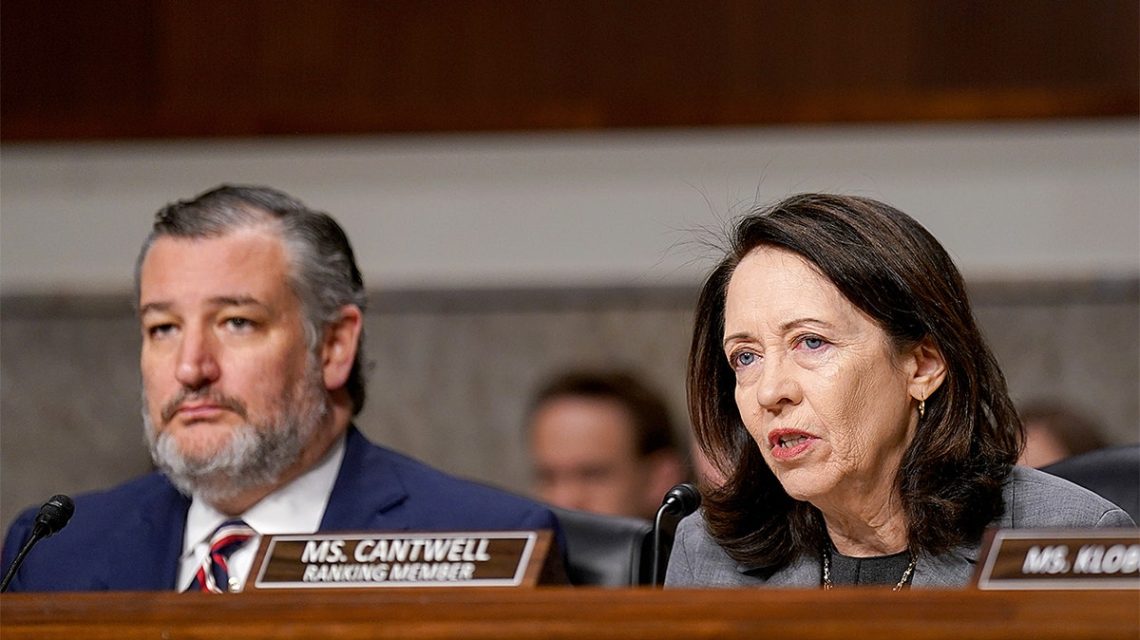
The time constraints were real, making each contentious Zoom meeting or phone call over the past five months crucial. Senators Ted Cruz of Texas and Maria Cantwell of Washington, alongside Eric Schmitt from Missouri, have spearheaded efforts to present a bipartisan bill satisfying major stakeholders. The stakes are high, with impacts on women and Olympic athletes and the bill nearing the President’s desk, as noted by Senator Cantwell.
Throughout the country, intense discussions occurred. Tony Petitti, Big Ten Commissioner, stayed in constant communication with conference officials, talking with SEC Commissioner Greg Sankey multiple times on a single day. Meetings and calls continued, with significant scheduling challenges and simultaneous gatherings among various conferences.
President Trump’s active engagement in negotiations also came into focus. The White House expressed commitment to saving college sports, wanting the bill passed. Randy Levine of the New York Yankees and Texas Tech booster Cody Campbell aggressively pushed from the committee’s standpoint.
The White House has actively followed these negotiations, with the President directly involved in enabling a permanent solution to challenges facing college sports.
The urgency before the annual summer recess became crucial, with Senate Majority Leader John Thune expressing doubts about the timeline, sparking more urgency among involved parties. Conference leaders began lobbying senators across their states to support the bill, finally achieving progress on Friday evening with SEC and Big Ten commissioners’ joint press conference.
There was acknowledgment of the complexity involved in supporting federal legislation affecting collegiate sports. A Power-4 school president noted the balancing act required between athletics and university operations, especially as students return for the academic year.
Key negotiation points have been hashed out:
- Multimedia Rights deals for athletes included in caps.
- An attestation process ensuring deals are not directly funded by the schools.
- The enforcement of a limited antitrust exemption related to the transfer and eligibility rules.
- Strengthened rules against tampering, outlining procedures and penalties.
- An increased retention pool allowing athletic departments to retain athletes on rosters.
- Setting conference member limits, impacting team additions.
- A transition rule for schools changing conferences requiring a period as independents.
- The Lane Kiffin Rule prohibiting premature coach departures.
As the August recess approaches, Senate Majority Leader John Thune’s role is crucial for bringing the bill to cloture. The urgency prevails with the SEC and Big Ten aware of time constraints. Once Congress returns post-recess, the chances of the bill moving forward diminish, and sports fans grow restless for its conclusion.
Compared to earlier in the week, optimism surrounds the Protect College Sports Act reaching the House despite earlier doubts about its Senate prospects.
 Challenges Facing the Supreme Court’s Public Perception
  California Democratic Aide Arrested for Visa Overstay by Federal Authorities
  Experts Doubt Export Ban Will Lower Fuel Prices
  Trump Delivers Warning to Iran, Cuba at UN General Assembly
  Trump Delivers Stern UN Speech on Iran, AI, and Global Security
  Lukashenko and Putin’s Unique Relationship and Belarus’ Strategic Role