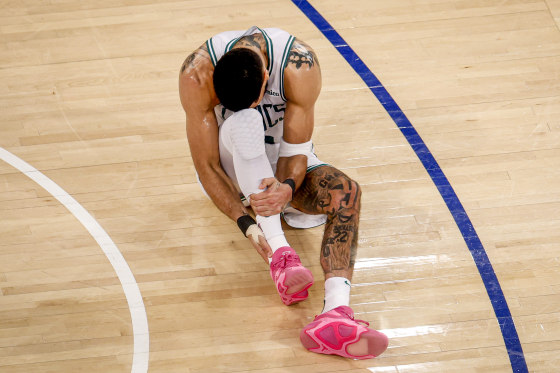
The Achilles tendon rupture stands as one of the most severe injuries in basketball. This sudden event can radically alter the course of a player’s career and shatter the hopes of fans.
A recent study provides insights into the risk factors associated with Achilles injuries. Data revealed that basketball players often exceed their usual minutes on the court in the 10 to 15 games leading up to a rupture. This pattern suggests heightened stress on the Achilles, increasing the likelihood of injury.
The impact of such injuries isn’t limited to physical pain; the emotional toll can be significant. Fans feel the loss just as acutely when they see key players sidelined.
An illustrative example occurred when Boston Celtics forward Jayson Tatum experienced his Achilles injury during Game 4 of the NBA Eastern Conference semifinal against the New York Knicks at Madison Square Garden. The injury underscores the unpredictability and severity of tendon issues in high-intensity sports.
For those involved in basketball, awareness and prevention of overuse during games might mitigate the risk of this debilitating injury. Monitoring player minutes and ensuring adequate recovery could be key strategies in safeguarding athletes from potential Achilles ruptures.
This understanding can play a role in both team strategies and fan expectations, as the sport continually strives to reduce injury risks.
 Discussion on NFL Draft Comparison and Simone Biles’s Car Issue
 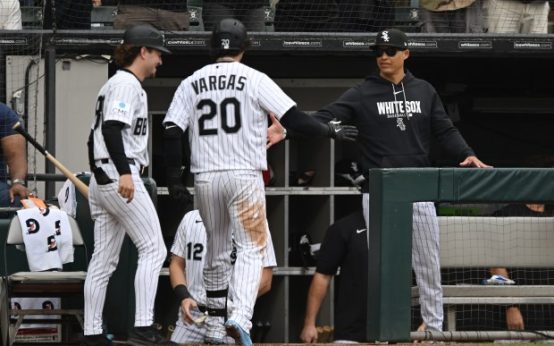 Chicago White Sox’s 2026 Success and Team Dynamics
  Recall of Meat Products from Star Meat Delivery Inc.
 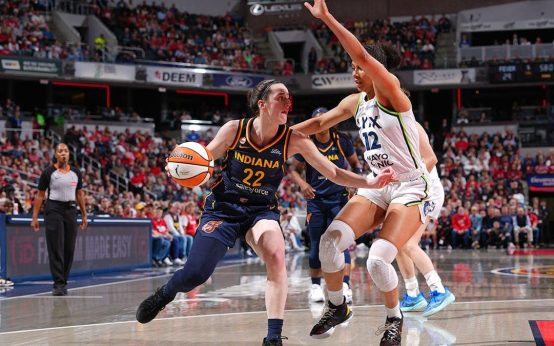 Indiana Fever Bounce Back with Win Against Minnesota Lynx
  Questions Arise After Presley Gerber’s Death in Rehab
  Kurt Angle Reflects on His TNA Wrestling Career