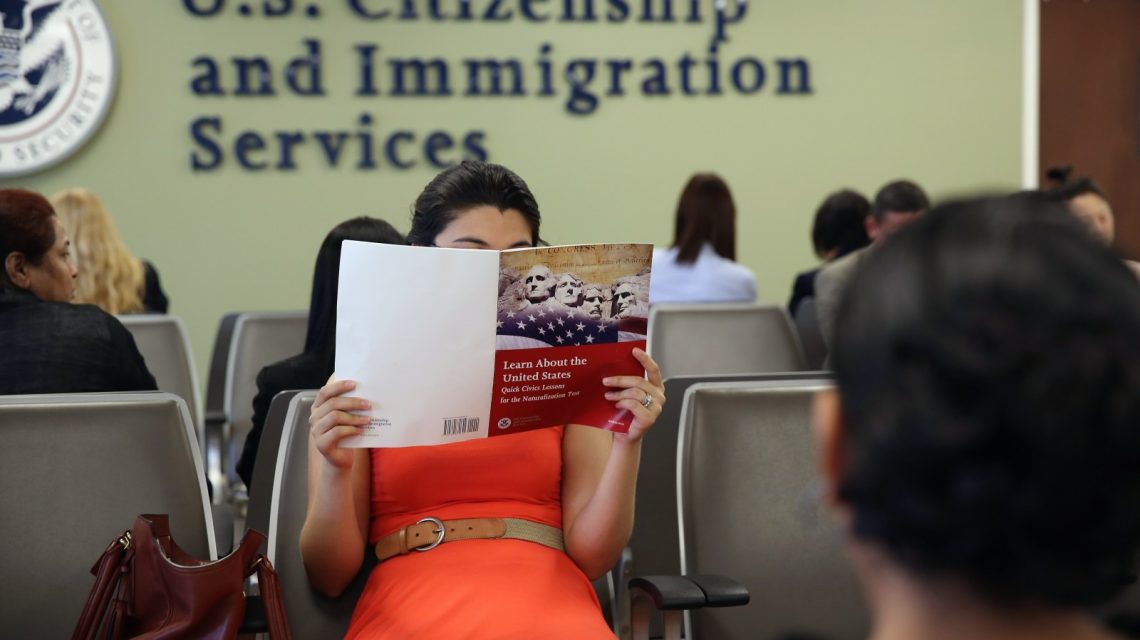
Some of the largest users of the H-1B visa program could face increased immigration costs as a result of a proposed Department of Homeland Security (DHS) rule. The rule aims to extend a current $4,000 government fee to visa renewal petitions.
The proposal has reached the final-rule stage and seeks to implement a 2015 law that expanded the fee’s application. It will not introduce a new fee or raise current charges. Instead, it will cover additional visa extension petitions.
Adam Klein, a former DHS official, indicated significant financial impacts for high-volume H-1B and L-1 sponsors once this rule takes effect. For instance, a company filing 1,000 H-1B extensions might pay $4 million more in fees.
DHS has not yet finalized the rule or set an effective date. The final language is still under review. A U.S. Customs and Border Patrol spokesperson stated that public feedback is being evaluated, and no publication date has been determined.
Companies Likely to Be Affected
The rule could substantially impact companies filing numerous H-1B extension petitions. According to U.S. Citizenship and Immigration Services, companies like Amazon, Tata Consultancy Services, Infosys, Apple, and Microsoft are primary users of H-1B petitions but will only be affected if they meet specific thresholds.
The H-1B visa program enables U.S. firms to employ foreign professionals for specialized roles that usually need a bachelor’s degree. The L-1 visa permits multinational firms to transfer personnel with specialized knowledge to the U.S.
While the visa is prevalent in tech, engineering, healthcare, and finance, some argue it undercuts American workers by lowering wages and that it can be susceptible to fraud. Proponents say it fills challenging-to-fill domestic roles.
Past Changes to H-1B Visa Program
The Trump administration attempted various changes to the H-1B visa, including proposals to raise costs and alter allocation methods. Among the initiatives was a $100,000 fee proposal for certain new H-1B petitions, which faced legal blocking. The administration also aimed to replace the traditional lottery with a wage-based selection system favoring higher-paid applicants.
The rule targets companies with over 50 U.S. employees, with more than half holding H-1B or L-1 status, mainly affecting major IT consultancies and outsourcing firms.
Klein noted that the cost increases might affect workforce planning, immigration budgets, and employee sponsorship choices. The rule might primarily impact retention since it transforms extension fees into recurring costs.
“Applying the fee at renewal turns what was principally a hiring cost into a recurring cost of keeping that employee,” Klein explained.
 Congressman Randy Fine’s Bold Political Stance and Views on AI Regulation
  Political Messaging and Strategy Leading Up to Midterms
  President Trump Proposes ‘Super Intelligence’ as New AI Term
  Trump Administration Considers Diesel Export Ban Amid Rising Prices
  Texas Senate Race Tightens with Shifting Youth Support
  Flight 93 Hero’s Father Criticizes Ties Between Hasan Piker and Abdul El-Sayed