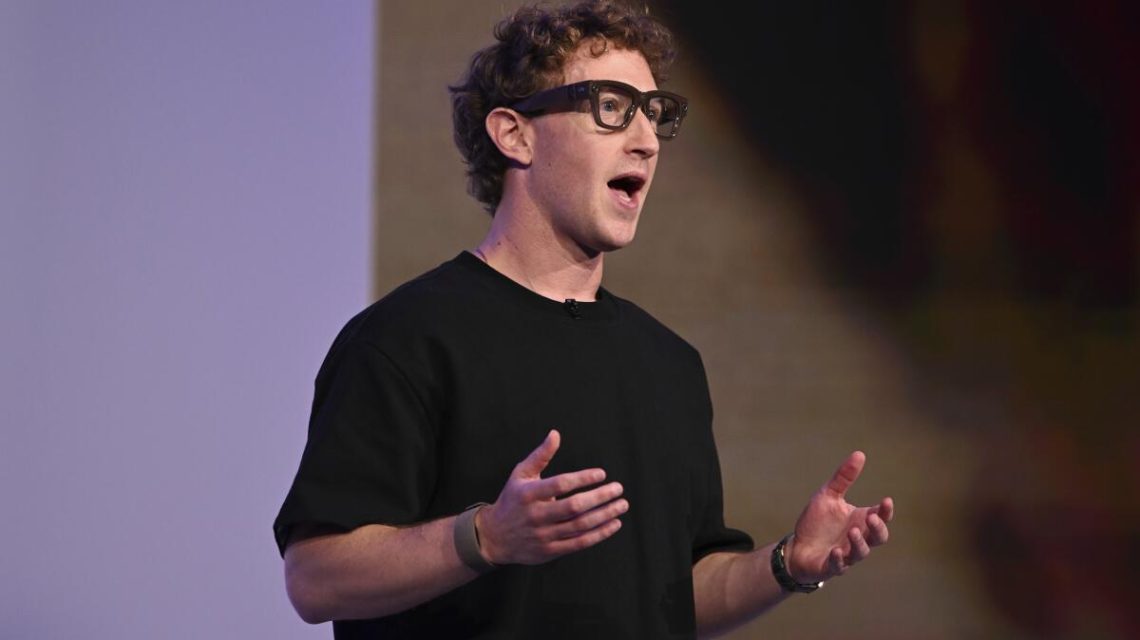
Meta aims for widespread success with its smart glasses, but concerns are making headlines. These devices dominate the market, facilitating photo and video capture, music streaming, call handling, and AI assistant interaction.
However, some misuse affects its reputation. Individuals secretly record others without consent, especially in social situations, and share these interactions online. This raises worries about privacy in gyms and personal settings.
Meta now updates its glasses to counter privacy threats. Bans in some locations intensify concerns over rapidly developing technology. According to Jitesh Ubrani from IDC, it’s uncertain if these issues will impact sales, but they can affect consumer interest.
Artificial intelligence’s expansion into hardware stirs debate, says eMarketer analyst Jacob Bourne. This affects perceptions of smart glasses. Incidents, like Gaby Luisa’s encounter at a club where she was recorded without consent, emphasize the secrecy behind these gadgets.
Meta sells these glasses through various outlets, with prices ranging between $224 and $800. Collaborations with Ray-Ban, Oakley, and celebrities like Kylie Jenner and Jennie from Blackpink enhance their market presence. As of the first quarter, Meta holds 69% market share, with sales tripling year-on-year.
Despite features like a flashing white light to indicate recording, users disable it, recording furtively. Viral videos of unwittingly filmed interactions in public places amplify concerns. While presented humorously, those filmed often remain uncomfortable and unaware.
Public figures echo these concerns. Jimmy Kimmel brands them ‘pervert glasses’; Lorde dismisses them at concerts. Meta’s spokesperson claims they’re beneficial for music, translation, and calls. Recent updates disable the camera if tampered with, with promises for future improvements. CEO Mark Zuckerberg showcased these glasses at the 2025 Connect conference.
Instagram, under Meta’s wing, removes accounts and videos violating harassment policies. Competition from Apple, Google, Samsung, and Snap suggests potential market growth, but privacy challenges loom. In April, 70 organizations urged Meta against facial recognition in such devices, citing privacy risks. Meta remains undecided and promises transparency.
Smart glasses have faced scrutiny before. Google Glass wearers faced criticism, earning them the nickname ‘Glassholes.’ Snap’s attempt with $2,195 glasses failed too. Public resistance leads users to rethink where they wear these devices.
Ben Cook from New York enjoys music and calls with his glasses but avoids social settings due to ‘spy glasses’ queries. A February court trial in Los Angeles County saw judge Carolyn B. Kuhl prohibit their use to protect jury identities.
The University of San Francisco issued warnings last year about a man using Meta glasses inappropriately. Businesses like 5 Point Cafe in Seattle have banned them, calling for privacy over ‘surveillance.’ Meanwhile, an app by Yves Jeanrenaud alerts users to nearby smart glasses, downloaded over 110,000 times. The need spans diverse users seeking to maintain privacy.
Jeanrenaud highlights the societal issue of privacy degradation, attributing technology like smart glasses as amplifiers.
 First Lady Melania Trump’s AI Education Push Amid Concerns
  Expansion of Data Centers Fueled by AI Development
  Beijing’s Tactical Undermining of U.S. Supremacy Through AI
  Controversy Surrounds Automated License Plate Readers Across the U.S.
  Trump and Harp Sued Over Truth Social Subscriber Program
  Implications of AI in College Admissions