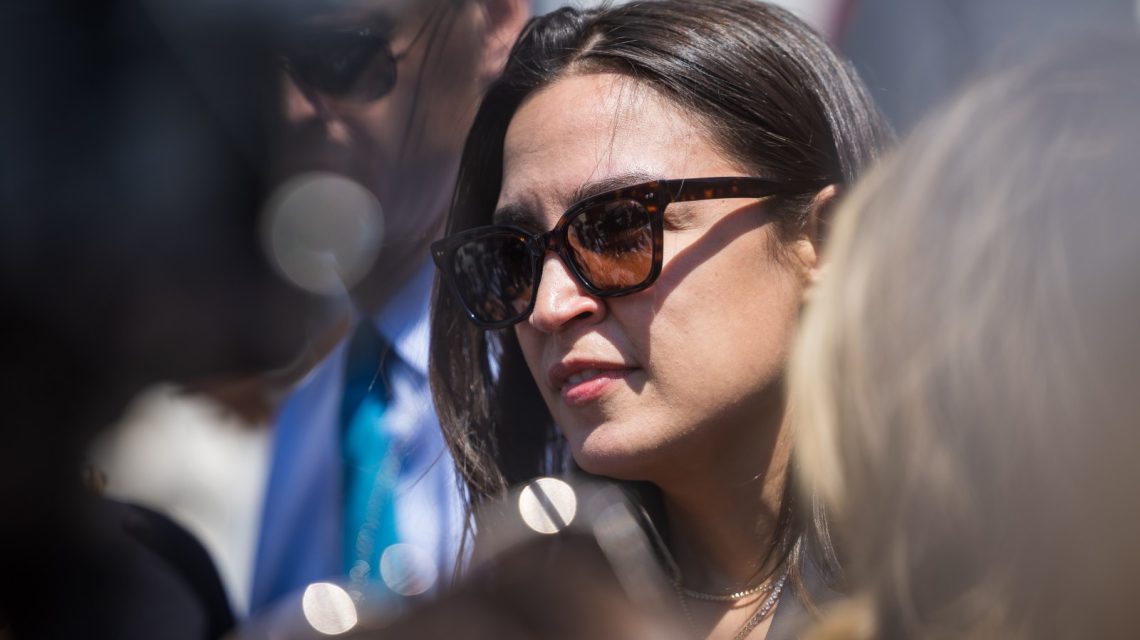
Generational Influences in Politics
Representative Alexandria Ocasio-Cortez recently highlighted a major factor behind progressive Democratic primary victories. She emphasized a significant generational shift among voters during an appearance on ABC News’ This Week. The New York Democrat attributed recent successes, including Michigan Senate nominee Abdul El-Sayed’s victory, to this transformation.
Ocasio-Cortez described this change as a “generational tidal wave” impacting the electorate and influencing the Democratic Party’s power dynamics. Critics of progressive movements often question their compatibility with swing-state voters, citing their policies on government spending and climate issues.
Despite criticisms, a University of New Hampshire Survey Center Granite State Poll suggests growing support for Ocasio-Cortez. The poll, among likely 2028 Democratic primary voters, placed her in the lead with 22% support, marginally ahead of Pete Buttigieg at 21%.
Progressive Victories Challenging the Status Quo
Recent progressive primary victories have unsettled moderates in the Democratic Party and concerned Republicans. In Michigan, Abdul El-Sayed’s win over Representative Haley Stevens evidenced that left-wing candidates can succeed beyond urban Democratic districts.
Ocasio-Cortez stated that Millennial voters, no longer seen as “punk kids,” are becoming a decisive force in elections. Frustration among younger voters stems from feeling ignored and burdened by previous generations’ economic and climate policies.
This generational engagement raises debate within the Democratic Party as midterms and the 2028 presidential cycle approach. Some centrists express concerns about democratic socialism’s impact, while groups like Third Way are investing to counter this movement. Ocasio-Cortez argues for prioritizing voter impact over political labels.
Democratic Party Experiencing ‘Renewal’
Commenting on recent primary outcomes, Ocasio-Cortez views them as signs of the Democratic Party’s renewal. She celebrated a young, energetic electorate and emerging candidates injecting new energy into the party.
Rejecting notions of division, she maintained party unity around working-class issues such as housing, healthcare, and affordability. According to Ocasio-Cortez, the rise of progressive candidates reflects demographic and voter engagement changes, surpassing traditional ideological divides.
Poll Insights on Public Views
A Marquette Law School poll illustrates a complex view of democratic socialism. The Democratic Socialists of America (DSA) are perceived less favorably than MAGA. However, individual democratic socialist politicians receive slightly better favorability ratings.
Bernie Sanders and Ocasio-Cortez, notable figures within the movement, maintain varying levels of public favorability. Despite differing views, the poll exposes an overarching unfavorable perception of politicians across the board, including former President Trump.
The poll surveyed 1,076 adults nationwide, aiming to differentiate perceptions of the DSA organization from individual candidates.
Upcoming Political Tests
The next significant test for DSA will occur in the Wisconsin governor’s race. Candidate Francesca Hong is leading in polls ahead of the Democratic primary, positioning this race as an important battleground for the movement.
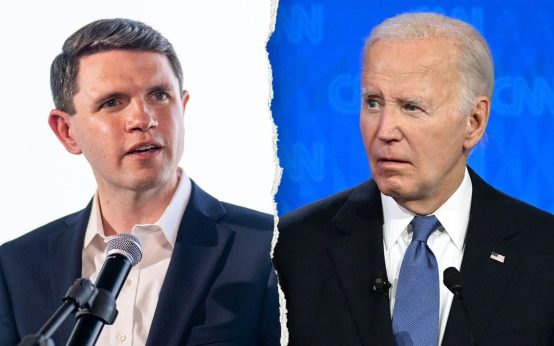 Texas Democrat Senate Candidate James Talarico’s Changing Border Security Stance
 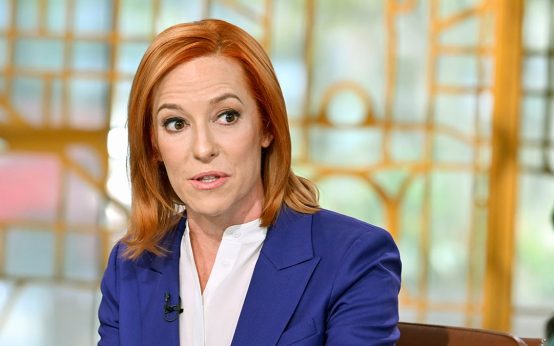 Controversy Surrounds New White House Press Secretary Katie Zacharia
 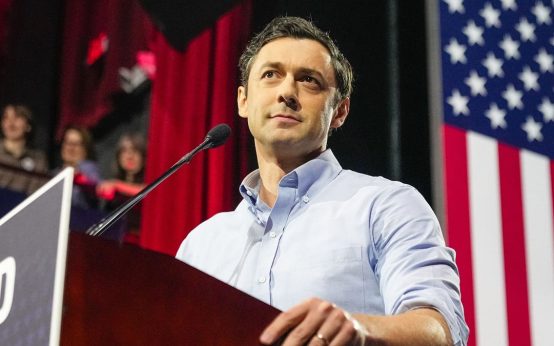 Sen. Jon Ossoff Addresses 2028 Presidential Bid Speculation
  Cancellation and Allegations: The Eric Deters and Kimberly Guilfoyle Saga
  Record Early Voting in Georgia Midterms Amid Political Campaigns
  New York Governor Debate: Blakeman and Hochul Clash Over Issues