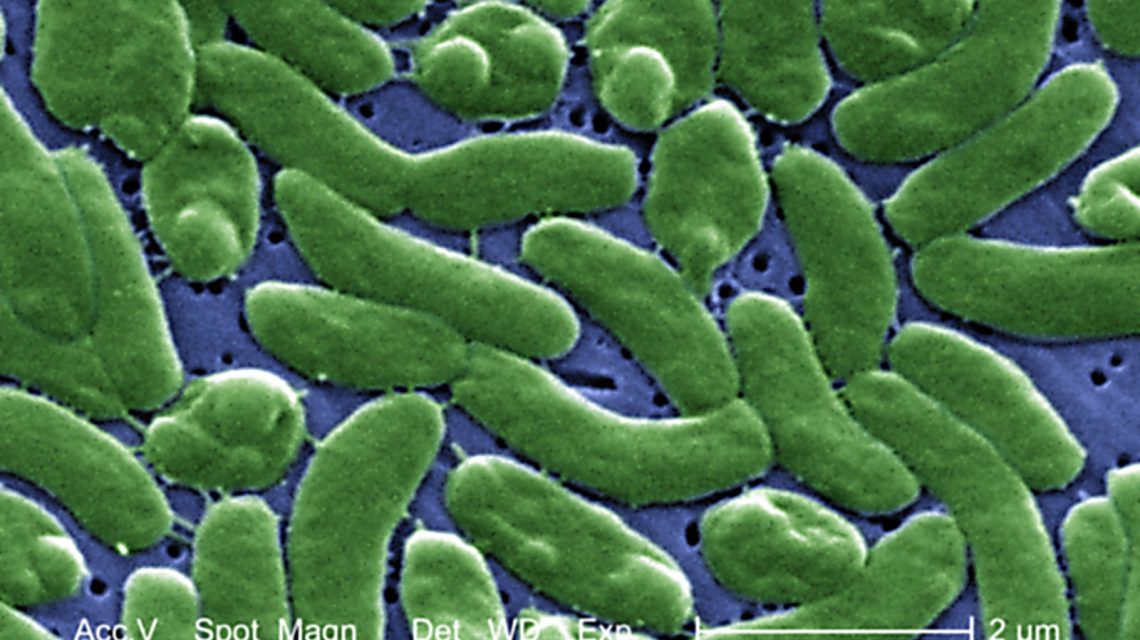
A strong El Niño event could foster conditions conducive to Vibrio vulnificus growth, a bacterium linked to severe infections. Experts advise that this climate pattern should not be solely linked to increased cases.
Current Situation
This year, at least six fatalities in Louisiana and Florida have been linked to Vibrio infections. Reports of cases and health warnings have emerged across several states.
Understanding El Niño
El Niño is a recurring climate phenomenon characterized by unusually warm sea surface temperatures in the central and eastern equatorial Pacific. It can influence global weather patterns, affecting rainfall, winds, storms, and temperatures, although its impact varies by region and event.
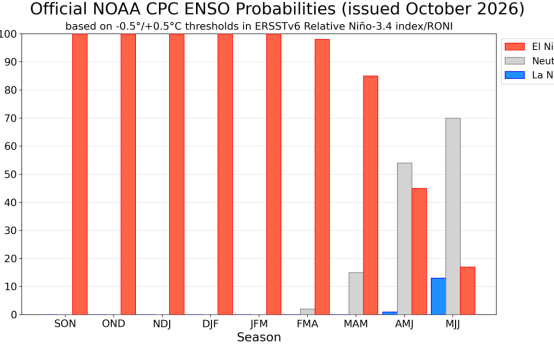
According to NOAA’s Climate Prediction Center’s July 9 update, a strong El Niño advisory remains active, with an 81% chance of a very strong event expected between October and December 2026. There is a 97% probability that El Niño will persist into early spring 2027.
Potential Impacts on Vibrio Vulnificus
Research microbiologist Craig Baker-Austin suggests El Niño could indirectly elevate Vibrio vulnificus risks by altering coastal conditions. The bacterium thrives in warm, brackish waters, particularly with high sea surface temperatures and optimal salinity ranges. Studies indicate warmer waters in the Gulf of Mexico and Chesapeake Bay lead to higher bacterium concentrations and human infections.
El Niño years often result in increased sea surface temperatures in U.S. coastal areas, affecting rainfall, river discharge, and storm activities, potentially enhancing habitat suitability for V. vulnificus. These environmental changes might extend the risk period and increase bacterial concentration in coastal regions.
Human behavior also plays a role, as more people enter the sea during warmer periods, increasing exposure risks.
Regional Concerns
The Gulf Coast, especially Florida, Louisiana, Texas, Mississippi, and Alabama, is highly vulnerable due to favorable warm, brackish conditions. These areas account for most U.S. cases. However, rising coastal waters are increasingly affecting Mid-Atlantic and Northeastern states like North Carolina, New York, and Connecticut. Climate shifts are expected to continue broadening suitable habitats for V. vulnificus.
Epidemiology professor David Fisman noted that warmer temperatures directly contribute to more abundant bacteria, posing risks in traditionally cooler regions, such as the Pacific Northwest, British Columbia, and Alaska. Louisiana and Florida may experience less impact from warming.
Professor Jaime Martinez-Urtaza highlighted that El Niño impacts vary, with greater influence on the Pacific coast than Gulf or Atlantic waters due to the absence of a direct oceanic path from the tropical Pacific.
Understanding Vibrio Vulnificus
Vibrio bacteria thrive in coastal waters, particularly from May to October when waters are warmer. The CDC states that infections may occur through consuming raw or undercooked shellfish or when open wounds contact salt or brackish water.
V. vulnificus causes severe infections, requiring intensive care or even limb amputation. The mortality rate is about 20%, often within days. Higher risk groups include individuals with liver disease, cancer, diabetes, HIV, thalassemia, weakened immune systems, or those with reduced stomach acid or recent gastric surgery.
 Missouri Tigers Freshman Undergoes Heart Transplant
  Erosion of Global Public Health and Its Impact on U.S. Interests
  How a Neuroscientist’s Diet Battles Decision Fatigue
  Monarch Butterflies Flourish in Illinois’ Managed Right-of-Ways
  The Importance of Prednisone in Treating Severe Health Conditions
  El Niño Strengthens to Historic Levels: What to Expect This Season