Lake Powell, the second-largest reservoir in the United States, is experiencing record low water levels. This concerning development signals a deepening crisis within the Colorado River system. The situation at Lake Powell became severe this Saturday, just a week after Lake Mead, another major reservoir in the area, also hit new lows. These dropping water levels directly threaten the Colorado River Basin, an essential resource for wildlife, hydropower, and over 40 million people across seven U.S. states.
States heavily dependent on the river, including California, Arizona, Nevada, New Mexico, Utah, Wyoming, and Colorado, are currently negotiating a long-term management strategy to tackle the crisis. Persistent excessive usage, coupled with an exceptionally dry winter and increasing temperatures, are contributing to Lake Powell and Lake Mead’s shrinking volumes.
Recent data from the U.S. Bureau of Reclamation noted Lake Powell’s elevation at 3,519.91 feet (1,072.9 meters) above sea level this Saturday. This figure marks a slight drop below the previous record set in April 2023. Since the beginning of the year, Lake Powell has lost over 20 feet (6.10 meters) of its water level, according to USBR.
The reservoir now stands about 30 feet (9.1 meters) away from the point where hydroelectric turbines will cease operation. Federal authorities indicated in April the necessity for a “major intervention” to prevent reaching this critical limit before this year’s end. In July, USBR introduced a 10-year proposal suggesting significant potential water reductions for Arizona, California, and Nevada.
The crisis, however, is not new. Both Lake Powell and Lake Mead are at their lowest in nearly 70 years. Data from USBR indicates continued depletion is possible. The reservoirs haven’t experienced such minimal storage since May 1957, when Glen Canyon Dam, responsible for holding Lake Powell, was under construction. Powell began to accumulate water in 1963.
Tourism around Lake Powell is also severely affected by these water shortages. Reservoir marinas have had to adapt, with existing boat ramps closing or relocating, new ramps constructed, and marinas temporarily moved to deeper areas.
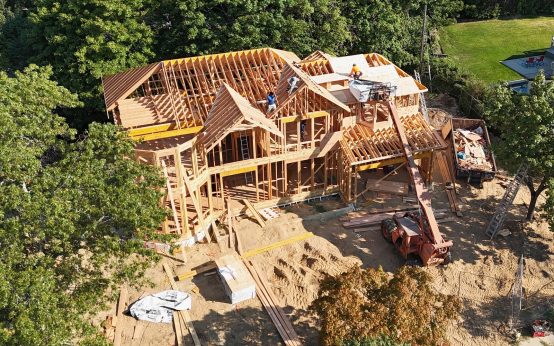 Architects Warn of Housing Challenges Amid Climate Change and AI Concerns
 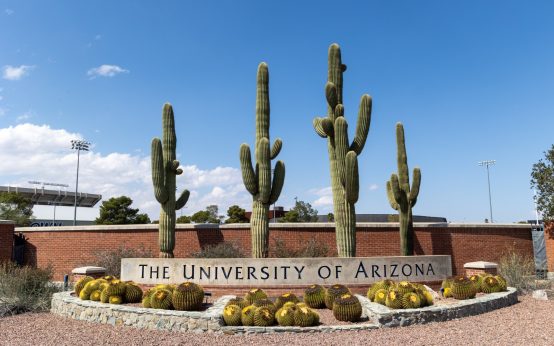 University of Arizona Suspends Six Fraternities Amid Investigations
  British Airways Flight Makes Emergency Return to Heathrow
  Impending Hurricane and SEC Football Game: Decisions Await
  How Little Brown Bat Genes Are Outsmarting a Fungal Killer
  Susan Collins and Troy Jackson Clash in Maine Senate Debate