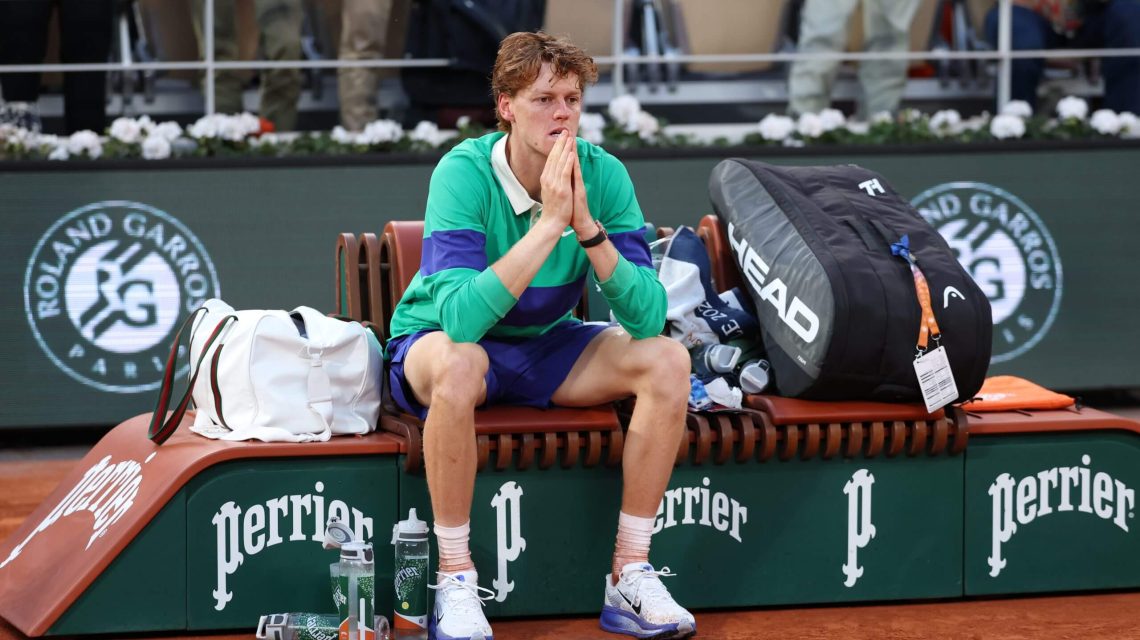
In Paris, this weekend, two men and two women have a singular task ahead. They must seize the biggest opportunity of their tennis careers and close out a match to win a Grand Slam title. This test weighs heavily on the minds of Mirra Andreeva, Maja Chwalińska, Alexander Zverev, and Flavio Cobolli. At the French Open, even seasoned players have struggled, and this year is no exception.
The Challenge in Tennis
For years, the French Open has tested the ability of world-class players to convert match points into championships. Last year’s men’s final is a memory for Jannik Sinner as he watched a two-set lead dissolve against Carlos Alcaraz. After losing decisively to Juan Manuel Cerúndolo this year, Sinner finds camaraderie in the locker room with those sharing similar fates.
American players Tommy Paul and Frances Tiafoe have also faced this battle. Paul let slip two match points in his match against Casper Ruud. Tiafoe lost his lead against Matteo Arnaldi, illustrating how tentativeness can lead to defeat.
Strategies and Mental Hurdles
Coco Gauff, the defending champion, faced her own hurdles. Against Anastasia Potapova, she could not hold her nerve in the critical closing moments. “When momentum is with me, I need to keep pushing,” Gauff admitted. This mental transition is tough, especially when players like Potapova perform without inhibition.
The mental aspect of closing in tennis is an intricate puzzle. Each point’s significance can vary wildly depending on the match situation. Game point, set point, and match point are never just one point. They carry psychological weight and potential legacy.
Learning from Past Experiences
Jannik Sinner has become a formidable closer, using previous losses as motivation. Coaches emphasize courage in crucial moments, a mindset that can alter outcomes. This year, Sinner won Wimbledon after trailing a set, illustrating his growth.
Different players approach closing games with varying strategies. When Anna Kalinskaya faced off against Potapova, she focused on keeping her mobile. The strategy paid off as Potapova showed signs of fatigue and frustration.
The Pressure and the Close-Out
For Aryna Sabalenka, a lapse in concentration against Diana Shnaider resulted in a squandered lead. She reflected on how overthinking led to missed opportunities. The other player gains confidence, turning more aggressive as the leader falters.
Cobolli had his share of stress, nearly losing control against Zachary Svajda. Admitting to overthinking, Cobolli’s candid post-match comments illustrate a common challenge many players face.
Future Challenges
As Zverev, a favorite now, prepares for another Grand Slam attempt, his past experiences accompany him. Having played over 800 matches, he aims to harness this experience and prevent a repeat of past close matches that slipped away.
His approach focuses on the fundamentals, like concentrating on the serve when stress peaks. Zverev’s journey underscores the tension players face as each attempts to navigate the fragile moment of turning match point into victory.
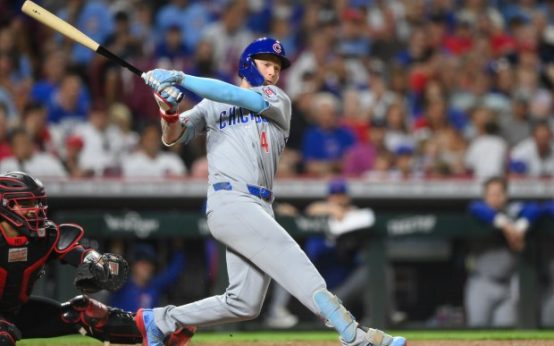 Cubs Face Missed Opportunities in Loss to Reds
  Teen Pickleball Star Elsie Hendershot Faces Busy Schedule
 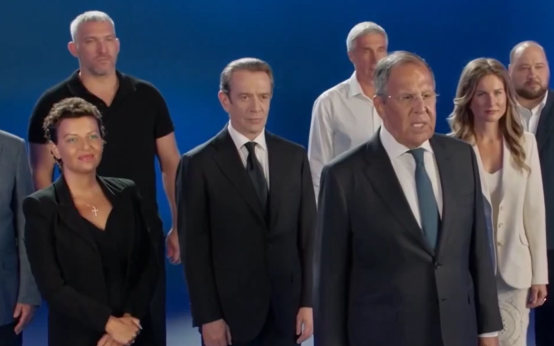 Criticism Surrounding Alex Ovechkin’s Political Appearance
 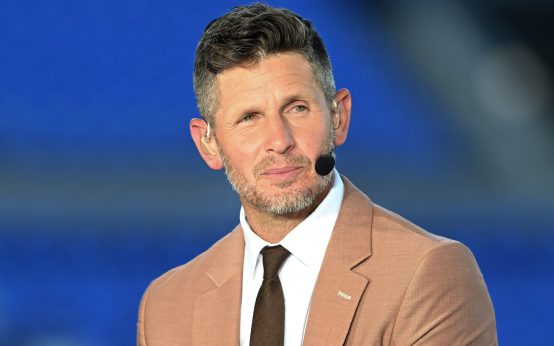 Dan Orlovsky Defends Justin Herbert Amid Criticism
  Buffalo Bills Outshine Detroit Lions with Strong Offensive Performance Despite Injury Setback
  Sophie Cunningham Addresses Misinterpretations Over Praise for Teammates