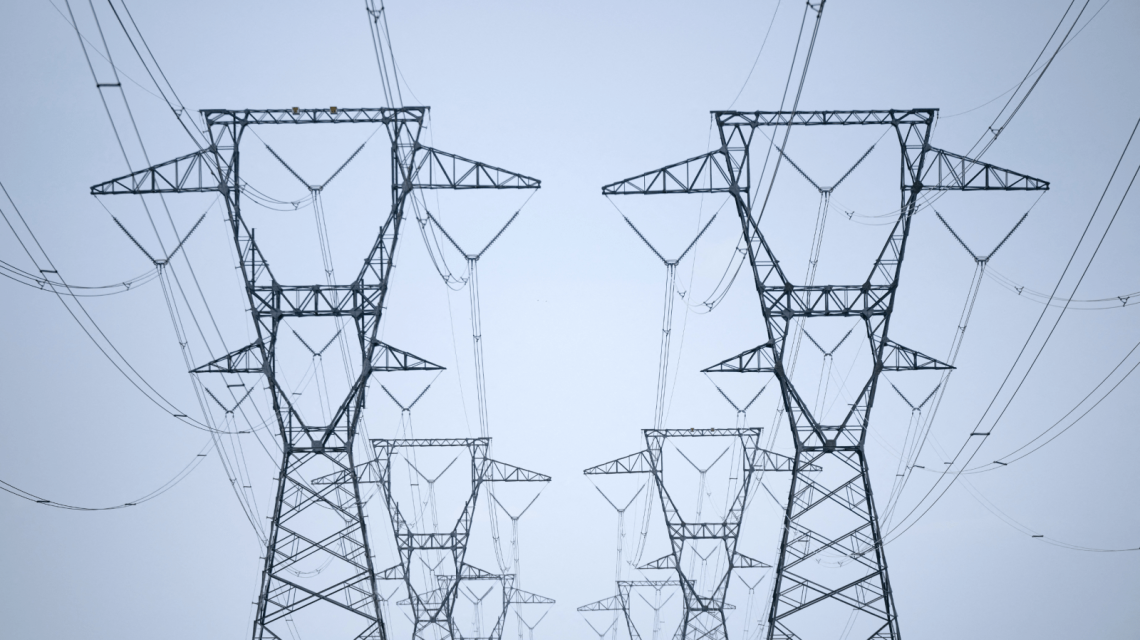
A new bill introduced in Congress aims to impose a federal tax on electricity consumed by large data centers. The initiative argues that communities should not shoulder the costs associated with the artificial intelligence boom while tech companies enjoy the benefits.
Details of the Legislation
Known as the Data Center Community Reinvestment Act of 2026 (H.R. 10102), the bill was presented by Representative Andrea Salinas, an Oregon Democrat, on August 13. The proposal suggests a 1-cent-per-kilowatt-hour excise tax on electricity for data centers exceeding 1 megawatt of power capacity. The collected revenue would be allocated to housing, conservation, environmental cleanup, transportation, and energy-related programs.
Rationale Behind the Bill
A December 2024 report from the Department of Energy (DOE) highlighted that U.S. data centers consumed approximately 176 terawatt-hours of electricity in 2023, which is about 4.4 percent of the total U.S. electricity consumption. By 2028, this consumption is projected to increase to between 325 and 580 terawatt-hours, potentially accounting for up to 12 percent of all U.S. electricity use.
Representative Salinas stated that the expansion of artificial intelligence is exerting increasing pressure on local infrastructure and power systems. “With AI use expanding and data center demand growing, it’s crucial to ensure our communities do not bear the financial burden,” she noted.
Her office estimates that the tax could generate roughly $1.76 billion annually, dividing the funds among several trusts:
- Land and Water Conservation Fund
- Housing Trust Fund
- Hazardous Substance Superfund
- Highway Trust Fund
- New Energy Technology Trust Fund
Impact on Electricity Bills
The bill does not aim to directly reduce American electricity bills. Its focus is on addressing concerns that rapid data center growth may strain local grids and contribute to increased energy costs. Supporters argue that the measure ensures companies responsible for the increased demand contribute to the associated public costs.
The proposal aims to protect consumers from higher monthly power costs by taxing large data centers on their power consumption, thereby ensuring broader economic benefits from AI growth. However, energy experts caution that electricity prices are determined by many factors, and the bill’s impact on consumer bills is uncertain.
Other Legislative Efforts
H.R. 10102 is one of several efforts to address AI infrastructure growth. The Data Center Water and Energy Transparency Act of 2026, introduced last month, mandates energy and water consumption reporting by operators. Another proposal, the Preventing Rate Inflation in Consumer Energy Act (PRICE Act), requires large data centers to generate their own electricity, addressing potential consumer energy cost impacts.
In Virginia, a newly implemented state-level tax charges 1.1 cents per kilowatt-hour for electricity used by qualifying data centers, sparked by concerns about AI-related power demand.
Future Implications
The Data Center Community Reinvestment Act has been referred to the Committee on Ways and Means and the Committees on Energy and Commerce, and Science, Space, and Technology. The proposal underscores a significant debate: who should pay for AI’s energy demands and how can communities benefit from new data centers? As lawmakers consider these issues, electricity costs are becoming a core part of discussions on the future of AI in America.
 Judge Rules Against Police Use of Flock Cameras
  Minneapolis Council Member Criticized for Concerns Over Autonomous Vehicles
  Iowa Senate Candidates Face Scrutiny Over Voting Records
  Alito Discusses the Impact of Supreme Court Decisions
  Reopened Investigation Into Education Candidate
  Federal Case Dismissed: Repercussions for Noncitizen Voting Charges