The United States has seen a significant increase in measles cases, surpassing any year since 1991 by July 23. This escalation occurred in less than seven months. Measles is a serious illness that is preventable with readily available vaccinations, often at no cost. Despite this, since last year, over 4,850 people in the U.S. have contracted measles, resulting in three fatalities, including two unvaccinated girls in West Texas.
The surge in measles cases is concerning and should not be ignored. Ignoring this trend could lead to severe public health repercussions. Some countries that reduced their vigilance against vaccine-preventable diseases saw them resurface, causing significant harm. Even minor changes to immunization policies had long-lasting negative effects, such as birth complications from rubella exposure.
Unfortunately, modern medicine has limitations and cannot undo paralysis from diseases like polio. Recent reports indicate that Robert F. Kennedy Jr. and former President Donald Trump have fostered doubt about vaccine safety, even as measles continues to spread.
Trump’s recent executive order might increase skepticism toward the measles, mumps, and rubella vaccine. This represents a shift from decades of bipartisan support for vaccination initiatives that shielded children from fatal illnesses. Historically, policies were strengthened based on lessons from past outbreaks to prevent contagious diseases like measles when immunization rates fall.
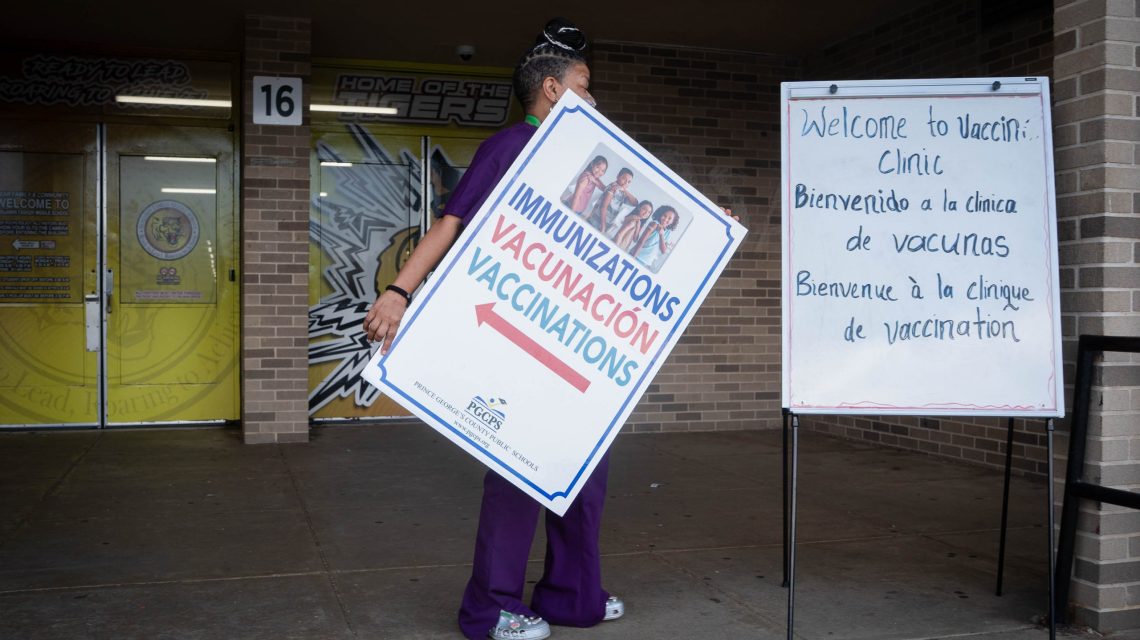
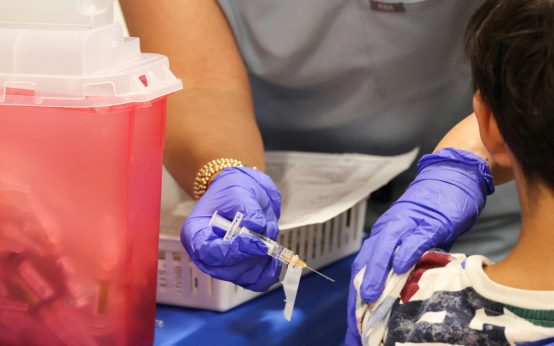
Some schools have responded by setting up vaccination clinics as a decline in vaccination rates is evident across the nation. Measles is like an indicator, highlighting vulnerabilities in our healthcare infrastructure. The recurring presence of its rash suggests cracks in our protections, leaving communities at risk for other infections.
There are concerns about vaccine access. Kennedy has contemplated altering a program vital to vaccine availability. These changes could lead to vaccine manufacturers exiting the U.S. market, complicating access for willing parents. The Department of Health and Human Services (HHS) claims vaccine access is not restricted, emphasizing open review and transparency of safety data.
Officials involved in vaccination programs are apprehensive, fearing children might face life-threatening diseases that were once preventable. According to Dr. Melinda Wharton, past CDC immunization leader, the current situation is worse than previously imagined. Medical professionals are confronted with cases they thought were from history books, now faced with real patients suffering from diseases like diphtheria.
Measles was once a lesson in history, but now it is resurging in the U.S. Coverage on vaccine policies and public health illustrates the steps leading to the current crisis.
Recent Reports and Findings
An October 2020 report described how COVID-19, political influences, and leadership issues affected the CDC’s effectiveness, diminishing public trust in health institutions.
In March 2025, it emerged that the CDC withheld a measles risk assessment highlighting the importance of vaccinations. The decision to suppress the report was attributed to it being information already known to the public.
Later reports exposed potential changes to a vital vaccine program. Alterations could lead to a withdrawal of vaccine makers from the U.S. market. HHS maintained Kennedy’s stance as pro-safety rather than anti-vaccine.
An analysis in March 2026 modeled potential consequences if vaccine availability ceased, predicting dire outcomes. The report included input from the HHS, which reiterated its support for recommended vaccines.
By June 2026, investigations into the genetic code of measles cases raised the question of whether the disease is endemic in the U.S.; the CDC is conducting ongoing research to provide a clear answer.
 New Approach Enhances CAR-T Therapy for Solid Tumors
  Senate Proposal Seeks Extended Nutritional Support for Postpartum Mothers
  Increasing Wait Times for Cancer Treatment
  U.S. Kindergarten Vaccination Rates Decline as Exemptions Reach New Highs
  Health Implications of Alcohol Use After Prolonged Sobriety
  Increase in Kindergarten Vaccine Exemptions