
Patients using oral glucagon-like peptide-1 (GLP-1) medications, such as Wegovy, should avoid taking them with morning coffee or tea. The FDA advises that Wegovy tablets should be ingested on an empty stomach with only up to 4 ounces of water. After taking the medication, wait at least 30 minutes before eating, drinking any other beverages, or consuming other oral medications.
As the first FDA-approved oral medication for chronic weight management, Wegovy has unique guidelines compared to its injectable counterparts, primarily because food and drink can influence absorption through the digestive system.
Dr. Michael Hall, a certified physician specializing in longevity, confirmed that only water should be consumed with oral Wegovy. He emphasized that drinks like coffee, tea, and juice may interfere with the absorption of the medication.
Dr. Hall suggests the following morning routine for those taking oral GLP-1 medications:
- Wake up
- Take a Wegovy tablet whole, with up to 4 ounces of plain water (do not split, crush, chew, or dissolve the tablets)
- Wait at least 30 minutes
- Eat breakfast, drink coffee or tea, and take other oral medications
Dr. Hall warns that other foods and medications can affect the absorption of oral GLP-1 if consumed too soon after taking the pill. Generally, nothing but water should be taken by mouth for 30 minutes after ingestion of the medication.
Dr. Marc Siegel, Fox News senior medical analyst, supports the recommendation that GLP-1 tablets be taken with water on an empty stomach, free from caffeine. He notes that while consuming tea throughout the day doesn’t typically interfere with absorption, patients should consult their physicians. Certain teas, such as green, black, or white teas, might aid digestion, while ginger and peppermint teas can help with nausea.
Fox News Digital contacted Novo Nordisk, the manufacturer of Wegovy, for additional comments.
 Cychlorphine’s Impact on Opioid Overdoses in Austin and Beyond
  Fauci’s Diaries Reveal Criticism of Trump and More
  Understanding Rising Stroke Rates in Younger Populations
 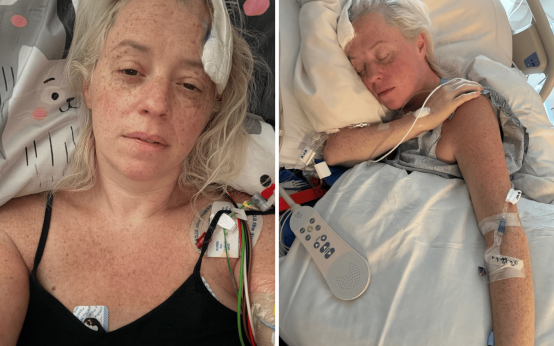 Julie’s Sudden Medical Emergency: A Brain Aneurysm Case Study
  Growing Support for Government-Run Health Insurance Revealed by New Poll
  Resilience: Preparing Health Systems for Unexpected Crises