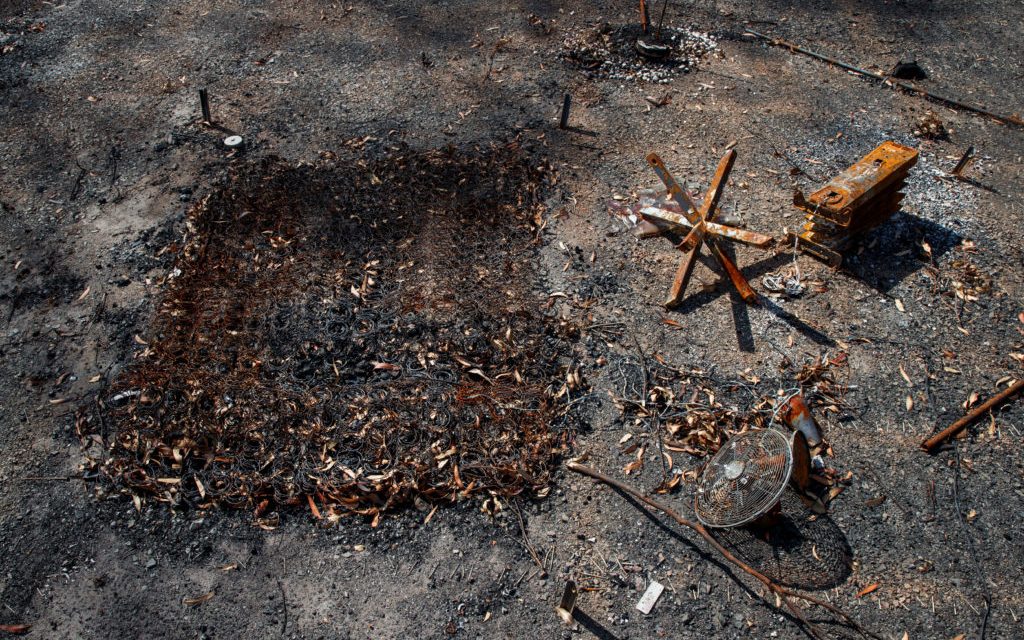
The book ‘The Ministry for the Future’ by Kim Stanley Robinson begins with a devastating heat wave in India that leads to 20 million deaths, prompting global action against climate change. This fictional scenario reflects warnings from scientists about increasing extreme weather events globally. Though predicting specific events is challenging, conditions for significant disturbances have been developing.
Daniel Swain from the California Institute for Water Resources highlights the risk of skepticism toward climate warnings, akin to the ‘Boy Who Cried Wolf’ scenario. The threat remains real, demanding attention. Over 150 years ago, Eunice Newton Foote’s experiments identified carbon dioxide’s impact on warming. Today’s global temperature rise is credited to greenhouse gases.
The U.S. leads in greenhouse gas emissions, yet lacks substantial action to counter climate threats, especially during its 250-year anniversary. Former President Donald Trump’s dismissive stance on climate policies underlines this challenge. Extreme weather events are globally frequent, marking an age of extremes.
Examples include Australia’s ‘Black Summer’ fires, Pakistan’s massive floods, and U.S. hurricanes. Smaller disasters continue, such as Texas floods and Vietnam’s Typhoon Kalmaegi. Sarah Perkins-Kirkpatrick from Australian National University stresses the permanence of extreme events despite potential net-zero achievements.
Carbon dioxide’s decade-long atmospheric presence hampers immediate recovery from climate impacts, highlighting consistent emissions as concerns grow. Perkins-Kirkpatrick’s analogy of ‘the frog in boiling water’ suggests an acclimation to worsening conditions. No nation is fully prepared for major climate disasters, with risks evolving.
Robinson would now incorporate wildfires into his book, recognizing their growing intensity. Coping with climate predictions challenges psychology, leading to denial. Efforts to curtail emissions or improve infrastructure are often overlooked. Scientists must carefully discuss potential catastrophic events.
As modeling advances, intervals between extreme events decrease. Sonia Seneviratne of the UN’s climate panel compares climate risks to smoking-related cancer, emphasizing transparency in warnings. Critics might fault scientists for not foreseeing specific events, despite continuous efforts to inform the public.
While earthquakes aren’t directly climate-related, California’s earthquake preparedness offers a model for climate resilience. Lucy Jones’ initiatives on retrofitting for earthquakes show potential for effective disaster preparedness, driven by real risk assessment.
Cinematic portrayals of climate scenarios, such as ‘The Day After Tomorrow’ and ‘Don’t Look Up,’ offer contrasting outcomes—either resolve or doom—which don’t mirror scientific predictions. While movies dramatize the narrative, real-life challenges remain unresolved.
The occurrence of extreme weather events will intensify. Greenhouse gases from human activities exacerbate climate change, disrupting ecosystems. Timing for significant climatic events is uncertain, ranging from imminent to decades ahead.
Despite denial from some quarters, rapid climate impacts validate scientific predictions. Past inaccuracies often reflected conservative estimates. Recent unexpected heat in the U.K. exemplifies underestimated predictions. Tipping points in climate systems are no longer theoretical, exemplified by coral demise and Amazon deforestation.
The Amazon’s degradation risks surpassing its carbon storage capacity, becoming a source of emissions. This year’s El Niño threatens record temperatures and extensive damage. The collective climate trajectory is concerning.
Tim Lenton from the University of Exeter advocates discussing potential severe impacts for preparedness. AP’s environmental reporting receives diverse financial support, ensuring the integrity of its content. Supporting independent journalism contributes to informed public discourse.
 Impact of New European Union Packaging Rules on Small Businesses
  Bison Attacks in Yellowstone: A Growing Concern
 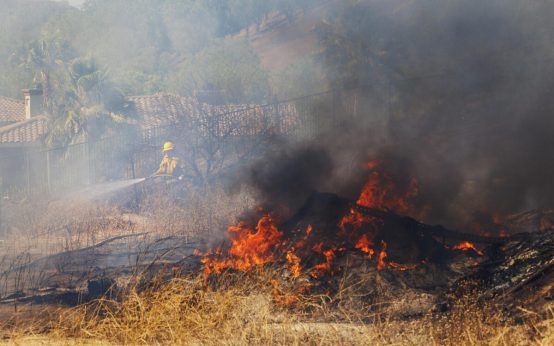 California Residents Face Challenges from Wildfires and Rising Sea Levels
  Federal Judge Orders Testimony in Tree-Removal Case
 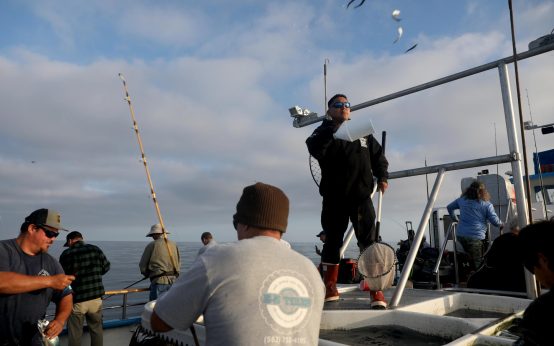 Super El Niño Boosts Unusual Fishing Season Off California Coast
 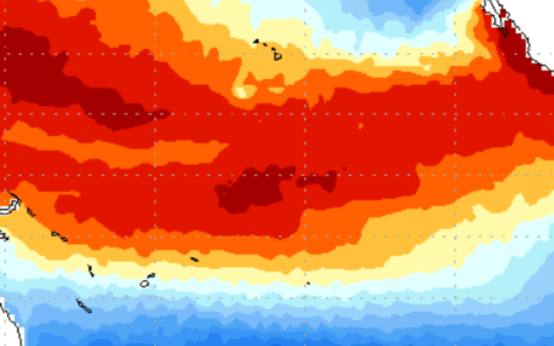 El Niño’s Impact on Pacific Ocean Temperatures