Data centers are crucial for modern infrastructure, powering apps, streaming, online shopping, banking, and artificial intelligence. These large facilities store data and process digital requests continuously. Most people may never see them, yet they use data centers daily without realizing it.
The Backbone of Technology Usage
Brittany Kaiser, CEO of Alpha Compute, emphasizes their importance, stating that all data processed through technology relies on data centers. The increasing demand for data centers arises from AI, which requires more data processing than routine functions like email. Data centers support much more than just AI queries.
1. Supporting Your Apps
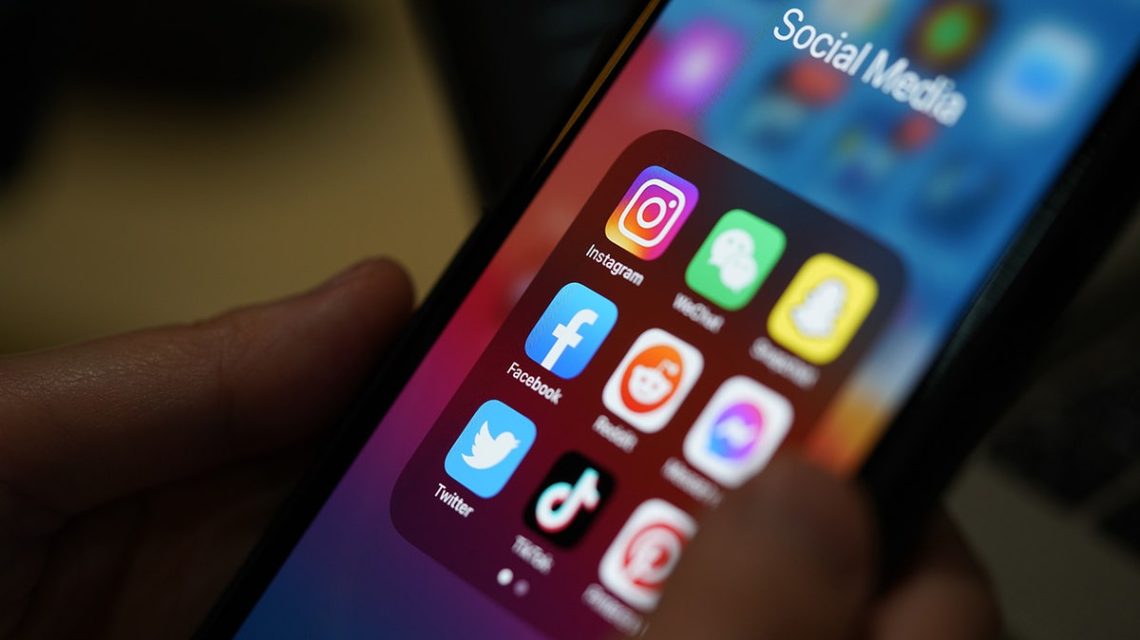
Data centers process and store information for apps like Instagram, TikTok, Gmail, and banking applications. When you perform actions like sending messages or refreshing feeds, data centers retrieve and deliver this data swiftly. While the apps are on your phone, their operation depends on remote facilities filled with servers.
2. Ensuring Smooth Streaming and Gaming
Platforms such as Netflix, YouTube, and Spotify use data centers for smooth streaming. They store large content libraries and deliver them quickly to avoid buffering. Similarly, online gaming relies on data centers for real-time connectivity and reduced lag. The increasing usage of data-heavy services amplifies the need for robust computing support.
3. Empowering AI Tools
Every AI query, image generation, or AI-based search utilizes data centers for processing power. Unlike basic web searches, AI tasks involve analyzing and responding instantly. This demand pushes the tech industry to expand data centers with AI-specific components.
4. Storing Your Photos and Files
Your digital files on platforms like Google Drive are stored in data centers. These locations have physical servers with redundant backups to prevent data loss. Therefore, data centers secure your information, ensuring accessibility despite device malfunctions.
5. Facilitating Swift Google Searches
Google utilizes data centers to process extensive information quickly to deliver instantaneous search results. Each query activates systems that identify relevant data before transmitting it back to your device. This process involves efficient server interactions.
6. Enabling Online Shopping
Data centers play a role in managing online transactions, handling payments, managing inventory, and tracking deliveries. They support rapid updates of product availability and prices. Major events like Black Friday demand that these systems handle increased traffic without failure.
7. Supporting GPS and Navigation
Services like Google Maps and Waze depend on data centers to process real-time traffic data, routes, and maps. They integrate various information sources to offer location insights and directions. Without data centers, real-time navigation would be less reliable.
8. Making Remote Work Feasible
The infrastructure provided by data centers supports remote work tools such as video calls and cloud software. Every online collaboration relies on servers to ensure data synchronization for users in different locations. Many organizations view data centers as vital as offices and utilities.
9. Aiding in Fraud Detection
Banks and retailers use data centers to assess transactions swiftly, identifying potential fraud by comparing patterns in location, history, and past activity. Speed is crucial here, as delays in alerts can permit fraudulent activity before detection.
10. Powering Technological Advancements
Data centers are integral to technologies like autonomous vehicles, robotics, and scientific research. They process massive data sets, train AI systems, and support software evolution. As society advances digitally, data centers transition from niche facilities to essential infrastructure.
Amanda Macias covers the interactions between business and politics, focusing on how policy impacts markets and workers.
 Chinese Hacking Operations Target U.S. Infrastructure
  The Growing Debate Over Data Centers in America
  Meta Reaches $18 Billion Settlement over Child Mental Health Claims
  The Balance Between AI Regulation and Innovation
  Bill Gates Expresses Urgent Concerns Over AI’s Rapid Advancement
  Balancing AI Regulation with Innovation