For nearly 70 years, food and beverage companies have determined the safety of new ingredients without informing the FDA. A new proposal could require companies to notify the agency when adding new substances to food. Currently, companies self-certify ingredients as “generally recognized as safe” (GRAS). The proposed rule aims to address information gaps criticized by food safety experts but doesn’t require FDA approval before selling.
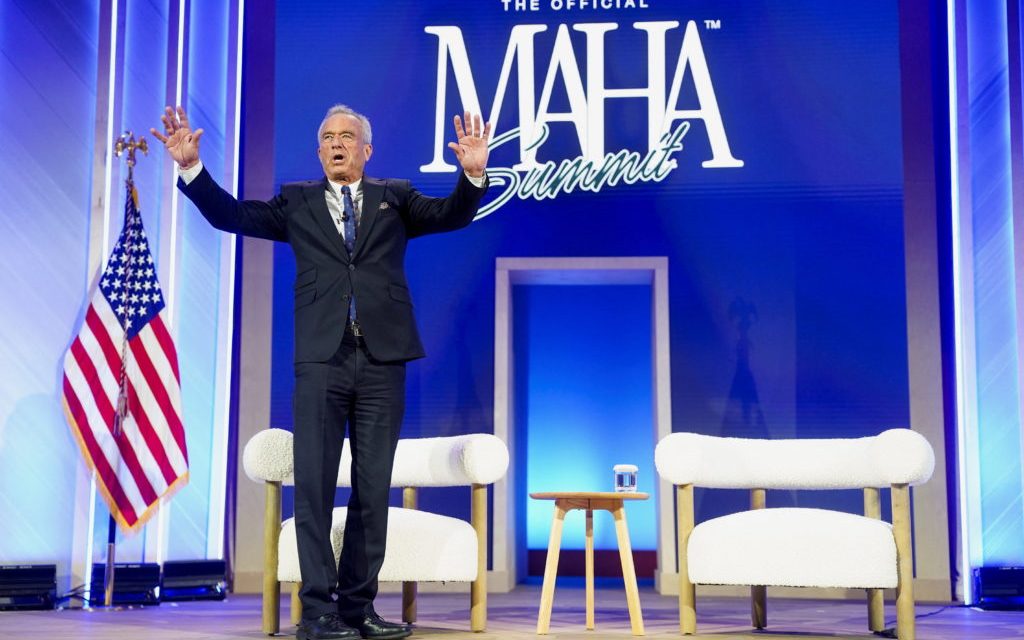
This proposal is part of Health Secretary Robert F. Kennedy Jr.’s “Make America Healthy Again” agenda. This initiative seeks to reshape federal oversight of the nation’s food supply. Peter Lurie, President of the Center for Science in the Public Interest, describes it as a modest step forward.
Why Was This Exemption Created?
Congress created the GRAS exemption in 1958 for widely accepted substances like salt and vinegar. These didn’t require formal FDA review. Over time, the exemption has expanded beyond what Congress intended. About 99% of food chemicals introduced since 1958 have used the GRAS pathway, according to a 2025 Environmental Working Group analysis. The lack of notification has complicated safety issues, as with the 2022 tara flour outbreak linked to Daily Harvest products.
“What you would have hoped is that they would have submitted something to FDA,” said Lurie. “FDA would have looked at it, and perhaps there would have been some kind of signal in the submitted data.”
Companies can voluntarily notify the FDA of GRAS ingredients. Over 1,300 GRAS notices have been logged since 1997, but they aren’t required before selling products. Critics like Patricia Zettler, a law professor at Ohio State University, point out that the so-called “loophole” was created by Congress, not the FDA.
Proposed Rule Changes
The proposal would make GRAS notification mandatory. Companies introducing new substances under GRAS would notify the FDA of their basis for safety. Failure to notify wouldn’t automatically ban the substance, but the lack of notification would influence FDA’s post-market review priorities.
Under this proposal, notification would be based on company assessments, not a thorough safety review. Agricultural economist Charles Benbrook highlights the difference between this and the food additive approval process: “The company’s opinion… is very different from… a minimal and open scientific evaluation.”
Ingredients sold based on “self-affirmed” GRAS determinations must also notify the FDA, with a one-year deadline for streamlined submission.
Limitations of the Proposal
Companies wouldn’t need FDA review before marketing a substance. They could submit a notification and start selling immediately. This contrasts with the formal food additive process requiring FDA evidence evaluation before market entry.
Lurie questioned the “mandatory” nature of the proposal, saying, “There is no real enforcement mechanism… there is no lot of reason to think companies will report when the old system worked for them.”
The FDA hasn’t clarified consequences for non-compliance. Lurie suggests public comments could influence policy, especially concerning enforcement and the agency’s capacity to review submissions.
Impact on Food Safety
The GRAS proposal is part of the Trump administration’s MAHA initiative, focusing on food additives in the American diet. The Department of Health and Human Services seeks to strengthen nutrition science and oversight with this proposal. It has less connection to microbial food safety issues like recent cyclospora and salmonella outbreaks. Lurie criticizes the administration’s focus on additives over factors more strongly linked to health problems, like sodium and sugar.
Timeline for Changes
The proposal is open for public comment through early December. Changes will not happen immediately. The FDA must consider public feedback, potentially affecting the final rule’s content.
Lurie points out that companies’ willingness to participate and the adequacy of FDA staff for reviews remains uncertain. The proposal offers a clearer understanding of ingredients in the food supply, but without significant enforcement changes, its impact may be limited.
 Second Death Confirmed in Grand Canyon Flooding Amid Search Efforts
  SNAP Benefit Restrictions Delayed in Two States Following Court Ruling
  Grand Canyon Flash Flooding: Search and Recovery Efforts Continue
  President Trump Stands Firm on Data Centers Amid Rising Opposition
  Tropical Storm Warning Issued for Louisiana and Texas
  Challenges in Maternity Care Accessibility in Arkansas