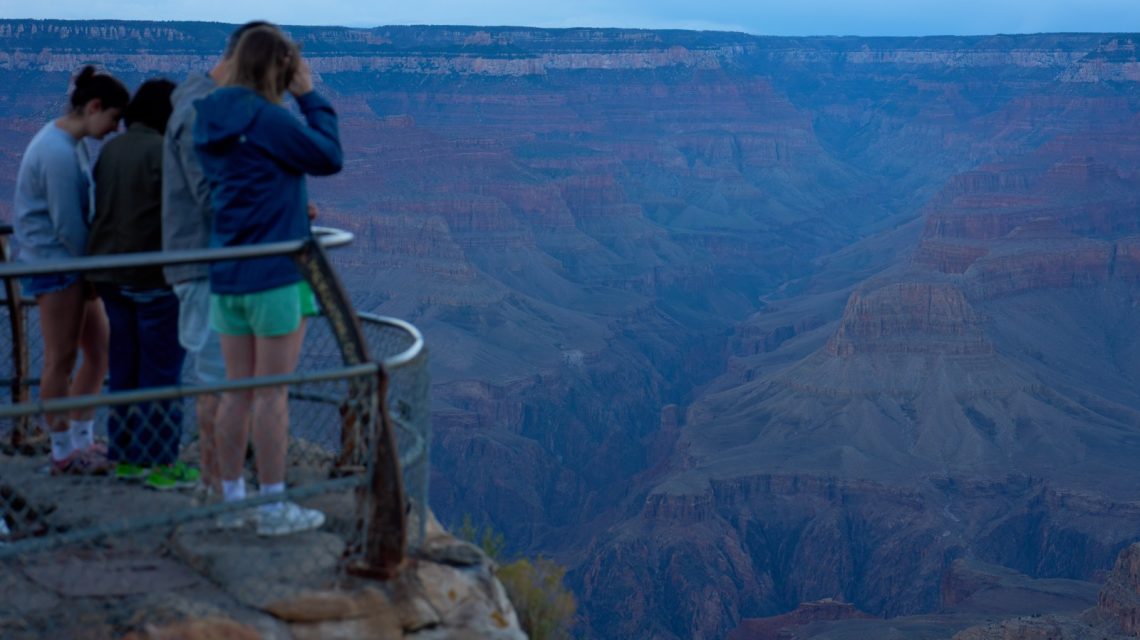
Federal officials have confirmed that two bodies have been recovered following catastrophic flooding in the Grand Canyon. This deadly flash flood occurred on Saturday along Bright Angel Canyon, and search crews are still working to locate approximately 15 missing individuals.
According to the National Park Service (NPS), the flooding severely damaged critical infrastructure, including the Transcanyon Waterline. Two bodies have been recovered,
stated an NPS spokesperson in communication with Newsweek.
Preliminary estimates suggest that around 40% of the Transcanyon Waterline suffered damage or was destroyed. Upcoming weather may impact the timing and pace of ongoing operations.
As recovery efforts proceed, park visitors are advised to avoid closed areas. These include Phantom Ranch, Bright Angel Campground, the Phantom Ranch Canteen, and the North Kaibab Trail from its trailhead to Phantom Ranch.
Reports from the National Weather Service (NWS) indicate a severe thunderstorm struck the area Saturday afternoon after intermittent rainfall. The storm produced up to an inch of rain over 30 minutes, leading to the flash flood.
How Did the Flash Flood Become Deadly?
The flooding began due to intense rainfall overwhelming Bright Angel Creek, transforming the creek into a swift torrent that swept through popular hiking and camping spots. Over sixty individuals were airlifted, as footbridges were destroyed and trails became impassable. The body of a 46-year-old man was recovered near Crystal Rapids, with another body identified earlier.
Hikers reported chaotic scenes as the storm progressed, with waterfalls suddenly appearing and landslides occurring. Parth Desai, a physician hiking through Bright Angel Canyon, recounted the rapid flood transformations. Desai was later rescued via helicopter after reaching Phantom Ranch.
The flooding reshaped the canyon’s interior, widening creek beds and destroying footbridges. Further assessments are needed to determine the scope of changes within the canyon.
Significance of the Transcanyon Waterline Damage
The flood’s impact on the Transcanyon Waterline poses a significant crisis for the region. This 12-mile pipeline supplies potable water to millions of visitors annually and the residents of Grand Canyon Village. With 40% of the line damaged, there is insufficient potable water for overnight stays, prompting NPS to restrict lodging inside the park. Residents are urged to conserve water.
A $208 million project aimed at modernizing the aging water system is now at risk, with fears that the timeline and costs could skyrocket.
Closure Areas and Duration
NPS has shut down several notable sections of the canyon for search-and-recovery operations, including:
- Phantom Ranch
- Bright Angel Campground
- Phantom Ranch Canteen
- North Kaibab Trail from the trailhead to Phantom Ranch
The Arizona Department of Public Safety aids additional evacuations. Although lodging is available in Tusayan, travel within the canyon is highly restricted.
Potential Weather Threats
Forecasters are tracking potential threats from a tropical storm or hurricane approaching California. While uncertainties remain, the storm could bring heavy rain and strong winds to the West Coast or could push moisture inland, exacerbating wet conditions over the western U.S., which includes the Grand Canyon area.
 Causes of Death for Burning Man Festivalgoers Revealed
  Ukrainian President Responds to U.S. Abandonment Amid Strained Relations
  Tragic Loss of LSU Student and Fiancé in Baton Rouge Incident
  Closure Announcement for The Plaza Hotel
  Trump Discusses Lincoln Memorial Reflecting Pool Repairs and Vandalism Allegations
  Trump Labels Golf Course ‘Trash Island’ Amid Legal Conflict