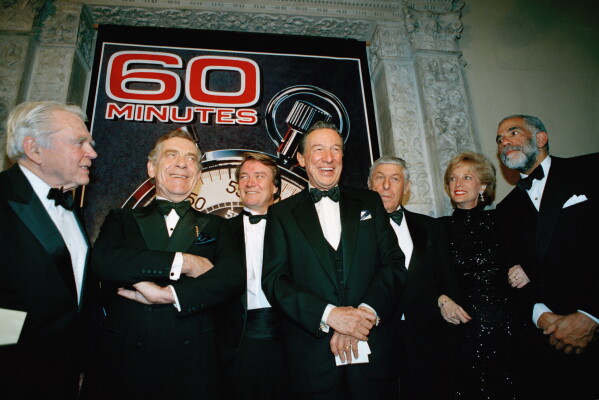
Scott Pelley, a correspondent for “60 Minutes,” recently made headlines with his bold criticism of CBS management. His candid remarks questioned the credentials and motivations of his bosses, leading to his firing. This incident resonated with many who dream of openly confronting their superiors.
For example, Zach Tyra, a 40-year-old data analyst from Oklahoma, identified with Pelley’s outburst. He recalled his frustration with a former boss but admitted lacking Pelley’s resources or security to act similarly. Tyra commented, “It’s the American dream to tell off your boss and walk out.”
The incident occurred during a staff meeting with the new “60 Minutes” executive producer, Nick Bilton. Pelley reportedly criticized the management decisions, including recent firings. He specifically questioned CBS News’ editor-in-chief, Bari Weiss’s qualifications. Bilton described Pelley’s actions as an “ambush” with “incivility and contempt.”
This event stirred discussions about power dynamics in the workplace. Parry Headrick from Boston, who experienced a similar situation as a young reporter, sympathized with Pelley. He believes that many Americans share the desire to challenge authority.
In journalism, confrontations are not uncommon. Journalists often see themselves as truth-speakers, challenging power. Headrick noted, “In journalism, layers of politeness that exist elsewhere often disappear.”
Clare Haynes, who worked in middle management at a nonprofit, faced a similar dilemma two decades ago. She felt her ideas were repeatedly dismissed. Eventually, she challenged her boss, leading to a strained work environment.
Johan Konst from Amsterdam also reached a breaking point at a Swedish media company. After years of stress, he bluntly criticized his boss, ultimately receiving a severance package. He reflected, “It was the best thing that ever happened to me.”
Instances like these highlight the thin line between acceptable discourse and conduct warranting dismissal, which differs across workplaces. For many, these acts of defiance symbolize a larger struggle for respect and integrity in professional environments.
 ABC News Deletes Report on Trump Sons’ Business Dealings
  New Documentary Explores Impact of COVID-19 School Closures
  Trump’s Criticism of Fox News and Senate Race Coverage
  Amir Odom Discusses His Departure from the LGBTQ Movement
 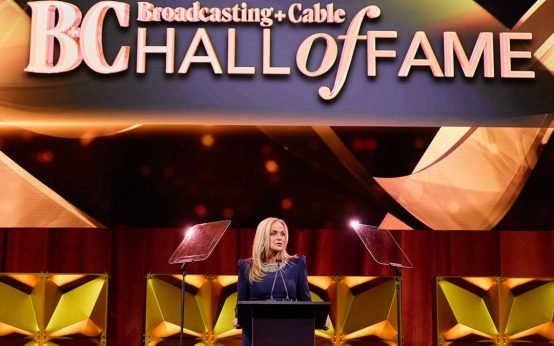 Suzanne Scott Inducted into Broadcasting+Cable Hall of Fame
 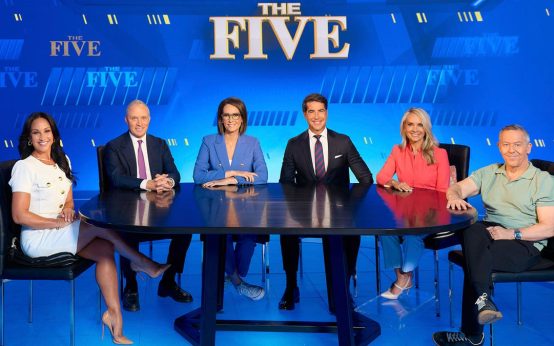 Fox News Leads Cable Ratings in Third Quarter of 2026