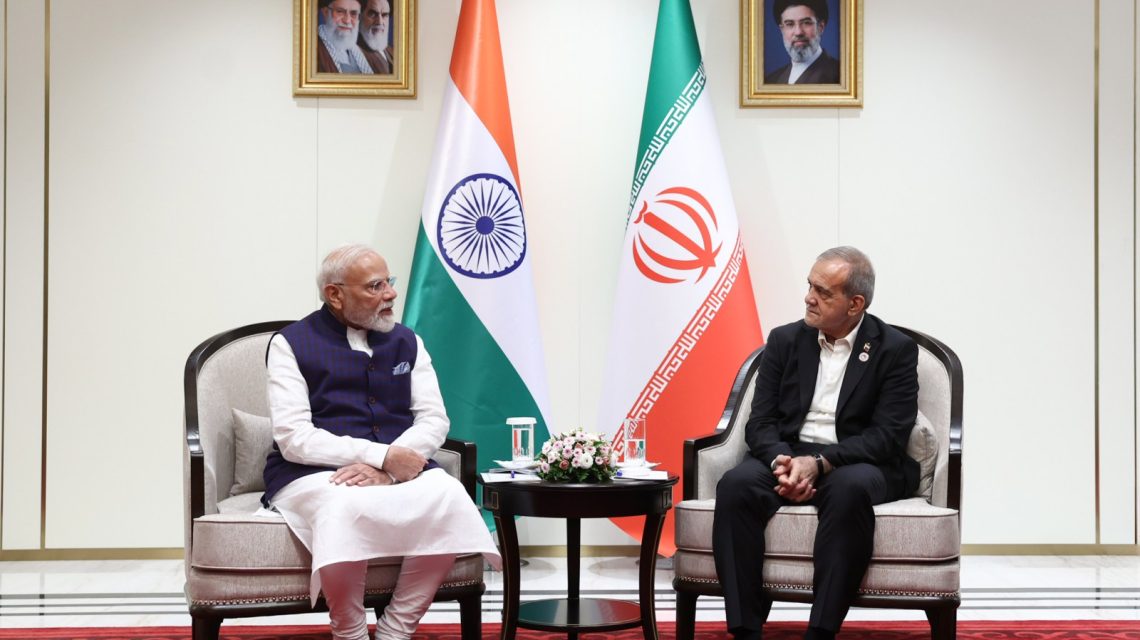
As Iran faces increasing tension with the United States during their six-month conflict, Iranian President Masoud Pezeshkian sought support from an influential ally of President Donald Trump. Pezeshkian met Indian Prime Minister Narendra Modi at the Shanghai Cooperation Organization (SCO) summit in Bishkek, Kyrgyzstan.
The meeting took place concurrent with Trump threatening significant retaliation against Iran following recent attacks on a U.S. base in Jordan. Modi listened to Iran’s position on the conflict, as highlighted by Rajeev Agrawal, a retired Indian Army colonel and senior research consultant at the Chintan Research Foundation. Agrawal emphasized the meeting’s importance, being their first face-to-face since hostilities began on February 28, despite numerous phone discussions.
Pezeshkian expressed concerns that the U.S. has chosen a path of war and insecurity, rejecting peaceful dialogue. Additionally, he criticized the U.S. for not adhering to their June 17 memorandum of understanding. Agrawal noted that Pezeshkian’s statements provided Iran a platform to communicate its stance globally, particularly seeking strengthened cooperation with India.
Modi’s office confirmed discussions on enhancing India-Iran relations and reiterated efforts to maintain regional peace. Modi highlighted the importance of protecting civilian areas and ensuring safe navigation in commercial waters, despite Iran’s earlier aggressive actions in the Persian Gulf, which included an attack near the Strait of Hormuz that resulted in the death of an Indian sailor.
India has consistently called for a truce, criticizing both Iranian and U.S. actions. Pezeshkian urged Modi to leverage his international contacts to promote dialogue over conflict. The venue of their meeting, the SCO, underscores a significant geopolitical shift. Since its founding in 2001, the SCO serves as a cooperation platform outside Western influence. Members include China, Russia, and several Central Asian nations, with Iran joining in 2023.
Ali Ahmadi from the Geneva Centre for Security Policy noted the SCO does not function like NATO but remains valuable for coordinating economic and military concerns. Iran hopes to utilize this forum to influence international perspectives, despite the U.S. pressures. Ahmadi suggested the SCO’s platform aids Iran in securing overland trade routes, reducing maritime dependence due to U.S. threats.
India’s role in this complex geopolitical environment is delicate. New Delhi faces regional challenges, particularly concerning tensions with Pakistan and China, both SCO members. Recent events, including skirmishes with Pakistan and territorial disputes with China, complicate India’s position.
Deepika Saraswat, of the Manohar Parrikar Institute for Defense Studies and Analyses, highlighted India’s diplomatic consistency in balancing ties with Gulf states, Iran, and Israel, unaffected by regional changes. Modi’s relationship with Trump remains mostly positive, despite some frictions over tariffs and contentious comments.
Amidst these dynamics, Modi has pursued broader diplomatic engagements with other nations, including restarting a joint project with Iran’s Chabahar port. India views Iran as crucial for connectivity plans with Afghanistan and Central Asia. The ongoing conflict has reinforced India’s interest in maintaining open diplomatic channels with Iran.
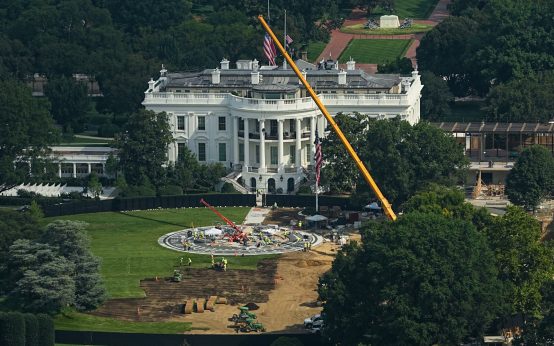 Supreme Court Raises Concerns Over White House Construction Project
  Trump Administration’s Campaign Against Antisemitism on Campuses
 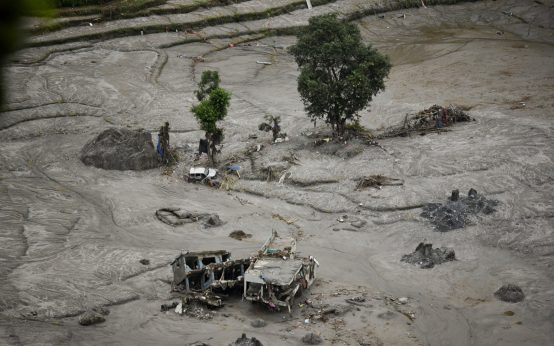 Survival Challenges After Catastrophic Flooding on Nepal-China Border
  House Speaker Endorses Congressman Despite Allegations
  Pharmaceutical Companies Agree to Drug Price Cuts Under Trump’s Program
  Abdul El-Sayed’s Dilemma with Controversial Support