Many Americans might face issues receiving their mail-in ballots on time or at all if the U.S. Postal Service (USPS) moves ahead with a new system. A report from a USPS whistleblower, published in The New York Times, reveals the agency’s hurried attempts to implement a secretive digital system linked to President Trump’s new federal requirements on mail voting. This comes as mail-in voting for the midterms begins, with just two months until Election Day.
The whistleblower warns of developing the system in a risky and irregular manner, predicting a possible failure. A major concern is that if one ballot in a bulk mailing fails to scan, thousands may be rejected. The situation gained complexity when the Supreme Court allowed the Trump administration to proceed, not because of legality affirmation, but because the states appealed too early. USPS then solidified the regulations, altering legal circumstances. The states returned to court, and a federal judge temporarily blocked key elements, stating a valid challenge existed once the Postal Service formalized the policy.
In simple terms, the Supreme Court’s message was the challenge was premature. After USPS finalized the rules, the lower court agreed that there was now a legitimate case. Meanwhile, the whistleblower indicates USPS continues developing the technology affecting thousands of people. Sen. Richard Blumenthal, citing the report, states that about one-third of Americans vote by mail. In the 2022 midterms, 37% of votes in Michigan, a state pivotal in elections, were by mail. California, where every registered voter receives a ballot, is crucial in the fight for House control.
The Trump administration’s broader agenda includes restricting mail ballots and proposing the SAVE America Act. This act would mandate states to present voter rolls for federal inspection and assign Homeland Security a role in determining voter roll eligibility. The law would also significantly limit mail-in voting and impose citizenship documentation for voter registration.
The administration has taken multiple steps casting doubt on the integrity of U.S. elections, including the president’s persistent claim of the 2020 election being stolen and alleging susceptibility to foreign manipulation in a July TV address. Instead of focusing on policies to boost the economy or reduce consumer costs, voting becomes a battlefield.
The administration’s efforts could create additional voting hurdles rather than facilitate voter participation. They should attempt to win elections by inspiring voters with effective policies and presenting a compelling vision for the nation.
Contributed by Lindsey Granger, NewsNation contributor and co-host of The Hill’s commentary show “Rising.” This column is based on her on-air commentary.
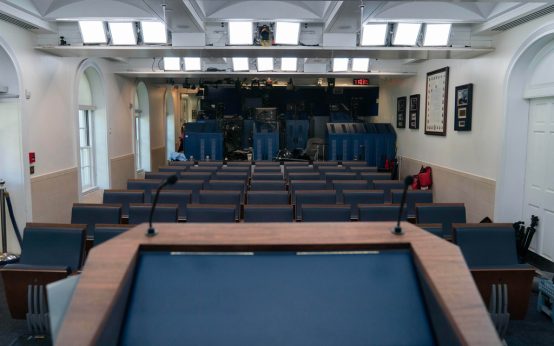 Lessons from a Storied Press Secretary
 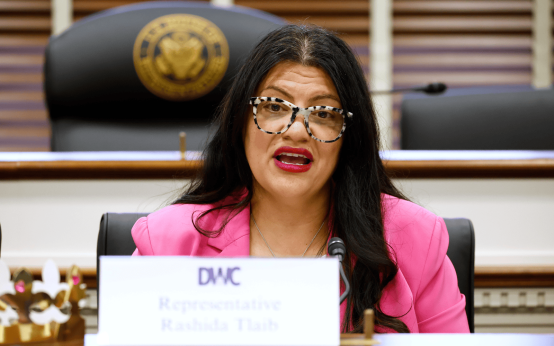 Tlaib’s Bill Aims to Halt Federal Funding for Mass Surveillance
  California’s New Hate Speech Instruction Faces Pushback
  Macron Faces Criticism Amid Violent Protests in France
  Addressing Recidivism and Reforming the U.S. Prison System
  Democracy Dies in Darkness