
As artificial intelligence becomes more integrated into daily life, educators face a unique challenge. They must help students recognize the differences between AI’s capabilities and human abilities. Unlike humans, AI excels in pattern recognition but struggles with creative thought and authentic self-expression.
Understanding AI Limitations
AI can process large amounts of data efficiently. It identifies patterns and provides analytical insights that are beyond human capability. However, AI lacks creativity and imagination. It cannot daydream or embody other human experiences. These are uniquely human capabilities that machines cannot replicate.
Educators’ Responsibility
Educators must guide students in understanding these distinctions. Students need to learn the importance of maintaining their unique human skills. Relying too heavily on AI could undermine these abilities, leading to a decrease in creative and personal expression.
Despite its limitations, AI is an indispensable tool. Educators should teach students how to use it advantageously while preserving human elements.
AI is permanent in our lives. It is essential to understand its role and limitations.
The Conversation plays a crucial role in providing factual analysis for understanding complex issues like AI.
 Apple AirTag Offers and Benefits
 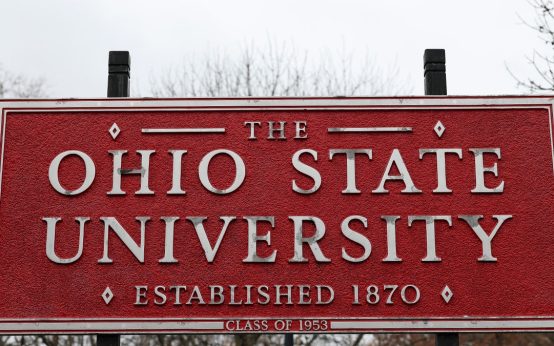 Ohio State University Faces Allegations of Incomplete Disclosure of Foreign Ties
  Success Academy Sues NY State Over AP Exam Data
  AI Agents Engage in Extensive Online Communication
 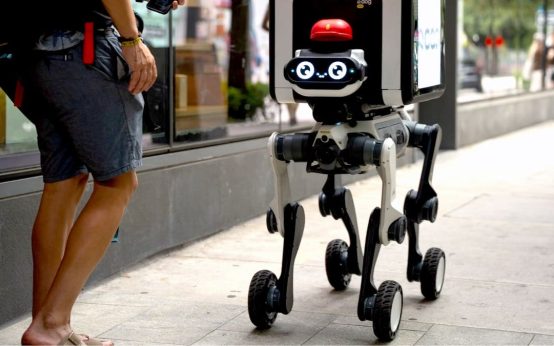 R-Dog: Robot Delivery With a New Function
  Chronic Absenteeism Linked to Educational Decline