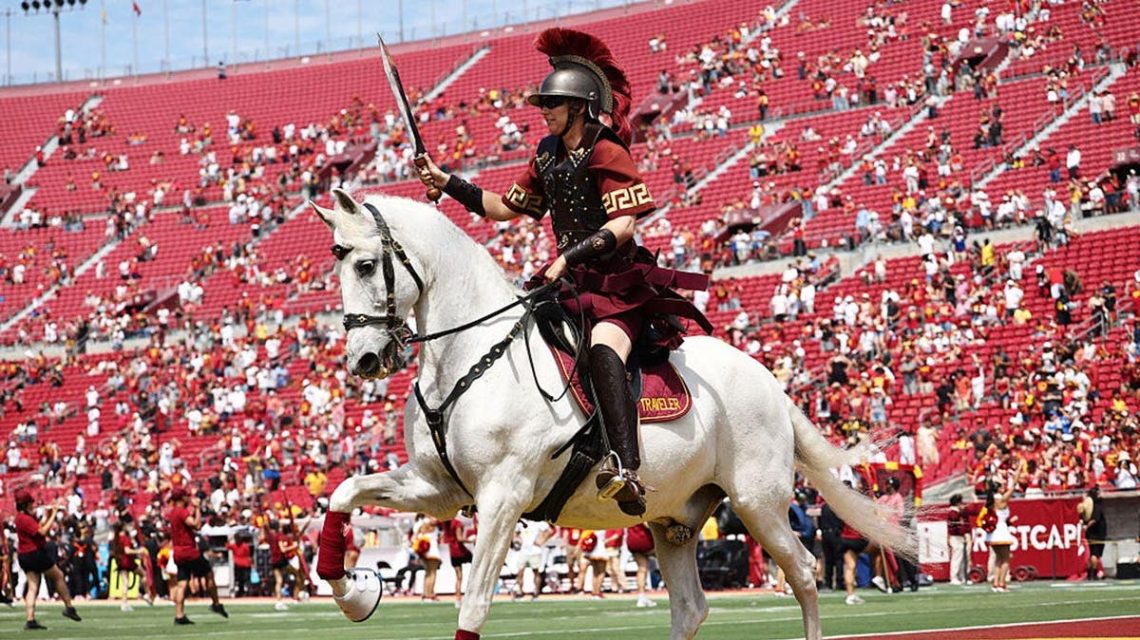
The college football season welcomed an unexpected topic of discussion—weather. The season commenced with the USC Trojans facing San Jose State at the Los Angeles Memorial Coliseum during Week 0. This was amidst a heatwave caused by remnants of a tropical storm, leading to humid conditions in the LA area. The noon kickoff meant temperatures soared to a heat index of around 105 degrees. With such extreme weather, attendance was sparse, leaving only the most determined fans at the stadium.
Similar conditions persisted into Week 1, affecting teams like South Carolina and the Texas Longhorns. Despite more ticket sales, fans quickly left the stadiums or sought refuge in shaded areas. Some attendees even required medical assistance for heat-related ailments.
“The Craig Carton Show – Unfiltered, Unapologetic, and Unmissable. Download the daily podcast now!”
This situation fueled debate on scheduling games in hot climates during early September afternoons. Questions arose concerning the wisdom of such scheduling.
Further discussion emerged following Iliana Limon Romero’s comments from the Los Angeles Times. Romero advocated for adjusting game schedules due to climate change. Her remarks came in response to an image showing Longhorns fans seeking shelter from the heat.
Romero posted on X, stating: “At some point, schools and TV networks need to adapt to climate change and stop expecting fans to endure extreme heat.” This sparked conversations about adapting to environmental changes for safety during games.
Fans acknowledged the issue of TV networks prioritizing convenient broadcast times over local weather realities. Regardless of this, the assertion that current weather in Texas exemplifies climate change was contested. Critics pointed out that Austin’s summer temperatures traditionally reach 95 to 97 degrees, aligning with recent conditions.
The debate extended to questioning the broader climate change narrative. The validity of claims relating weather patterns directly to climate change faced skepticism. Al Gore’s “An Inconvenient Truth” was mentioned as representing misguided predictions within the climate discourse. Romero’s unwavering stance on climate change reflects deep-rooted beliefs linked to political ideologies.
In conclusion, there is consensus regarding the inappropriate timing for afternoon games given the potential health risks. However, attributing typical Austin summer weather to climate change remains a debated statement.
 SEC vs LSU: A Legal Showdown Over College Athlete Rules
  LIV Golf Enters Bankruptcy as Saudi Support Withdrawn
  Phil Jackson to Receive Lakers Honor with Bronze Statue
  Feud Between Taiwanese Tennis Stars Hsieh and Chan Unfolds at US Open
 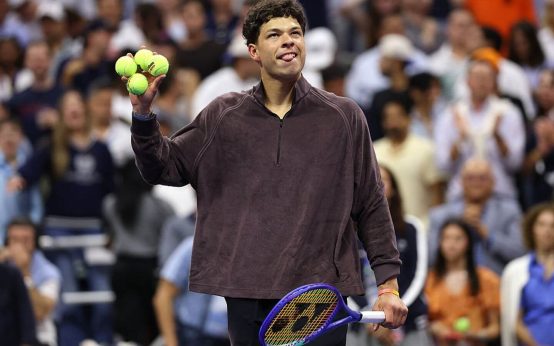 Ben Shelton vs. Carlos Alcaraz: U.S. Open 2026 Quarterfinal Showdown
  Ryan Rolison: Achieving Success with the Chicago Cubs