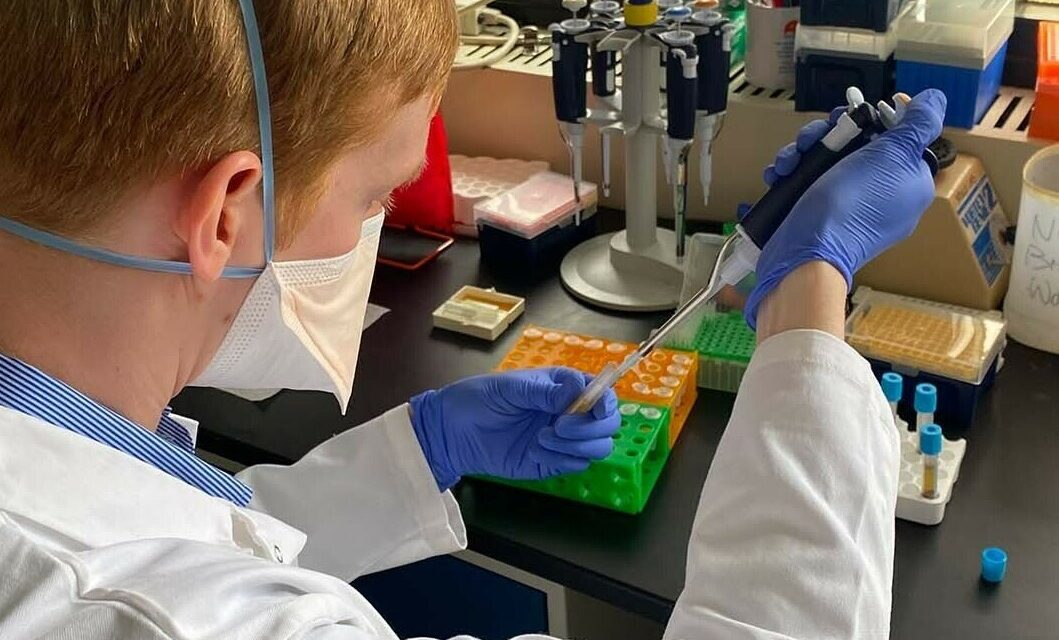
Graduate researcher Bradley Wade Hamilton is examining long COVID by isolating microclots from blood platelets. His work is part of ongoing efforts to understand the condition, which impacts millions. Anil Oza from NPR documented his process. Despite the end of the federal COVID-19 public health emergency, long COVID continues to affect over 65 million people worldwide.
Long COVID symptoms vary and worsen or appear following initial SARS-CoV-2 infection. Three years post-infection, no diagnostic biomarker exists, making it challenging for healthcare providers and researchers to identify and treat affected individuals. Resia Pretorius, a professor at Stellenbosch University, focuses on the blood’s clotting patterns to find answers.
Blood Clotting in COVID
“From sample one, severe clotting pathology was clear,” Pretorius notes.
Her observations began early in the COVID-19 pandemic. Originally considered a respiratory illness, Pretorius pointed to blood-related symptoms, similar to those in diabetes and lupus patients. Her research now examines long COVID patients’ blood for insights. During acute infections, the virus’s spike protein transforms soluble clotting proteins into insoluble microclots. These microclots cause vascular damage and hinder organ blood flow.
In many cases, microclots dissolve after several weeks, but some persist and restrict oxygen transfer between blood and organs. This widespread inflammation affects various body systems, leading to long COVID’s diverse symptoms.
Developing a Diagnostic Test
Detecting long COVID remains difficult without consistent tests. Pretorius aims to develop a test that identifies high microclot levels, critical for effective treatment. Collaborating with David Putrino from Mount Sinai Health System, they focus on post-viral illnesses.
Current blood panels have limitations; Putrino and Pretorius suggest that hyperactivated platelets and microclots disrupt body function. By creating a mainstream test, they hope to target and eliminate these microclots.
Roy Silverstein, a hematologist not involved in the research, seeks answers: are microclots markers for long COVID, and can they guide treatment?
Other diseases exhibit similar blood clotting changes. However, long COVID produces unique protein-based clots called amyloids, unlike typical microclots.
Crowdfunding for Research
With urgency, Pretorius turned to crowdfunding to buy a flow cytometer, essential for analyzing cells in clinical settings. This approach highlights the pressing need for research, given the first wave of long COVID patients now reaching three years with the condition.
Hannah Davis, from the Patient Led Research Collaborative, emphasizes the desperate situation faced by sufferers. She criticizes the lack of substantial funding for identifying biomarkers and developing diagnostics.
This effort, produced by Margaret Cirino and Berly McCoy, edited by Gabriel Spitzer, Rebecca Ramirez, and fact-checked by Emily Kwong, points to the significant gap in addressing long COVID. Pretorius’s crowdfunded research seeks to fill that gap.
 Impact of ‘Food Divorce’ on Relationships
  Long-Term Health Impacts of the 9/11 Attacks
 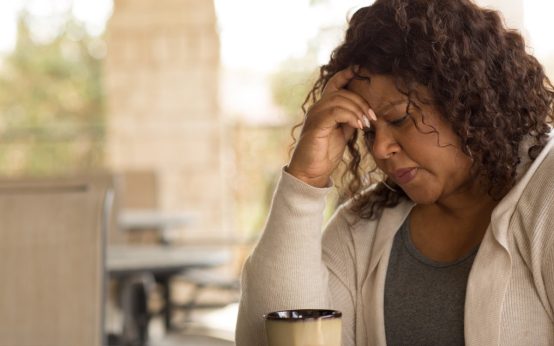 The Link Between Type 2 Diabetes and Mental Health Conditions in Women
 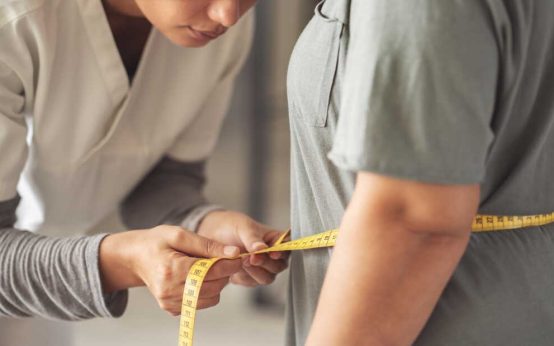 Debate on BMI and Race in Medical Guidelines
 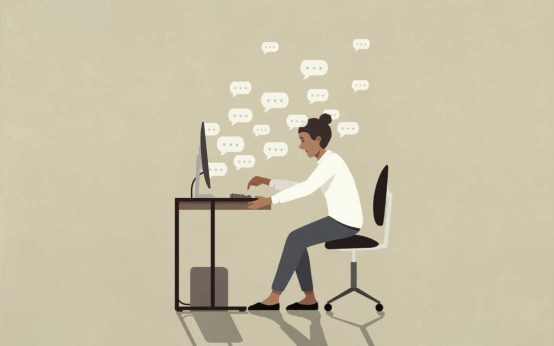 ChatGPT’s Trusted Contact Feature Aims to Support Users in Distress
  Minnesota Woman’s Battle with Ovarian Cancer: A Journey of Survival and Advocacy