
Cities have traditionally thrived due to their strategic locations near rivers, ports, or abundant natural resources. Moreover, these urban areas have also been shaped by their roles as capitals of empires and religious hubs, as well as homes to key institutions like universities, museums, and industry clusters. These factors have often contributed to significant economic growth and prosperity.
Over time, theories such as the Creative Class and Global City emerged, providing new explanations for urban success. However, these concepts have seen a decline in influence. We must understand why this shift happened and what future strategies need to offer.
Historical Foundations of Urban Growth
The initial growth of cities was largely driven by geographical advantages—such as proximity to waterways—which facilitated trade and transportation. This naturally attracted businesses and settlers.
Urban areas often evolved as power centers—whether serving as capitals or hosting significant religious sites. Furthermore, the establishment of institutions such as universities and museums contributed to cultural and intellectual growth.
Insights from the Creative Class and Global City Concepts
The Creative Class theory, popularized by theorists, suggested that cities prosper by attracting talent from fields like technology, arts, and academia. These individuals were thought to drive economic dynamism and innovation.
The Global City concept highlighted how certain cities serve as major nodes in the global economic network. Such cities were considered essential for transnational business operations and culture exchange.
Why These Concepts Lost Momentum
Despite initial popularity, both theories faced criticism and decreased relevance. Critics questioned the tangible benefits cities derived from focusing on attracting the creative class. Economic results sometimes fell short of expectations, leading cities to reconsider their strategies.
The Global City concept also stumbled. In some instances, globalization led to inequality, with city centers booming while surrounding areas lagged. This situation has prompted calls for a more balanced approach to development.
What the Future Should Deliver
Future strategies for urban development must prioritize inclusivity and sustainability. Economies should be diversified, expanding beyond singular focuses on creative or global industries. Supporting a broad range of sectors is crucial for resilience.
Urban policies should also emphasize equitable growth—benefiting all city regions and residents rather than concentrated areas. Infrastructure and resources should be distributed to ensure widespread prosperity.
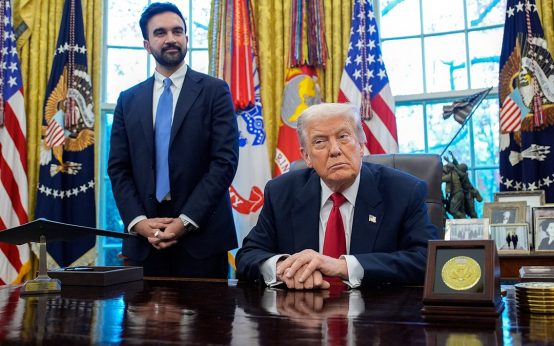 Trump and NYC Mayor Mamdani: Political Divides and Collaborative Efforts
  Rep. Jared Golden Endorses Mike Lawler for Reelection
 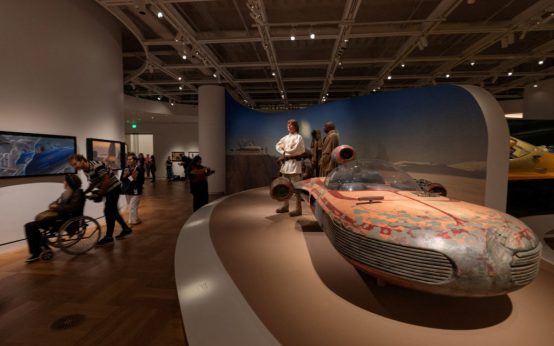 Lucas Museum of Narrative Art: A New Cultural Landmark
  Ukraine Deploys Ground Robots in ‘Operation Vivaldi’
  Seattle Protects Nonmonogamous Relationships from Discrimination
  Northlight Theatre’s ‘The Front Page’: A Satirical Nod to Chicago’s Journalistic Past