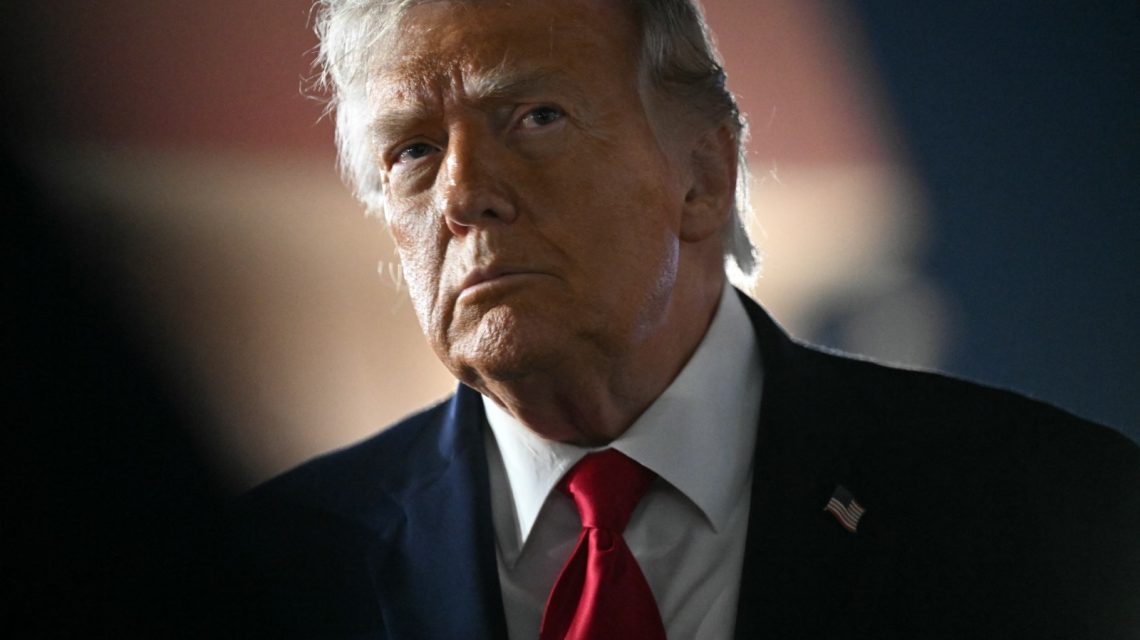
The New York Times has detailed a crisis inside President Donald Trump’s White House concerning the Epstein files. This report highlights the internal panic among top officials who engaged in secret meetings, worried about backlash from their political base while debating transparency strategies.
This report follows months of controversy from the government’s handling of Epstein-related files. Jeffrey Epstein, a sex offender and financier, died in a New York City jail in 2019 while awaiting trial for sex trafficking. In 2025, a Department of Justice memo found no ‘client list’ evidence, generating backlash among Trump’s supporters. Millions of pages were then released due to the Epstein Files Transparency Act.
Focus Shifts to Capitol Hill
Recently, congressional investigators have been re-examining Epstein’s connections. Notably, an assistant of Epstein testified to arranging contacts between Epstein and Trump, providing many names linked to Epstein.
Inside the Administration’s Response
The report outlines several key aspects of the administration’s handling of the crisis:
- Vice President JD Vance sounded the alarm, describing the fallout as a ‘huge problem’. Senior aides convened Situation Room meetings without Trump, highlighting the issue’s urgency.
- Officials discussed transparency moves, such as attempting to unseal grand jury records, knowing these efforts might not reveal new information.
- The administration’s fear centered on losing support from the MAGA base, rather than Democratic opposition.
- There were discussions about using Ghislaine Maxwell to defend Trump, despite her notoriety in the Epstein case.
White House spokesperson Abigail Jackson stated, “President Trump has been fully cleared concerning Epstein. He’s released extensive documents and worked with the House Oversight Committee, signed the Epstein Files Transparency Act, and called for investigation into Epstein’s Democratic links.”
Democratic Representative Melanie Stansbury, a House Oversight Committee member, labeled the report “stunning,” describing it as “Trump’s Watergate.”
Key Takeaways
- JD Vance’s Warning: Vance labeled the situation as a ‘huge problem,’ prompting senior officials to gather repeatedly in the Situation Room.
- High-Level Meetings: Situation Room meetings, often without Trump, underscored the gravity of the controversy.
- Transparency Considerations: Officials were aware that efforts to unseal records might not yield significant new information.
- Fear of Losing the Base: The main concern was backlash from Trump’s supporters, not from Democrats.
- Ghislaine Maxwell’s Potential Role: Discussions included having Maxwell assist in defending Trump, showcasing the administration’s desperation.
Continued Investigations
The House Oversight Committee continues to interview those linked to Epstein. Although millions of documents have been released, some remain sealed or redacted. As testimony progresses and legal limitations persist, scrutiny of the Epstein files is expected to continue.
 AFL Investigates Fairfax County Schools’ 9/11 Teaching Guidance
  Poll Reveals Voter Preferences Between Socialist Democrats and MAGA Republicans
  Challenges of Electing a Female President: Insights from ‘The View’
  Upcoming Concerns and Influence in Health Politics
  Rep. Donalds Distances Himself from Trump as Florida Governor Race Tightens
  Controversy Surrounds President Trump’s Proposed D.C. Arch