
The City of Philadelphia recently reported two possible measles exposures within a week. The latest incident occurred at Philadelphia International Airport.
Airport Exposure: The exposure at the airport took place from Sunday, September 13, at 7:45 p.m. to Monday, September 14, at 12:05 a.m. Specifically, it was at terminals B and F, along with connecting areas in terminals C, D, and E. The Philadelphia Department of Public Health noted that the person with measles was traveling through the city but did not leave the airport.
Health officials advise individuals who may have been exposed to verify their vaccination status and monitor for symptoms.
Hospital Exposure: The first exposure was reported on September 17 at the Children’s Hospital of Philadelphia (CHOP). The potential exposure at CHOP occurred on September 11 at various locations:
- CHOP NICU West: 9:30 a.m. to 4:15 p.m.
- CHOP NICU West Family Lounge: 9:30 a.m. to 4:15 p.m.
- CHOP Atrium: 9:30 a.m. to 4:15 p.m.
- CHOP Main Cafeteria: 12:05 p.m. – 2:45 p.m.
The Pennsylvania and Philadelphia health departments, along with CHOP, are collaborating to ensure that exposed infants receive preventative antibody treatments to mitigate severe illness and halt the spread of measles.
Health Commissioner Dr. Palak Raval-Nelson emphasized the importance of being up-to-date on vaccinations. She reassured that those fully vaccinated have little to worry about from the recent exposures.
Early measles symptoms include fever, cough, runny nose, and red, watery eyes, followed by a rash that starts at the head and spreads across the body.
Officials advise anyone exposed, especially those unvaccinated, unsure of their vaccination status, infants, pregnant individuals not immune, or immunocompromised persons, to swiftly contact their healthcare provider.
In August, Pennsylvania registered two measles-related deaths, the first in the state in 35 years. These cases were confirmed in unvaccinated individuals from Lancaster County.
The MMR vaccine is a potent shield, offering a 97% lifetime protection rate when administered in two doses.
Measles remains highly contagious, leading to potential fatalities in one to three patients per 1,000 instances. Complications can include pneumonia and brain swelling, with about 20% of measles cases leading to hospitalization.
The virus spreads through respiratory droplets from coughing, sneezing, or breathing and can remain infectious for up to two hours after exposure.
Anyone suspecting exposure should call ahead before visiting healthcare facilities to alert providers about the potential measles contact.
 Legal Challenges Arise Over GLP-1 Receptor Agonists and Vision Loss Risks
 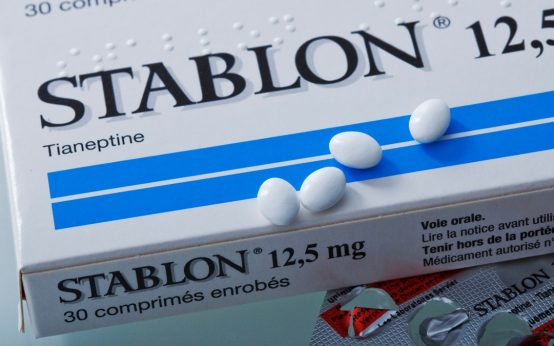 States Move to Restrict Tianeptine Amid Growing Concerns
  Potential Changes in Medicare Reimbursement for Lab Tests
  Understanding and Addressing the Complexity of Suicide
  Recall of Meat Products from Star Meat Delivery Inc.
  Questions Arise After Presley Gerber’s Death in Rehab