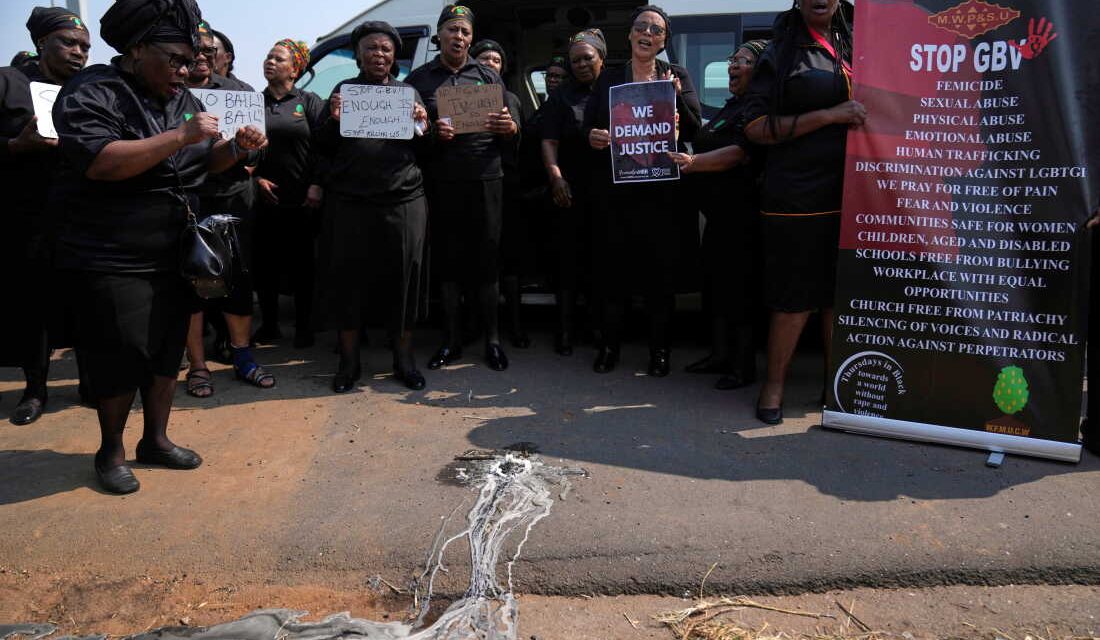
Members of a women’s church group stood solemnly next to a melted candle, honoring the site where a woman’s body was discovered in Kempton Park, South Africa, east of Johannesburg, on Thursday, September 17, 2026. Last week, Elizabeth Moselakgomo, a 38-year-old manager, mother, and avid runner, embarked on her usual afternoon jog near the Johannesburg airport but tragically never returned home. Her absence prompted her 8-year-old daughter to call relatives, who quickly alerted the police.
Five days later, Moselakgomo’s lifeless body was found, partially unclothed, and so severely beaten that her face was unrecognizable. This harrowing incident is part of a disturbing trend, as police report the discovery of nine slain women in the same area of South Africa’s largest city. Most victims endured sexual assault. The alarming statistics underscore a national crisis, with over 100 rape cases reported daily and approximately 15 women killed each day, according to police records.
In a country infamous for high levels of gender-based violence, the recent surge of murders has left South Africans outraged and fearful. Authorities are considering the possibility of a serial killer and have urged women to exercise vigilance and avoid walking or jogging alone. However, many South African women have taken to social media, criticizing the approach and demanding more proactive protection from the police rather than curbing their freedoms.
President Cyril Ramaphosa has vowed that “no stone will be left unturned” in the search for those responsible. Yet, there is widespread discontent among South Africans who feel the government has failed to adequately address gender-based violence and femicide, declared a national disaster in 2025. Amnesty International’s South Africa Director Shenilla Mohamed emphasized, “Women are tired of platitudes. We want to know what is going to be done to make women and children feel safe.”
“I can’t move freely,” lamented many South African women during protests in Kempton Park, the suburb where the crimes have predominantly occurred, as well as in Cape Town. A collective call for action is echoed across the nation, with running clubs organizing memorial runs for Moselakgomo and other victims. In Johannesburg, participants of all ages and races wore black, observing a moment of silence before commencing their run.
Shari Maluluke, a 26-year-old runner, expressed her frustration, stating, “Gender-based violence, particularly femicide, is such a big issue in South Africa. As a woman, you can’t do anything alone. It just makes me angry that I can’t move freely, my whole country feels like a prison.” Others, like 31-year-old Didi Tsitsi, discussed the continuous safety precautions women must adopt, such as sharing locations and Uber details.
Exploring the root causes, Tsitsi cited governmental and policing failures, along with deep-rooted societal issues regarding masculinity and its perceived roles. The legacy of apartheid may play a role, as academic research suggests that years of oppressive rule have led to a crisis of masculinity and entrenched patriarchal attitudes.
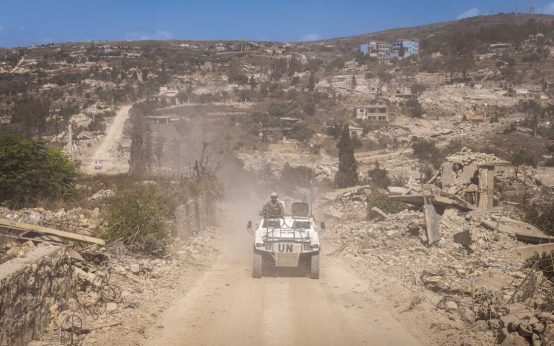 UNIFIL Operations in Southern Lebanon Amidst Ceasefire Challenges
 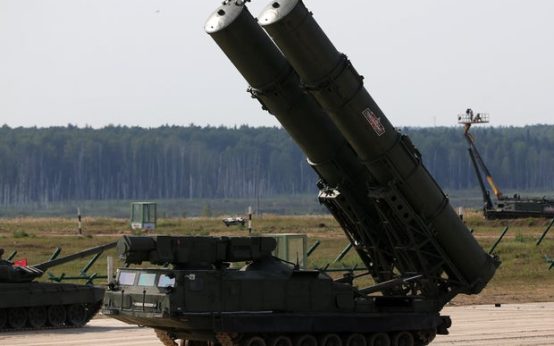 U.S. Approves $2.68 Billion Air Defense Equipment Sale to Ukraine Amid Rising Tensions
 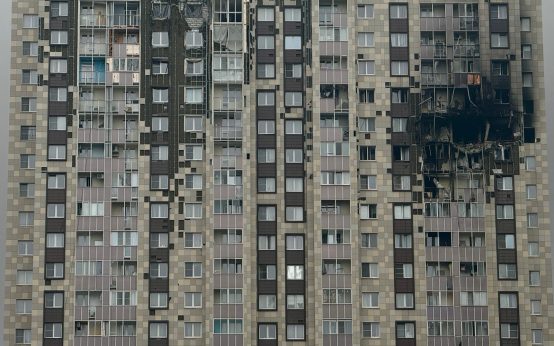 Ukraine’s Drone Assault on Moscow Amidst Political Tensions
 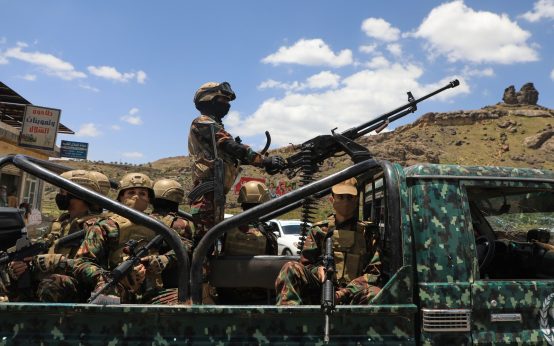 Iran’s Influence in Yemen Through the Houthis and its Global Impact
 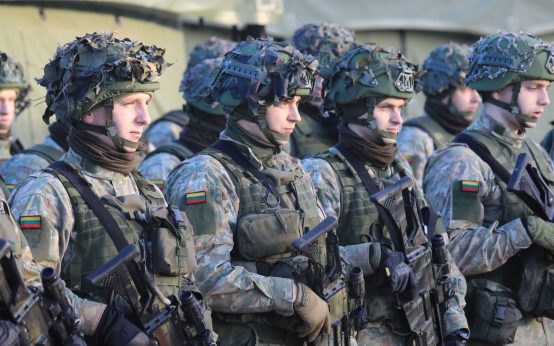 Lithuania’s Evacuation Plan Amid Growing Tensions
 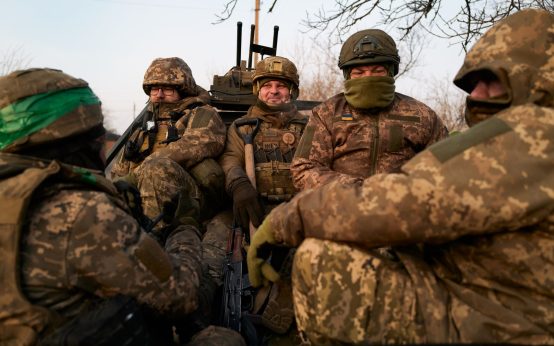 Ukraine’s Strategic Moves in Donetsk: Operation Vivaldi