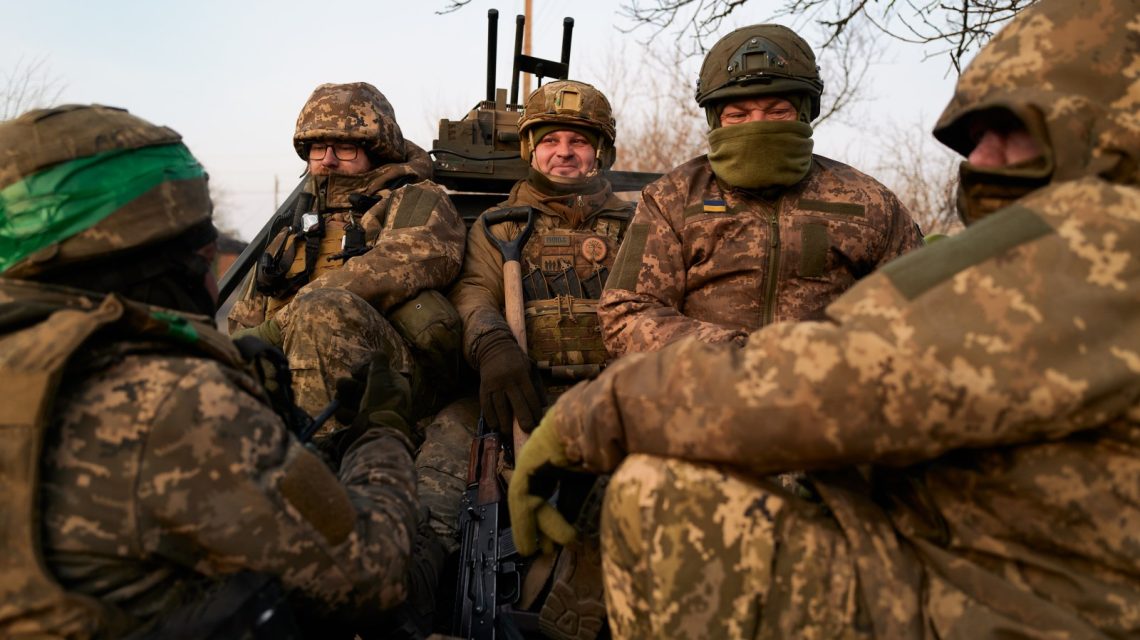
Ukrainian forces have made significant strides in their counteroffensive in the Donetsk region by strategically misleading Russia’s military leadership. A Ukrainian commander stated that this approach involved maintaining silence about their advancements. Reports highlighted Ukraine’s progress against the Russian position north of Lyman in Donetsk Oblast, but officials in Kyiv confirmed these developments only recently.
Role of Operation Vivaldi
Major Maksym Zhorin, deputy commander of Ukraine’s 3rd Army Corps, explained that Operation Vivaldi played a crucial role in halting Russia’s attempts to encircle the so-called ‘Fortress Belt.’ This area consists of fortified cities and defensive positions in Donetsk, critical for Ukraine’s defense of the eastern Donbas region. The region remains a primary target for Russian President Vladimir Putin. According to military analyst Giorgi Revishvili, maintaining informational silence and tight operational security is essential, particularly as the war increasingly involves intelligence, surveillance, and drone technology.
Achievements of Operation Vivaldi
Brigadier General Andrii Biletskyi, overseeing Ukraine’s 3rd Army Corps, revealed that Russian forces had aimed to converge northern and southern pincers in Barvinkove in the Kharkiv Oblast. Their goal was to seize the entire Donetsk Oblast. However, Biletskyi’s forces thwarted Russia’s plan to encircle the Fortress Belt through strategic locations like Lyman and Sviatohirsk in the north and Dobropillya in the south. This success largely hinged on the element of surprise. Using operational security and counter-drone operations, Ukrainian forces disrupted Russian situational awareness, noted Zhorin.
Maintaining Secrecy on the Battlefield
Ukrainian forces effectively kept their moves hidden through a ‘protective drone’ system, consisting of electronic warfare measures. This system neutralized approximately 20,000 Russian drones, Zhorin told the Ukrainian outlet Suspilne. The element of surprise was capitalized upon during the Oleksandrivka counteroffensive in spring. By executing flag-raising missions at safe distances, Ukraine concealed their true positions, said Revishvili from Substack Russia Analyzed.
In contrast, Russian forces exhibit a culture that thrives on misinformation and misleading superiors. Such practices are intended to secure favorable treatment and avoid negative repercussions, according to Revishvili.
Drone Capabilities Favor Ukraine
Ukraine’s 3rd Army Corps noted improvements in their drone capabilities, following an intermediate-range strike campaign in Luhansk. This campaign weakened Russian fuel supplies, hampering their ability to employ drones and electronic warfare. These advancements provided Ukraine with a strategic edge, particularly useful for mechanized movements in the Lyman direction. Revishvili acknowledged Ukraine’s careful planning and actions to suppress Russian firing positions and unmanned systems. These efforts, coupled with suitable weather, enabled Ukrainian advances in areas such as Serednie.
The Institute for the Study of War, a Washington, D.C.-based think tank, remarked on both Ukrainian and Russian attempts to reintroduce limited mechanized maneuvers at the tactical level. Despite both sides’ intentions, Kyiv’s methods have proved to be more effective. Revishvili confirmed, “The operation illustrates that with precise planning and execution, maneuver warfare is still feasible on drone-intensive battlefields.”
 Federal Appeals Court Decision Against Trump’s ‘Third-Country’ Deportation Policy
  Ed Sheeran’s Philadelphia Concert Amid Controversy
 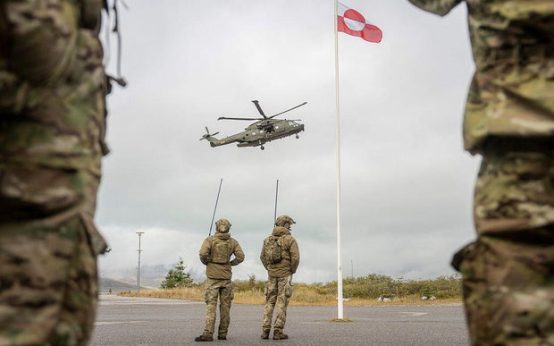 U.S. Secures Strategic Control Over Greenland
  U.S. Security Agreement in Greenland Sparks Optimism and Concerns
  Impact of Gender-Based Violence in South Africa
  UNIFIL Operations in Southern Lebanon Amidst Ceasefire Challenges