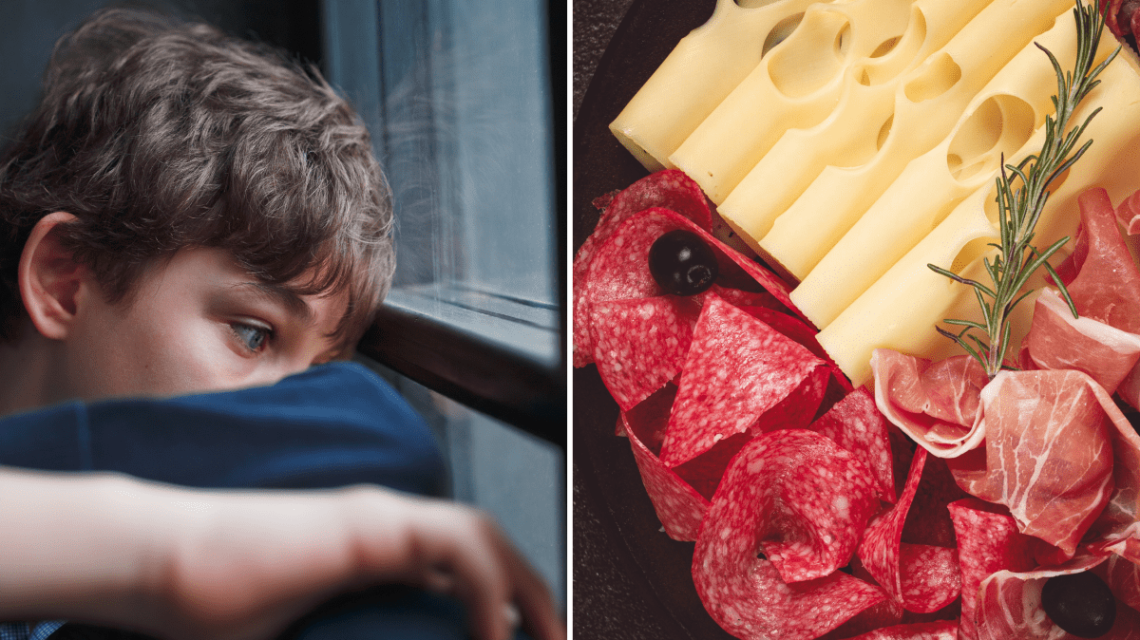
Reducing your consumption of ultra-processed foods might greatly benefit your mental health, according to research from the University of California San Francisco. Published in JAMA Psychiatry on September 23, the study highlights potential improvements in depression and slight enhancements in anxiety by cutting back on these foods.
Understanding Ultra-Processed Foods
Ultra-processed foods contain ingredients not usually found in a home kitchen. These include chemical-based preservatives, emulsifiers like hydrogenated oils, sweeteners such as high fructose corn syrup, and artificial colors and flavors. Examples are sodas, prepackaged snacks like chips, cookies, crackers, candy, boxed macaroni and cheese, and ready-to-eat meals.
The Study’s Approach
This research is reportedly the first to directly compare depression symptoms in individuals before and after they reduced ultra-processed food intake. Involving 20 participants, the study sought to explore how changing diets could affect mental health.
Dr. Andrew Krystal, who oversees the research, noted the correlation between high ultra-processed food consumption and an increased risk of depression. The study aimed to explore the methods of reducing ultra-processed foods and their effects, despite being preliminary with a small sample size.
Dr. Uma Naidoo, a Nutritional and Metabolic Psychiatry expert, indicated that this initial research suggests reducing these foods is safe and may enhance mood. She stressed the need for more extensive studies.
Key Findings
Participants lowering their ultra-processed food intake by 85 percent showed marked mental health improvements across three depression measures. The Montgomery-Asberg Depression Rating Scale showed a 63 percent drop in depression scores. Other measures, the Patient Health Questionnaire-9 and the Quick Inventory of Depressive Symptomatology, both showed a 60 percent score reduction.
Dr. Nicole Avena, a Neuroscience Professor, explained the findings fit into a growing research body linking ultra-processed foods with poor mental health outcomes. She emphasized the data indicate an association rather than causation.
Impact of Ultra-Processed Foods
The exact influence of ultra-processed foods on mental health remains unclear. Dr. Krystal suggested possibilities like high macronutrient content or effects of additives used in processing. Nicole Avena provided insight into how these engineered foods impact the brain’s reward system, leading to overeating and mood challenges. Further, these foods can cause blood sugar swings affecting energy and mood.
Diets rich in ultra-processed foods could trigger chronic low-grade inflammation linked to depression. Additionally, they may disturb the gut microbiome, impacting mood due to direct gut-brain communication.
Moving Forward
To reduce ultra-processed food intake, perfection isn’t required. Simple swaps, like home cooking and opting for minimally processed foods, can make a difference. Alyssa Moran, a food policy expert, mentioned that cooking supportive meals for those with depression can be beneficial, acknowledging the challenges these foods pose due to their appealing nature.
Addressing mental health should include dietary considerations alongside therapy and medication. Dr. Avena emphasized the necessity for policy changes such as clear labeling and better access to affordable whole foods. Dr. Naidoo pointed out the urgent need for public education on dietary guidelines, stressing ultra-processed foods should be limited to minor dietary components.
Chagwedera DN, Kim E, Chiu DT, et al. (2026) Reducing Ultraprocessed Foods From the Diets of Patients With Depression: A Pilot Crossover Trial. JAMA Psychiatry. doi:10.1001/jamapsychiatry.2026.2320
 Link Between Ultra-Processed Foods and Chronic Disease Risks
  Senate Democrats Question if Kennedy Struck Deal in Vaccine Lawsuit
  Understanding Menopausal Brain Fog: Hormonal Shifts and Memory
  Concerns Over Kratom’s Health Risks Following Student Deaths
  Impending Changes to SNAP and Medicaid: Impact and Reactions
  Family Files Lawsuit Following Tierra Walker’s Death Due to Preeclampsia